
In recent years, the conversation around menstrual products has evolved significantly. An expert in sustainable hygiene solutions, Dr. Emily Carter, notes, "Plastic Free Sanitary Pads not only benefit the environment but also enhance women’s health." This statement highlights the need for alternatives to traditional sanitary products that often contain harmful plastics.
Plastic Free Sanitary Pads offer numerous advantages for those aiming to live sustainably. They reduce environmental waste and promote healthier choices for menstruators. Conventional pads contribute to landfills and pose risks to our health due to synthetic materials. By choosing plastic-free options, consumers can embrace eco-friendly practices while caring for their bodies.
Moreover, the transition to plastic-free options may seem challenging. There are few brands available, and awareness is still growing. However, as more people recognize the benefits, the demand will rise. It's essential to reflect on our choices. Are we prioritizing convenience over sustainability? The journey to a healthier planet starts with informed decisions.

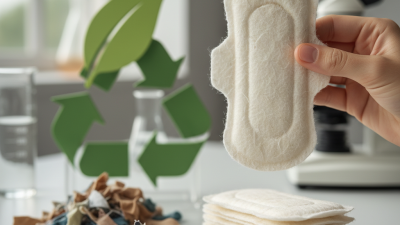
Plastic-free sanitary pads are gaining attention as a sustainable alternative. They are biodegradable and made from natural materials. Studies show that traditional pads can take up to 500 years to decompose. This long timeline contributes to landfill issues and environmental pollution. Switching to plastic-free options can significantly reduce waste and promote sustainability.
Many women embrace plastic-free pads for their health benefits. These products often contain fewer chemicals and irritants. Research indicates that conventional pads may lead to skin irritations or allergies. In contrast, natural materials are gentler on the body. This shift can encourage safer periods and improved comfort.
Tips for making the switch: Start by trying different types of plastic-free pads. Look for certifications like organic cotton. Invest in reusable options to further decrease waste. Remember, transitioning may take time. Reflect on what works best for your body and lifestyle. Embrace this change to contribute to a greener future.
| Benefit | Description | Environmental Impact | Health Benefits |
|---|---|---|---|
| Reduced Waste | Plastic-free sanitary pads significantly reduce landfill waste due to their biodegradable materials. | Helps in reducing plastic pollution. | Eliminates exposure to chemicals found in traditional plastic pads. |
| Sustainable Materials | Made from natural fibers like cotton, bamboo, or hemp, which are renewable resources. | Promotes the use of biodegradable resources over petrochemical products. | Less risk of skin irritation compared to synthetic materials. |
| Cost-Effective | While initial costs may be higher, they last longer and can be reused, saving money in the long term. | Encourages investment in sustainable products. | Fewer changes required, reducing chances for leaks and discomfort. |
| Comfort and Breathability | Natural materials provide more comfort and allow for better air circulation. | Promotes a healthier vaginal environment. | Minimized risk of infections compared to traditional pads. |
| Support Local Economies | Many plastic-free products are made by local artisans and businesses, fostering local economies. | Encourages sustainability in local production practices. | Supports businesses focused on health and environmental responsibility. |
Conventional sanitary products create significant environmental challenges. Most pads and tampons contain plastic materials that prevent biodegradation. These products can take up to 800 years to decompose. As a result, landfills fill up with non-biodegradable waste every year. This ongoing problem contributes to pollution in our ecosystems.
Moreover, the production of conventional sanitary products involves harmful chemicals. These chemicals can leach into soil and waterways, affecting wildlife and human health. Using plastic-free sanitary pads reduces this risk. In addition, these pads often use organic materials, which can break down naturally after use.
Switching to sustainable options is a personal choice that can drive positive change. Many believe the convenience of traditional products outweighs their ecological footprint. However, the benefits of plastic-free alternatives are clear. They protect the environment, promote better health, and align with a sustainable lifestyle. Thoughtful choices can lead to a healthier planet for future generations.
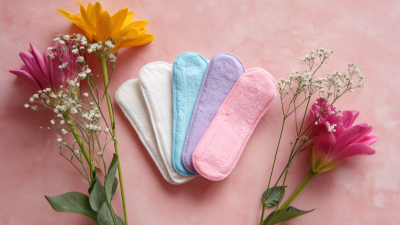
Plastic-free sanitary pads offer numerous health benefits, making them a wise choice for many. These pads are typically made from organic materials, such as cotton, bamboo, or hemp. They contain no harmful chemicals, unlike traditional options. Women using plastic-free pads often report fewer skin irritations. Chemical additives in conventional products can lead to rashes and discomfort.
Moreover, plastic-free sanitary pads are breathable. This helps to maintain a healthy pH level in the vaginal area. A balanced pH can reduce the risk of infections. Many women experience an increased sense of comfort throughout their menstrual cycle. The gentle materials used in these pads can be more forgiving for sensitive skin.
Choosing plastic-free options can also encourage mindfulness. It prompts consumers to consider their impact on the environment. Reflecting on these choices can lead to greater awareness of personal health and sustainability. Yet, some may find transitioning challenging. It can take time to adjust to new products. Exploring different materials may help identify what works best for individual needs.
Switching to plastic-free sanitary pads offers notable economic advantages. Traditional sanitary products can be costly, not only in terms of purchase but also in their environmental impact. Many users overlook the hidden costs associated with plastic waste. Landfills overflow, creating long-term economic burdens for communities. By choosing sustainable hygiene products, individuals can reduce these external costs.
Investing in reusable, plastic-free options may require a higher upfront cost. However, over time, these products lead to significant savings. For instance, many reusable pads can last for years, lowering monthly expenses. Additionally, fewer purchases mean less time spent shopping and less stress about running out. This shift also fosters a sense of community as more people engage in sustainable practices.
Despite these benefits, some hesitate to make the switch. Old habits die hard, and the fear of change is real. Switching requires thoughtful consideration of individual needs and preferences. Recognizing these challenges is essential for fostering a conversation around sustainable hygiene. The road to a plastic-free period experience may require adjustments, but embracing these changes can lead to financial and environmental benefits over time.
The push for plastic-free sanitary pads aligns with a growing social awareness around environmental issues. Many women are realizing the negative impact of traditional products on our planet. A significant percentage of monthly waste comes from single-use pads. These products often contain plastics that take hundreds of years to decompose.
Advocacy efforts highlight the need for sustainable alternatives. Community programs educate individuals about the benefits of plastic-free options. Workshops teach women how to make their own pads from natural materials. These initiatives empower consumers to make informed choices. It’s crucial to engage in conversations about menstrual health. Sharing experiences fosters a sense of community and responsibility.
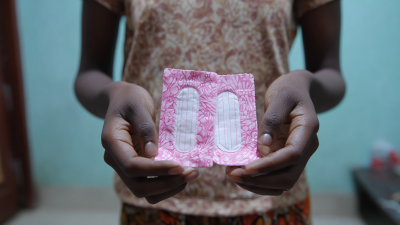
However, the journey isn't perfect. Awareness is growing, but access remains a hurdle. Not all regions have resources for eco-friendly options. Some may feel reluctant to change due to misconceptions. Addressing these challenges requires ongoing dialogue and support. Embracing change is a collective effort, and every step counts toward a sustainable future.
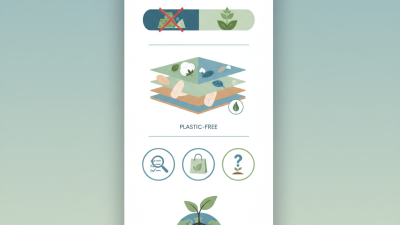
The following chart illustrates the benefits of using plastic-free sanitary pads, highlighting their positive impacts on health, environment, and market demand for sustainable alternatives.