Top 5 Benefits of Using Recycled PSF Fiber in Industries?
In recent years, industries have increasingly turned to sustainable materials to reduce environmental impact. One standout option is Recycled PSF Fiber. This innovative material is gaining recognition for its versatility and eco-friendliness. Made from post-consumer plastic bottles, Recycled PSF Fiber offers a range of benefits that can significantly improve production processes.
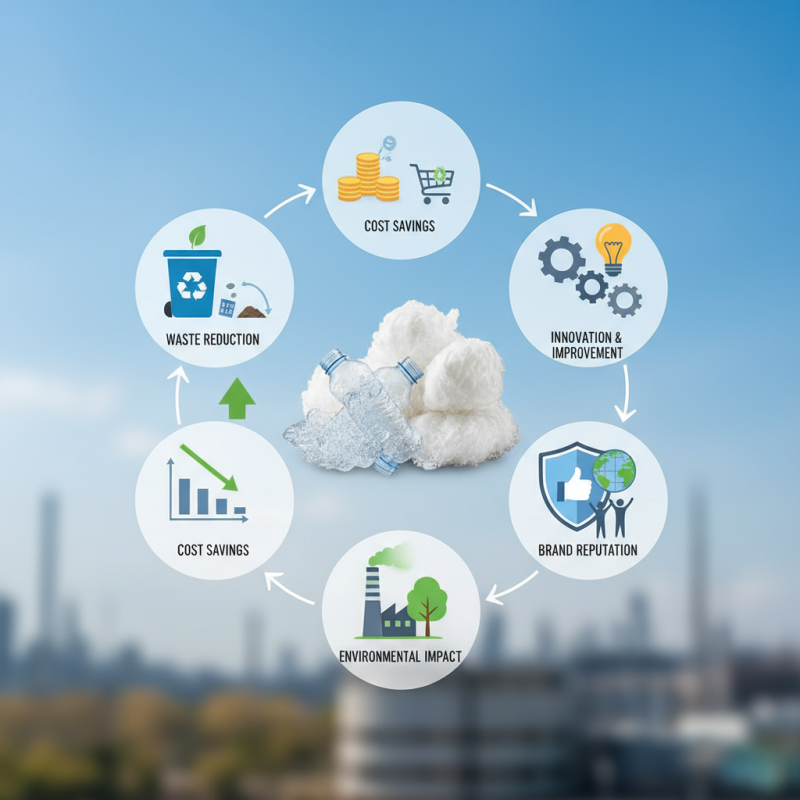
The first major advantage is its contribution to waste reduction. By utilizing recycled materials, companies can help decrease landfill waste. This is an important step toward a more sustainable future. Another benefit is cost savings. Recycled PSF Fiber often costs less than virgin fibers, making it an economical choice for manufacturers. Despite its advantages, some challenges exist. Not all recycled fibers offer the same quality, which requires careful selection.
Moreover, adopting Recycled PSF Fiber can boost a company's reputation. Consumers increasingly favor brands that demonstrate environmental responsibility. That said, businesses must remain transparent about their practices. Overall, the integration of Recycled PSF Fiber presents opportunities for innovation and improvement within various industries.
Benefits of Recycled PSF Fiber in Environmental Sustainability
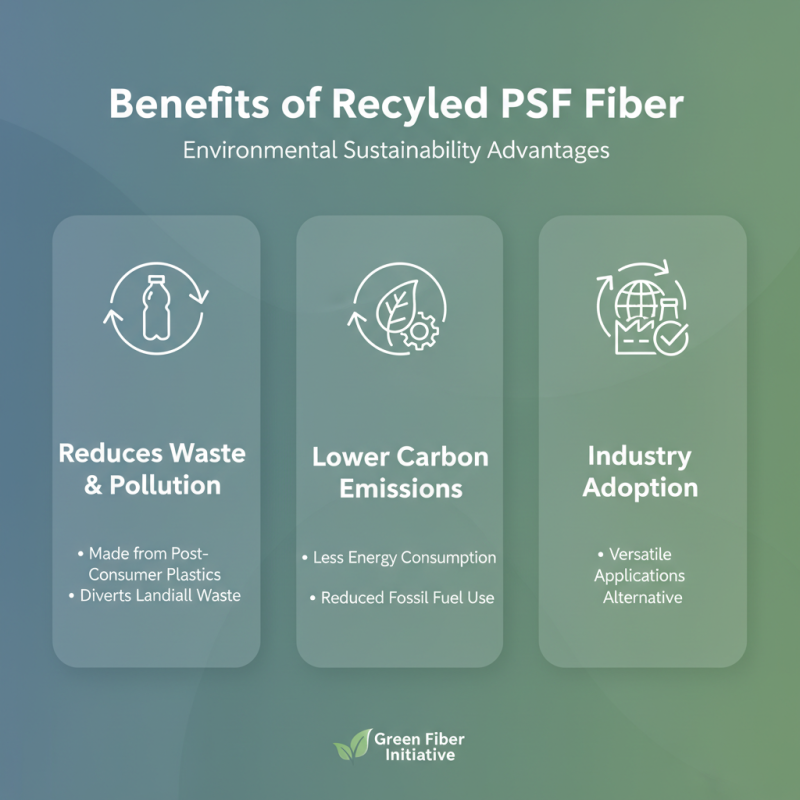
Recycled PSF fiber is becoming a key player in promoting environmental sustainability. This innovative material is made from post-consumer plastics, reducing waste and pollution. Its production process consumes less energy than virgin fibers, leading to lower carbon emissions. Many industries are now recognizing the advantages of integrating this eco-friendly option into their operations.
Using recycled PSF fiber helps divert plastics from landfills and oceans. Every kilogram of recycled fiber can prevent significant plastic waste, contributing to a cleaner planet. Additionally, the durability of recycled PSF fiber ensures that products made from it last longer, reducing the need for frequent replacements.
However, challenges still exist. Quality control can be inconsistent, and some industries remain reluctant to adopt it. Education about its benefits is essential. More efforts are needed to bridge the gap between eco-consciousness and practicality. Stakeholders must work together to refine processes and improve recycled PSF fiber’s overall reliability.
Cost-Effectiveness of Recycled PSF Fiber for Industries
Recycled PSF fiber offers substantial cost-effectiveness for various industries. Manufacturers are constantly seeking ways to reduce expenses while maintaining quality. Using recycled PSF fiber can significantly lower production costs. This cost reduction comes from the savings on raw materials. Industries that switch to recycled fibers often notice a more balanced budget.
Additionally, employing recycled PSF fiber minimizes waste. It repurposes materials that would otherwise end up in landfills. This process not only cuts costs but promotes sustainability. Companies can market themselves as eco-friendly, which can attract more customers. However, transitioning to recycled fibers may involve some challenges.
Quality control is vital when using recycled materials. Manufacturers need to ensure their products meet industry standards. There can be variations in fiber quality. This can lead to inconsistencies in the final products. Some industries might hesitate at first, fearing these potential issues. Careful consideration and testing are necessary for a successful transition to recycled PSF fiber.
Enhanced Performance Characteristics of Recycled PSF Fiber
Recycled Polyester Staple Fiber (PSF) is gaining traction across various industries. Its enhanced performance characteristics make it a compelling choice for manufacturers seeking efficiency and sustainability. According to a report by the International Textile Manufacturers Federation, the use of recycled fibers can reduce energy consumption by up to 60% compared to virgin fibers. This significant reduction highlights the importance of integrating recycled materials into production processes.
The mechanical strength of recycled PSF fiber has improved over time. Research from the Fiber Society indicates that recycled PSF can achieve tensile strengths comparable to new fibers. This characteristic ensures that products made from recycled PSF maintain durability and resilience. Additionally, recycled PSF fibers are often lighter, contributing to reduced product weights. This can lead to lower transportation costs and reduced carbon footprints, a crucial factor for environmentally conscious businesses.
However, there are challenges in standardization and quality control. Variability in the recycling process may lead to inconsistent fiber quality. Some manufacturers report that achieving uniformity requires additional adjustments during production. Striking a balance between utilizing recycled materials and ensuring high performance remains an ongoing task for the industry. As the demand for sustainable options rises, addressing these imperfections will be vital for future advancements in recycled PSF fiber applications.
Versatility of Recycled PSF Fiber Across Various Applications
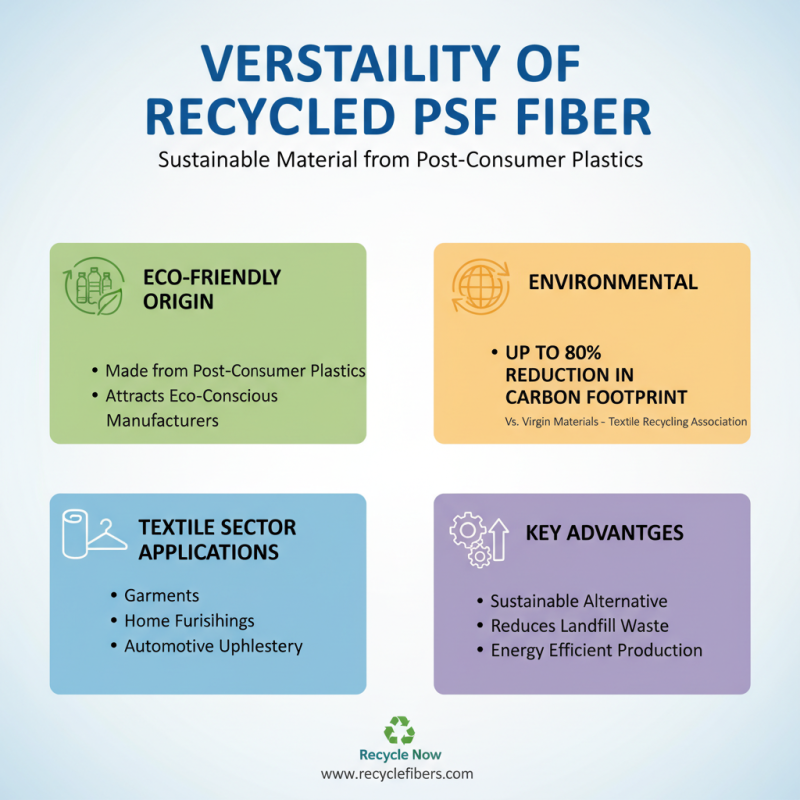
Recycled Polyester Staple Fiber (PSF) has gained attention for its versatility in various industries. This sustainable material is created from post-consumer plastics, a process that attracts eco-conscious manufacturers. In the textile sector, recycled PSF is used in garments, home furnishings, and automotive upholstery, among others. According to the Textile Recycling Association, the use of recycled fibers can reduce the carbon footprint by up to 80% compared to virgin materials.
In the construction industry, recycled PSF serves multiple roles. It's incorporated into insulation products, providing energy efficiency. A report by the U.S. Green Building Council highlights that recycled materials in building components enhance sustainability while maintaining structural integrity. This versatility is crucial, yet challenges remain. Not all applications utilize recycled PSF to its full potential. The quality can differ based on recycling methods.
Moreover, the performance of recycled PSF in specific applications may vary. Some manufacturers report issues with color fastness and durability compared to virgin fibers. This raises questions about the reliability of recycled outputs. Industries must critically assess these factors as they embrace sustainable alternatives. Balancing innovation and quality remains a challenge, yet the potential benefits of recycled PSF cannot be overlooked.
Impact of Recycled PSF Fiber on Waste Reduction and Circular Economy
Recycled PSF fiber plays a significant role in promoting waste reduction and fostering a circular economy. As industries strive to minimize their environmental footprint, this material provides a sustainable alternative to virgin fibers. By using recycled PSF, manufacturers can divert waste from landfills and reduce the demand for new resources. This shift not only lowers production costs but also supports a more sustainable future.
The impact of recycled PSF fiber extends beyond immediate waste reduction. It encourages a circular economy where products and materials are reused and repurposed. Companies embracing this approach can appeal to environmentally conscious consumers. Transparency in sourcing and the use of recycled materials also build trust. However, the supply chain for recycled PSF is not without challenges. Quality control can be inconsistent, leading to variability in products. Addressing these issues requires collaboration and innovation across industries.
Manufacturers need to educate themselves on the benefits and challenges of recycled fibers. Understanding these dynamics ensures that companies can implement best practices effectively. Collaboration among stakeholders can enhance the overall quality of recycled materials. This collective effort is essential for making recycled PSF fiber a cornerstone of sustainable manufacturing.