Top 10 Benefits of Using Sustainable Sanitary Pads?
In recent years, the demand for sustainable sanitary pads has risen significantly. According to a report by Grand View Research, the global feminine hygiene market is projected to reach over USD 40 billion by 2027. This growth reflects a shift towards eco-friendly products. Many consumers are becoming increasingly aware of the environmental impact of conventional sanitary products.
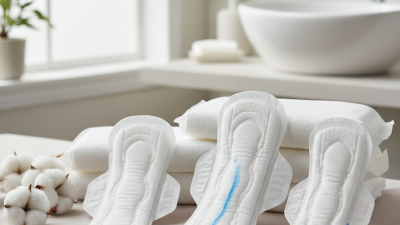
Sustainable sanitary pads offer several benefits, from reducing waste to promoting better health. Traditional pads contain plastics that can take hundreds of years to decompose. In contrast, sustainable options are often biodegradable, helping to lessen the burden on landfills. Moreover, many brands use organic materials that reduce exposure to harmful chemicals.
Adopting sustainable sanitary pads is not just a personal choice. It is a step towards a more sustainable future. However, consumers must critically assess product claims. Not all brands are fully transparent about their manufacturing processes. This highlights the need for informed choices in a market that is rapidly evolving.
Overview of Sustainable Sanitary Pads and Their Importance
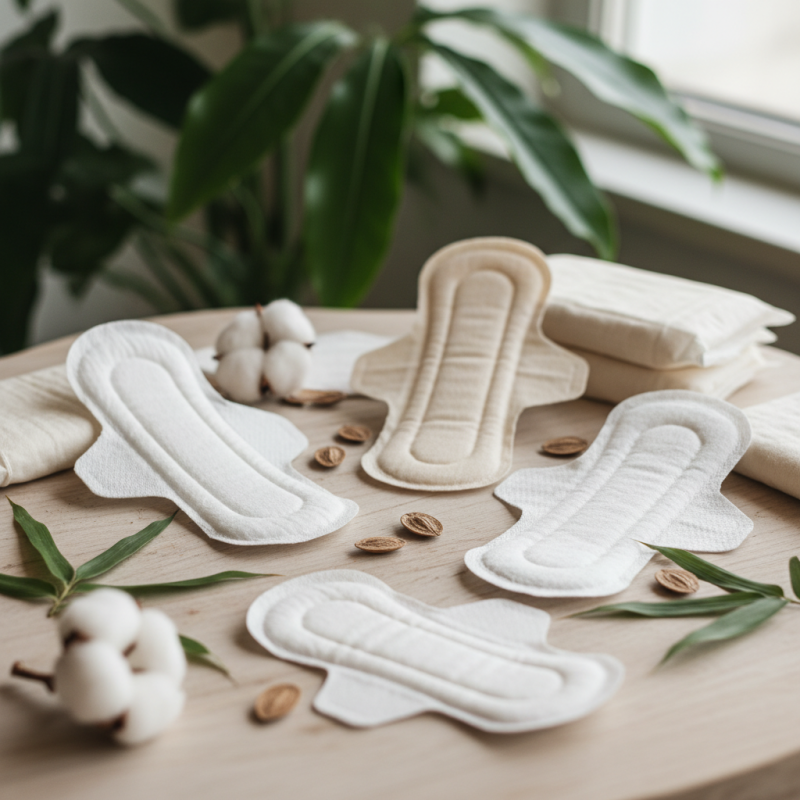
Sustainable sanitary pads are increasingly recognized for their advantages. They are designed to reduce environmental impact while ensuring comfort and safety. Traditional pads often contribute to landfill waste, taking years to decompose. In contrast, sustainable options are biodegradable or reusable, making them a responsible choice for menstruators.
Using sustainable sanitary pads can help minimize negative impacts on our health and the planet. Many of these pads are made from organic materials, free from harmful chemicals. This shift is essential for those concerned about skin irritation or health risks. Choosing products with natural ingredients not only protects our bodies but also honors Mother Nature.
Tips for transitioning to sustainable pads include trying different materials to find what works best for you. Consider testing a few brands to gauge comfort levels. Ensure you wash and care for reusable pads correctly to extend their lifespan. By making informed choices, you contribute to a healthier planet. Remember, every small step matters.
Environmental Benefits of Switching to Sustainable Sanitary Pads
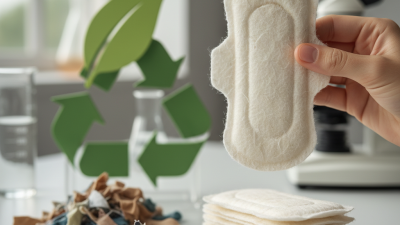
Switching to sustainable sanitary pads offers significant environmental benefits. Traditional pads often contain plastics, leading to long-lasting waste in landfills. Each pad can take hundreds of years to decompose. In contrast, sustainable options use biodegradable materials. These pads break down naturally, reducing pollution and conserving natural resources.
Moreover, sustainable sanitary pads can minimize water use in their production. Conventional pads require considerable water for manufacturing. Adopting eco-friendly alternatives can lessen the strain on our water supply. Yet, many consumers hesitate to make the switch. They may fear that sustainable products won’t perform as well. Addressing these concerns is vital for broader acceptance.
Choosing sustainable options contributes to a healthier planet. It’s a step toward reducing our carbon footprint. However, awareness and education about these products are still limited. More discussions are needed to emphasize their benefits. People should reflect on their choices and consider the long-term impact on our environment.
Health Advantages of Using Eco-Friendly Sanitary Products
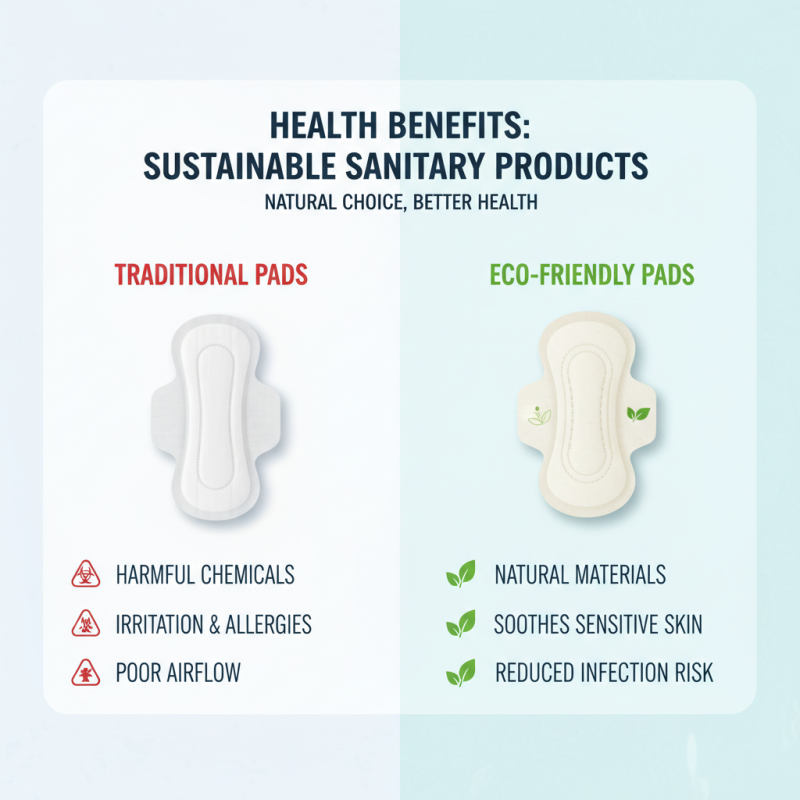
Using eco-friendly sanitary products can offer significant health advantages. Traditional pads often contain harmful chemicals. These chemicals can lead to irritations and allergic reactions. Sustainable pads, made from natural materials, avoid these issues. They allow for better airflow and reduce the risk of infections. This is especially beneficial for those with sensitive skin.
Tip: Always check the ingredients in your sanitary products. Look for cotton or bamboo fibers, which are gentler on skin.
Switching to sustainable options also minimizes exposure to synthetic materials. Polypropylene and other plastics can disrupt hormonal balance in some women. By choosing biodegradable pads, you may experience a healthier menstrual cycle. Additionally, these products are better for the environment, reducing long-term waste.
Tip: Experiment with different materials until you find what’s comfortable. Listen to your body; each choice impacts your health and well-being. Remember, there’s no one-size-fits-all approach here.
Economic Aspects of Sustainable Sanitary Pad Usage
Sustainable sanitary pads offer compelling economic advantages. While the initial investment may seem higher, they prove to be cost-effective in the long run. Traditional disposable pads contribute to significant waste. This piles up costs not just for consumers, but for the environment too. Choosing a sustainable option can reduce ongoing expenses related to monthly purchases.
Many individuals might overlook the savings associated with reusable pads. They can last for several years. This means fewer trips to the store and less money spent over time. Additionally, sustainable pads often prioritize local materials and production. This helps support local economies. When communities invest in sustainable practices, they create jobs and stimulate growth. However, not everyone has access to these resources, leading to disparities.
Changing perceptions is another challenge. Some people may still associate sustainable options with inconvenience. It requires a shift in mindset. Education plays a crucial role in overcoming these barriers. By raising awareness, communities can embrace these economic benefits. It's essential to quantify the impact of these choices on individual finances and the broader economy.
Social Impact: Promoting Awareness and Reducing Stigma
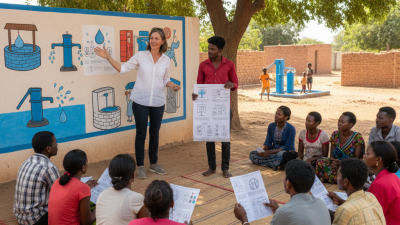
Sustainable sanitary pads have a vital role in promoting awareness around menstrual health. Women using eco-friendly products often share genuine experiences. These stories humanize menstruation, breaking the silence surrounding it. With open conversations, stigma decreases. More people recognize menstrual health as part of general health.
Many communities still view menstruation negatively. Social media campaigns highlight misconceptions and encourage sharing personal narratives. When women openly discuss their experiences, it fosters understanding. Schools and workplaces can benefit from this shift. It creates an informing environment where menstrual health is normalized.
However, challenges remain. Some cultures remain resistant to change. Education efforts must be ongoing. We need to address the gaps in knowledge about sustainable options. Ultimately, creating spaces for discussion helps destigmatize menstruation. Awareness can lead to better acceptance and social change.