What is the Best Menstrual Materials for Global Buyers?
When considering the best menstrual materials for global buyers, it’s essential to explore trustworthy options. The market is filled with various products, but not all are created equal. Menstrual materials come in many forms, from disposable pads to menstrual cups and reusable cloth pads. Each option offers unique benefits and challenges.
Modern consumers seek reliable solutions that align with personal needs and environmental concerns. As awareness around sustainability grows, many buyers opt for eco-friendly menstrual materials. This shift highlights the importance of understanding materials' life cycles and their environmental impact. Some products may promise comfort but fail in performance or sustainability.
Additionally, safety and quality remain critical factors. Many manufacturers promote their materials based on anecdotal evidence. Potential buyers should look for certifications or scientific backing. Reflecting on these considerations can help individuals make informed decisions about menstrual materials.
Understanding Menstrual Materials: An Overview for Global Buyers
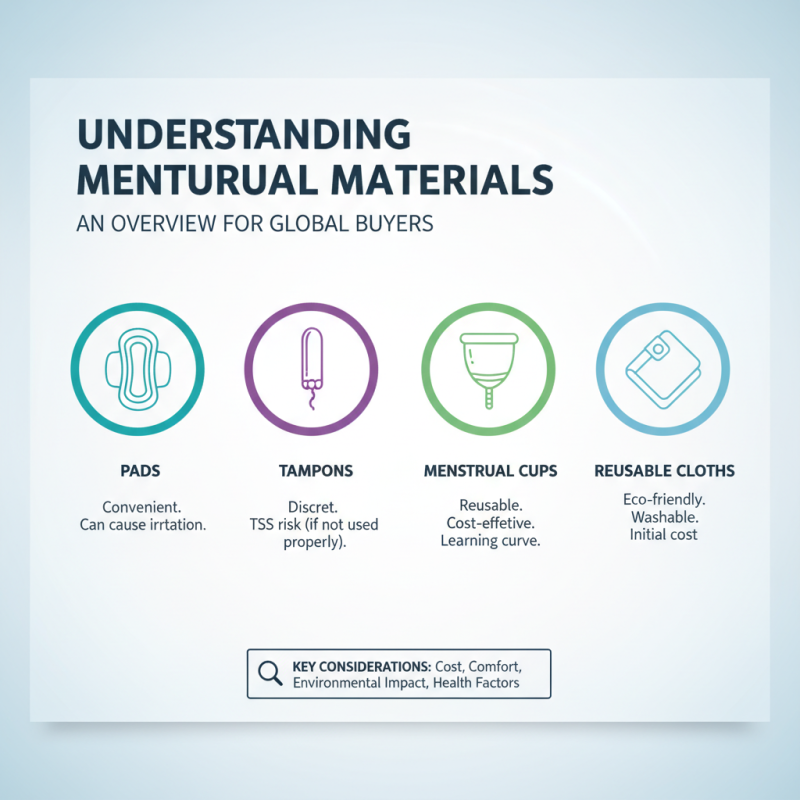
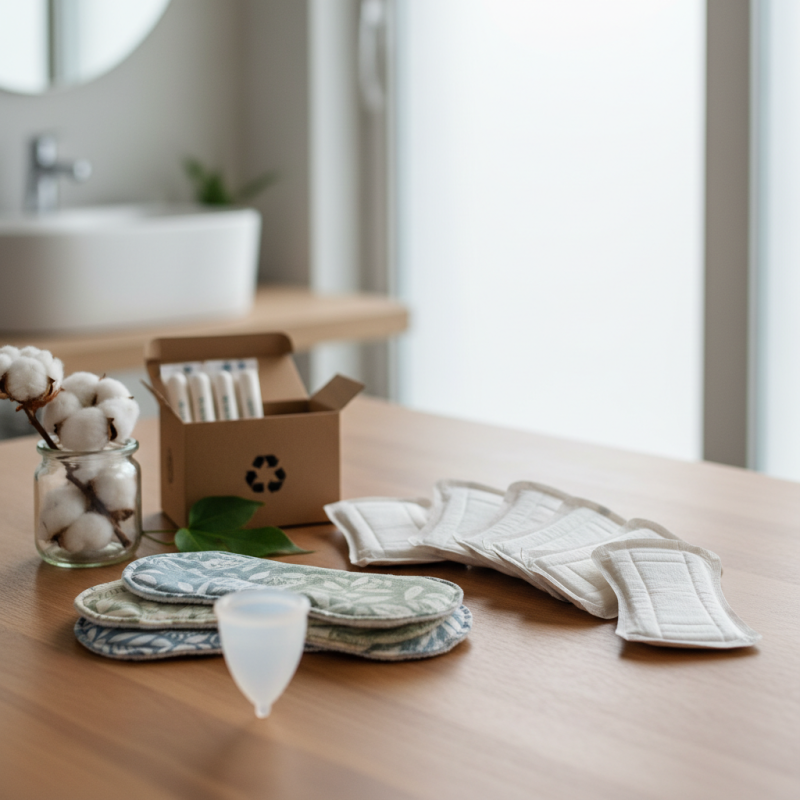
When exploring menstrual materials, buyers must consider various options. Common choices include pads, tampons, menstrual cups, and reusable cloths. Each option has unique benefits and drawbacks. For example, pads are convenient but can cause irritation. Tampons offer discretion but might pose risks of Toxic Shock Syndrome if not used properly.
Menstrual cups are gaining popularity. They are eco-friendly and can be used for years. However, some users find them challenging to insert or remove. Cloth materials, while comfortable, require regular washing and maintenance. It’s important for buyers to assess their personal needs and preferences.
Many factors influence the choice of menstrual materials. Cultural attitudes play a significant role, affecting accessibility and acceptance. Additionally, health considerations can dictate material choice. Prospective buyers should conduct thorough research and seek reliable sources of information. Understanding these aspects fosters informed decision-making in the global marketplace.
Types of Menstrual Products: Pros and Cons of Each Type
Menstrual products come in various types, each with its unique benefits and drawbacks.
Disposable pads are widely used. They offer convenience and ease of use.
However, they contribute to significant waste. This environmental impact is a growing concern for many consumers.
The materials used can also cause irritation for some women.
Another common option is tampons.
They provide excellent discretion and comfort. Many women appreciate their portability during travel.
Yet, they come with a risk of toxic shock syndrome, a serious condition that’s often overlooked.
Understanding the potential risks is crucial when choosing this type.
Menstrual cups are becoming increasingly popular.
They are reusable and can last for years. This makes them an eco-friendly choice.
However, some find them challenging to insert and remove. A learning curve exists.
In contrast, period underwear offers a new approach.
They absorb menstrual flow without the need for additional products.
But, not everyone feels secure wearing them for heavy days.
Exploring these options thoroughly allows individuals to make informed decisions.
Sustainability in Menstrual Products: Eco-Friendly Options Explored
As the demand for eco-friendly menstrual products rises, many global buyers seek sustainable options. Traditional disposable products often contribute to landfill waste. In contrast, eco-friendly alternatives aim to reduce environmental impact. These include menstrual cups, organic cotton pads, and reusable cloth pads. These products not only minimize waste but also often use materials free from harmful chemicals.
When choosing menstrual materials, consider the lifecycle of the product. Look for items made with sustainable practices. This may include organic farming, fair labor practices, and biodegradable components. Sustainability matters. However, some users find the transition to reusable products challenging. Being prepared for these challenges can make a difference in your experience.
Tips: Allow yourself time to adjust. Experiment with various products to find what suits your needs best. Research brands that prioritize ethical sourcing and transparency. By making informed choices, you contribute to a larger movement toward sustainability and better menstrual health.
Sustainable Menstrual Products: Eco-Friendly Options Explored
Cost Considerations: Budgeting for Menstrual Materials Worldwide
Budgeting for menstrual materials can be a daunting task for many. Prices vary significantly around the world due to local economies, availability, and cultural practices. Some regions may have access to low-cost options, while others face higher prices. Understanding these price variations is essential for consumers.
In many areas, standard disposable products can be costly when purchased regularly. A monthly supply can add up quickly. For those on tight budgets, reusable options like menstrual cups or cloth pads could be a more economical choice. However, some may find the initial investment challenging. It's important to assess your financial situation and explore all available options.
Additionally, availability often dictates choices. In some regions, quality options may not be accessible. Local alternatives can be a practical solution, but they might lack effectiveness. Balancing cost, effectiveness, and comfort is crucial for informed decisions. While cheaper products may appeal to the eye, their long-term impact needs reflection. Prioritizing reliability over price ensures a healthier and more sustainable choice.
Cultural Preferences: Regional Variations in Menstrual Product Usage
Cultural preferences for menstrual products vary widely around the globe. In some regions, disposable pads dominate. In others, reusable products, like menstrual cups or cloth pads, are increasingly popular. A report from Grand View Research indicates that the global feminine hygiene market is expected to reach over $45 billion by 2025. This growth reflects shifting attitudes towards menstrual health.
In many countries, social stigma influences product choices. In India, for example, around 70% of women still use traditional cloth instead of modern sanitary products. This choice often stems from cultural beliefs and economic factors. Access to education about menstrual health is critical. A study by WaterAid noted that 26% of adolescent girls in certain regions lack proper hygiene facilities.
However, awareness is growing. Many organizations now work to improve access to safe menstrual products. Education campaigns are addressing misconceptions. This is slowly changing the landscape. Nevertheless, not all cultural practices can be easily updated. It's essential to respect traditions while promoting health. Challenges remain, especially in rural areas with limited access to resources.
What is the Best Menstrual Materials for Global Buyers? - Cultural Preferences: Regional Variations in Menstrual Product Usage
| Region |
Preferred Product Type |
Percentage Usage |
Cultural Factors Influencing Choice |
| North America |
Tampons |
35% |
Convenience and active lifestyle |
| Europe |
Menstrual Cups |
30% |
Environmental concerns and reusability |
| Asia |
Sanitary Pads |
50% |
Cultural traditions and accessibility |
| Africa |
Cloth Pads |
40% |
Cost-effectiveness and sustainability |
| Latin America |
Disposable Pads |
45% |
Lack of awareness about alternatives |