China Top Plastic Free Sanitary Pads for Eco Friendly Living?
In recent years, the demand for eco-friendly products has surged. Consumers are increasingly aware of their environmental impact. One significant area of concern is menstrual hygiene. Traditional sanitary pads often contain plastic, contributing to waste and pollution.
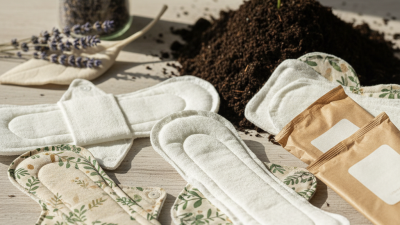
Plastic Free Sanitary Pads are emerging as a sustainable alternative. They promise comfort without harming the planet. Many brands are now focusing on biodegradable materials. These products offer a much-needed solution for eco-conscious individuals. Users appreciate not only their functionality but also their reduced environmental footprint.
However, despite their benefits, plastic-free options are not universally available. Some may find them pricier or less accessible than conventional options. It’s important for consumers to weigh these factors critically. Making the switch to Plastic Free Sanitary Pads is a step toward a greener future. Yet, ongoing dialogue about affordability and accessibility remains essential.
Benefits of Using Plastic-Free Sanitary Pads for the Environment
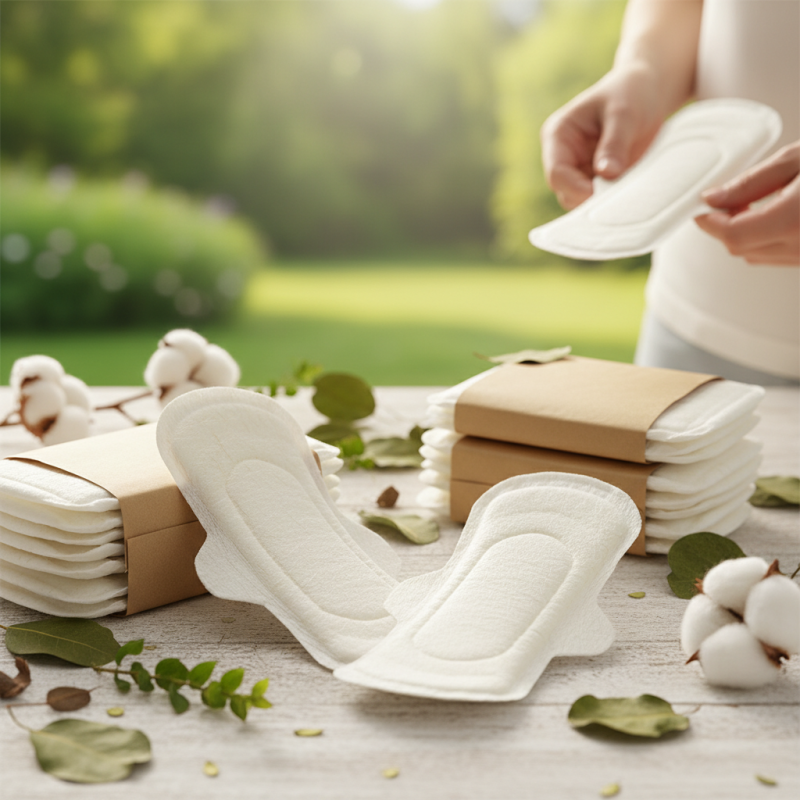
Plastic-free sanitary pads are becoming essential for eco-friendly living. They offer significant benefits for the environment. Traditional pads often contain plastic, contributing to pollution and landfill waste. Plastic waste takes centuries to decompose. In contrast, plastic-free options are biodegradable and compostable. They break down naturally, reducing environmental impact. This shift not only helps the planet but also promotes healthier choices.
Using plastic-free sanitary pads means supporting sustainable practices. Many of these pads are made with organic cotton and sustainable materials. This reduces chemical exposure for users. Moreover, the production process often involves less energy consumption compared to plastic counterparts. Eco-conscious consumers find satisfaction in making mindful choices that benefit both their health and the earth.
Tips:
Consider checking local stores for plastic-free options. Educate others about the benefits of sustainability. Read labels carefully to ensure products are genuine. Making informed decisions empowers you and can spark conversations about eco-friendly practices. Every small change counts toward a healthier planet. Embrace the journey towards sustainability, and take pride in your choices.
China Top Plastic Free Sanitary Pads for Eco Friendly Living
| Feature |
Plastic-Free Pads |
Conventional Pads |
| Material |
Organic Cotton, Bamboo |
Plastic, Synthetic Materials |
| Biodegradability |
Compostable in 6 months |
Takes up to 500 years |
| Impact on Wildlife |
Lower risk |
Higher risk due to pollution |
| Comfort |
Soft and breathable |
May cause irritation |
| Cost |
Higher upfront cost |
Generally cheaper |
| Health Considerations |
Free from toxins |
May contain harmful chemicals |
Top Eco-Friendly Materials in Plastic-Free Sanitary Pads
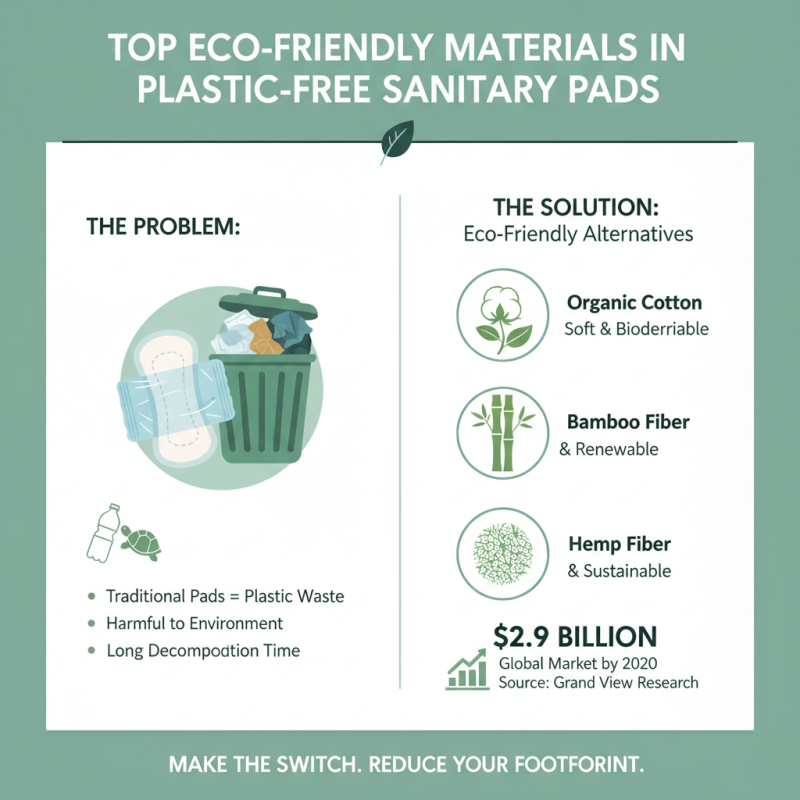
In recent years, the demand for eco-friendly materials in sanitary pads has surged. Many consumers are aware of the environmental impacts associated with traditional plastic-based products. A report from Grand View Research highlights that the global market for eco-friendly sanitary products is projected to reach $2.9 billion by 2030. This growing interest reflects a shift towards sustainability.
Plastic-free sanitary pads are often made from organic cotton, bamboo, or hemp. These materials are biodegradable and reduce reliance on synthetic fibers. According to the World Health Organization, cotton farming can consume significant amounts of water, yet organic farming practices mitigate this effect. Bamboo, on the other hand, grows rapidly and requires less water. This interaction with the environment raises questions about sourcing and sustainability practices.
It is essential to consider the trade-offs involved. While natural materials offer benefits, they can sometimes lead to irritation for sensitive skin. A study published in the Journal of Women’s Health found that certain organic pads can contain allergens. Potential irritations remind us to reflect on ingredient sourcing and consumer experiences. Focusing on education and transparency in sourcing can enhance trust in eco-friendly options. Balancing eco-conscious living with individual needs is crucial.
How to Choose the Best Plastic-Free Sanitary Pads for Your Needs
Choosing the right plastic-free sanitary pads can greatly impact your health and the environment. Research shows that conventional pads often contain synthetic materials that can take hundreds of years to decompose. In contrast, plastic-free options are usually made from organic cotton or bamboo. These materials break down much more quickly, supporting a healthier planet.
When selecting sanitary pads, consider absorbency, comfort, and allergenic potential. Not all pads are created equal. Some women may experience irritation from certain natural materials. Others might prefer thicker pads for heavy flow days. According to a recent report from the Natural Products Association, nearly 60% of women are now opting for eco-friendly products. This shift demonstrates a growing awareness of health and environmental issues.
Examining certifications is crucial. Look for products marked with recognized organic or eco-friendly certifications. This ensures that the pads meet strict manufacturing standards. Many consumers still overlook potential allergens or additives even in natural products. Therefore, reading labels carefully is essential for making an informed choice.
Plastic-Free Sanitary Pads Comparison
This chart illustrates a comparison of key specifications for different eco-friendly plastic-free sanitary pads, including their absorbency, biodegradability, price, and comfort rating. This information can help consumers choose the best option for their needs.
Comparing Popular Brands of Plastic-Free Sanitary Pads in China
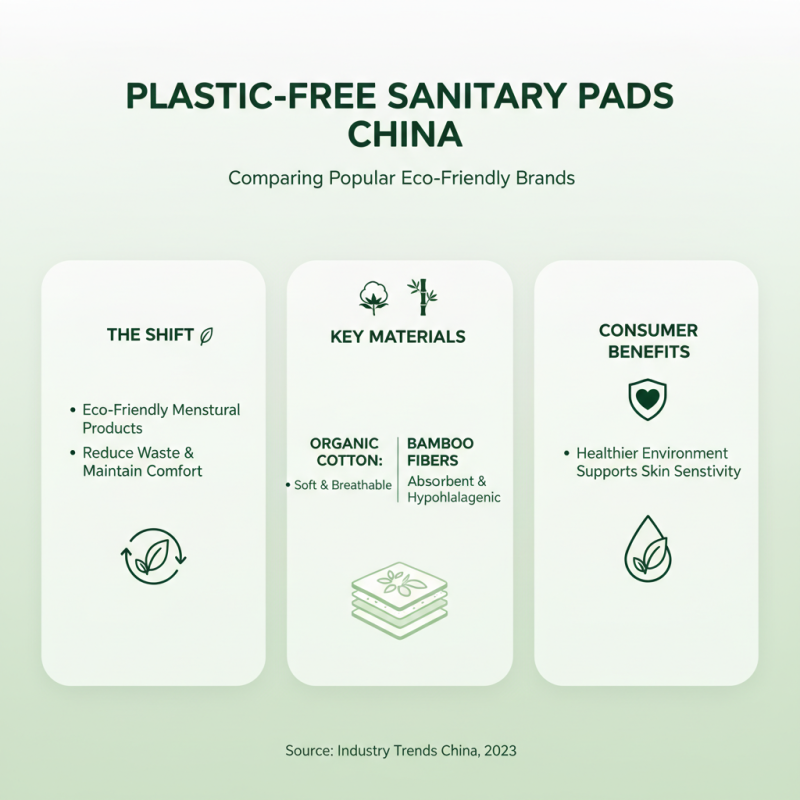
In recent years, there has been a noticeable shift towards eco-friendly menstrual products. Many consumers in China seek plastic-free sanitary pads to reduce waste while maintaining comfort and hygiene. Various brands now offer alternatives made from natural materials, such as organic cotton and bamboo fibers. These materials not only contribute to a healthier environment but also support skin sensitivity.
When choosing plastic-free pads, consider absorption capacity and thickness. Some products provide extra absorbency, which is essential for heavier flow days. However, finding the right fit is crucial for comfort. Check user reviews online to gauge experiences with different brands. It's beneficial to try samples before committing to a larger purchase.
Tips: Pay attention to certifications. Look for organic and biodegradable labels. These indicate higher standards in manufacturing. Also, think about packaging. Many plastic-free pads come in compostable wrappers, which can help minimize environmental impact. Remember that every small choice counts in making a significant change. Choose wisely!
User Reviews and Experiences with Plastic-Free Sanitary Pads
Many users have started sharing their experiences with plastic-free sanitary pads. The switch to these eco-friendly options has garnered mixed reviews. For some, the comfort level is impressive. Users appreciate the softness and breathability. They report feeling better overall, knowing they’re making a sustainable choice.
However, others have voiced concerns about absorbency. Some find that these pads don’t perform as well as traditional options. There can be leaks during heavy days, sparking frustration. It's important for consumers to research and test different products to find what works best for them.
Many also highlight the impact on the environment. Choosing plastic-free products reduces landfill waste significantly. Users often feel empowered by their decision, contributing to a plastic-free world. Ultimately, individual experiences vary widely. Everyone’s body and flow are unique, requiring a degree of experimentation to find the perfect fit.