How to Choose the Best Menstrual Materials for Comfort and Sustainability
Choosing the right menstrual materials is essential for ensuring both personal comfort and environmental sustainability. As conversations around menstruation evolve, it becomes increasingly clear that options extend far beyond traditional disposable products. The growing awareness of environmental concerns has prompted many individuals to reevaluate their choices and consider the impact of menstrual materials on both their bodies and the planet. This shift opens up a diverse array of alternatives, each with its own set of benefits and considerations.
When selecting menstrual materials, factors such as absorbency, material safety, and environmental impact play a crucial role. Eco-friendly options, like reusable cloth pads, menstrual cups, and period underwear, offer sustainable solutions that reduce waste and support a healthier planet. Simultaneously, understanding the materials' compatibility with one's body is vital to ensuring comfort throughout the menstrual cycle. By taking the time to explore various menstrual materials and their implications, one can make informed decisions that align with both personal needs and broader sustainability goals.

Understanding Menstrual Materials: A Guide to Comfort and Sustainability
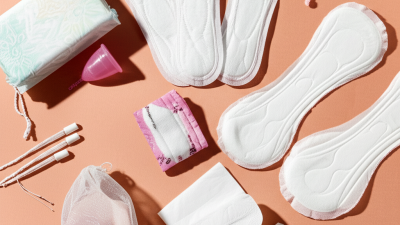
When it comes to choosing menstrual materials, understanding the various options available can greatly enhance both comfort and sustainability. Traditional products like pads and tampons often contain synthetic materials that can cause discomfort and contribute to environmental waste. Alternatively, more sustainable options such as menstrual cups, reusable pads, and period underwear not only provide comfort but also significantly reduce the amount of waste produced during menstruation.
To maximize comfort, it’s essential to consider the materials used in menstrual products. Look for organic cotton or bamboo fibers that are gentle on the skin. Additionally, breathable fabrics can help prevent irritation and maintain a feeling of freshness throughout the day. Remember to pay attention to the fit and absorbency of products to find the best match for your body’s unique needs.
Tips for choosing sustainable menstrual materials include assessing your lifestyle and preferences. For instance, if you prefer a low-maintenance option, menstrual cups might be ideal as they can be worn for up to 12 hours and require minimal care. On the other hand, if you enjoy the feeling of traditional pads, opt for those made from organic or recycled materials. By making informed choices about menstrual products, you can embrace a more comfortable, sustainable approach to menstruation.
Menstrual Material Preferences for Comfort and Sustainability
Evaluating Comfort: Key Factors in Choosing Menstrual Products
When selecting menstrual products, comfort should be a primary consideration. Different materials can impact how gentle or harsh a product feels against the skin. Biodegradable options, such as organic cotton, are often softer and less irritating, making them preferable for those with sensitive skin. Additionally, the shape and fit of menstrual products, like pads and cups, play a vital role in comfort. A well-fitting product that conforms to body contours will help reduce discomfort and leaks, allowing for a more enjoyable experience throughout the day.
Tips for ensuring comfort include paying attention to absorbency levels. Choosing a product that matches your flow can prevent unnecessary bulk or leaks. Furthermore, considering the thickness of pads and the flexibility of cups can enhance comfort; thinner products often feel less intrusive. For individuals who find menstrual cups daunting, starting with a smaller size or softer material might aid in a more comfortable transition. Lastly, always keeping an eye on how your body responds—such as irritation or allergic reactions—can guide future choices for a comfortable menstrual experience.
Sustainability is equally important in the equation. Opting for reusable products can contribute to environmental goals while providing a comfortable fit. Washable pads and menstrual cups can last for years when cared for properly, significantly reducing waste associated with disposable products. This dual focus on comfort and sustainability ensures a more satisfying menstrual experience while also benefiting the planet.
Sustainable Options: Eco-Friendly Menstrual Products Explained
When it comes to menstrual hygiene, the importance of eco-friendly options cannot be overstated. Traditional menstrual products, primarily composed of plastics and other synthetic materials, contribute significantly to environmental pollution. According to a report by the Menstrual Health Coalition, about 45 billion sanitary products are disposed of in landfills each year, which can take hundreds of years to decompose. As a response to this pressing issue, many individuals are exploring sustainable alternatives that not only prioritize comfort but also reduce their ecological footprint.
Sustainable menstrual products include options such as organic cotton pads, menstrual cups, and reusable cloth pads. Research by the Sustainable Menstrual Products Project highlights that switching to these alternatives can effectively reduce waste by up to 90% over the lifetime of the product. Moreover, organic cotton products are free from harmful pesticides and chemicals, ensuring a healthier choice for both the user and the environment. Menstrual cups, made from medical-grade silicone or latex, can last several years and offer a cost-effective solution while minimizing the impact on landfills. As awareness grows, embracing these eco-friendly menstrual products is not just a trend; it’s becoming an essential step toward supporting both personal health and environmental sustainability.
Comparing Disposable and Reusable Menstrual Materials
When considering menstrual materials, it's essential to weigh the pros and cons of both disposable and reusable options.
Disposable menstrual products, such as pads and tampons, offer convenience and ease of use. They are designed for one-time use, making it simple to manage menstrual flow without the need for cleaning or maintenance.
However, the environmental impact of disposable products cannot be overlooked. The production and disposal of these items contribute significantly to landfill waste, with millions of products being thrown away each month.
On the other hand, reusable menstrual materials, including menstrual cups and cloth pads, present a sustainable alternative. These products are designed to be washed and reused for several years, significantly reducing waste.
Although the initial investment may be higher, the long-term savings and environmental benefits make them an attractive option. Many users report increased comfort and less irritation compared to disposables, as reusable products often contain fewer chemicals and are made from natural materials.
As such, choosing the right menstrual material requires careful consideration of personal comfort, lifestyle preferences, and environmental impact to make an informed decision that aligns with one's values.
Making the Switch: Tips for Transitioning to Sustainable Menstrual Products
Transitioning to sustainable menstrual products can be an empowering journey that enhances both comfort and ecological responsibility. Research indicates that traditional menstrual products, such as disposable pads and tampons, contribute significantly to landfill waste, with an estimated 300 million tampons and 22 billion pads used in the U.S. each year alone. By making the switch to sustainable options, such as menstrual cups, cloth pads, or period underwear, individuals can reduce their environmental footprint while experiencing a more comfortable and safe period.
To facilitate this transition, it’s important to explore various sustainable products to find what works best for your body. For instance, menstrual cups have been reported to hold more fluid than traditional products, reducing the frequency of changes and potential discomfort. Meanwhile, cloth pads can be customized in terms of size and absorbency, tailored to suit individual menstrual flow. According to a study from the Journal of Environmental Management, using reusable menstrual products can potentially save women over 90% in menstrual product costs over a lifetime.
When switching to sustainable menstruation options, consider starting with one product at a time to gauge comfort levels and fit. It can also be helpful to join online communities or forums for support and shared experiences. Embracing sustainable practices not only contributes to personal health but also fosters a collective effort towards a cleaner planet.