How to Choose Plastic Free Sanitary Pads for Sustainable Living?
As more people seek sustainable living options, choosing the right products matters. Among these, **Plastic Free Sanitary Pads** stand out. They provide a healthier alternative to conventional products. Many of these pads are biodegradable and made from organic materials.
The menstrual products we use have a significant impact on our planet. Traditional pads are often filled with plastic, contributing to pollution and landfill waste. Opting for plastic-free alternatives helps reduce our carbon footprint. It reflects a commitment to sustainability and personal health.
Yet, finding the perfect plastic-free sanitary pads can be challenging. Brands vary greatly in quality and composition. It’s essential to research materials, certifications, and reviews. This journey is not just about making a purchase; it’s about aligning choices with values. We can contribute positively to the environment with mindful purchasing decisions. Reflecting on choices encourages us to embrace this change fully.
Understanding the Environmental Impact of Conventional Sanitary Pads
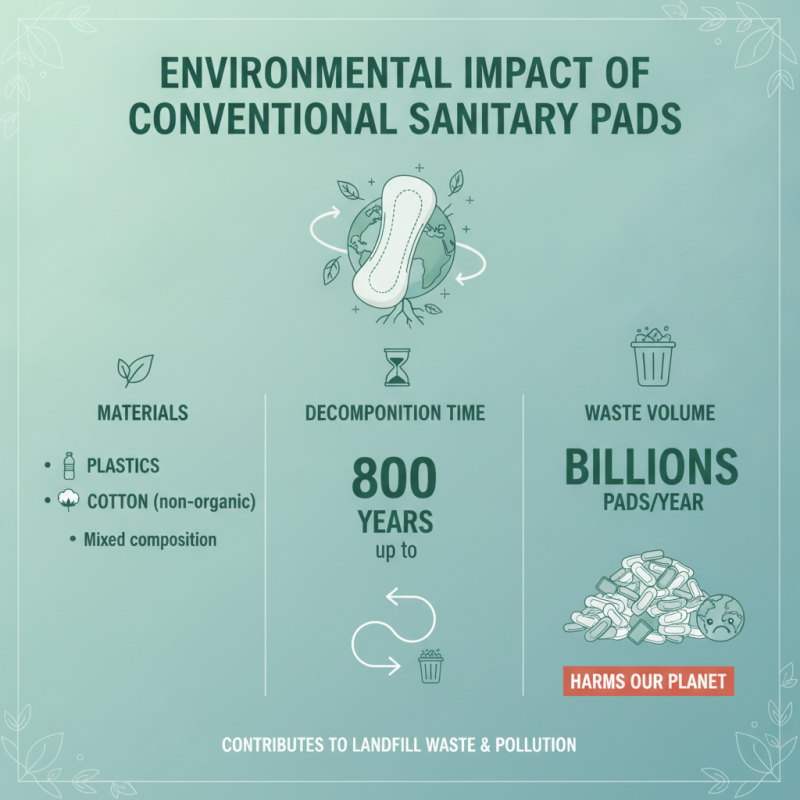
Conventional sanitary pads are made from a mix of plastics and cotton, which poses significant environmental challenges. They can take up to 800 years to decompose, contributing to the growing problem of landfill waste. Each year, billions of pads are used and tossed away. This creates a shocking amount of waste that ultimately harms our planet.
The production of these pads uses harmful chemicals and pesticides, impacting the environment as well. This often includes non-biodegradable materials, like polyethylene. Additionally, many brands use single-use plastic wrappers and packaging, compounding the environmental crisis. The chemicals in these products can leach into the ecosystem, affecting soil and water.
Choosing plastic-free options can be a step towards sustainability. Reusable cloth pads or other biodegradable alternatives offer environmentally friendly solutions. Reflecting on our choices becomes essential; every small change impacts the environment. It’s important to question the lifecycle of these products and their real cost to our planet.
Key Materials to Consider in Plastic-Free Sanitary Pad Options
Choosing plastic-free sanitary pads is an important step toward sustainable living. When looking for alternatives, consider the materials carefully.
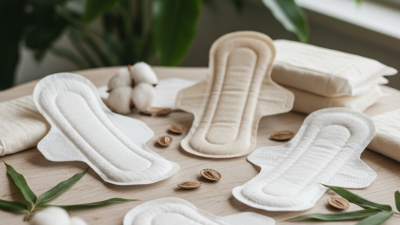
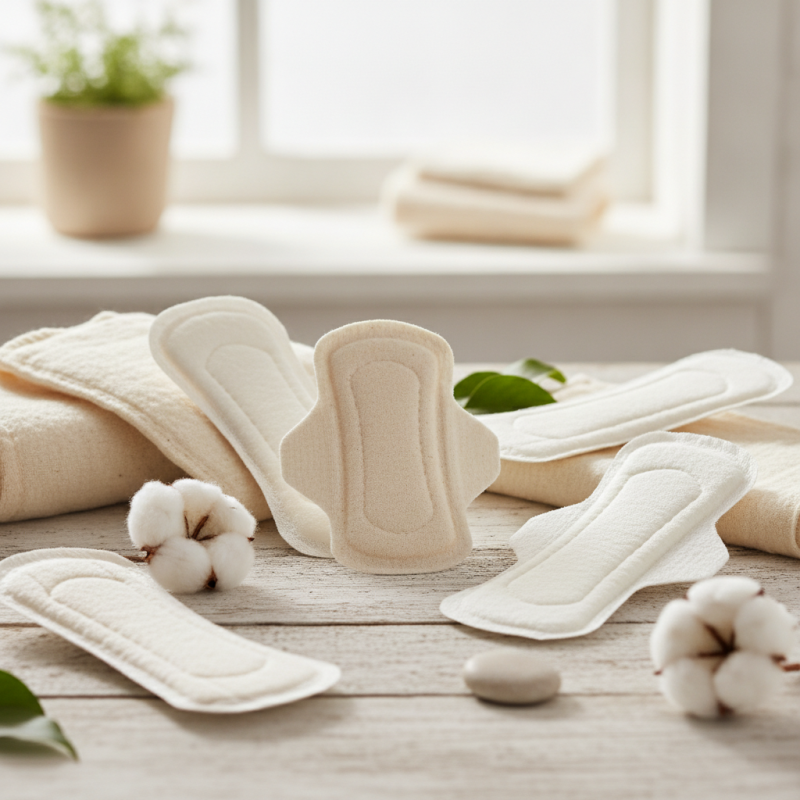
Cotton is a popular choice. It is biodegradable and hypoallergenic, making it suitable for sensitive skin.
Organic cotton takes this a step further. It is grown without harmful pesticides.
Another option is bamboo. This material is incredibly absorbent and has natural antibacterial properties. Bamboo pads are soft and comfortable, providing a great experience.
Reusable pads made from these materials can significantly reduce waste. However, the washing process may require some effort. It is essential to maintain hygiene while using reusable options.
Don’t overlook the packaging. Brands that offer plastic-free pads typically use biodegradable or recyclable materials. This choice is vital for reducing landfill waste.
While there are many options, personal experience with comfort and fit may vary. Exploring different types involves some trial and error. Keep an open mind, and reflect on what suits your needs best.
Exploring Brands Committed to Sustainable and Plastic-Free Products
When choosing plastic-free sanitary pads, it's essential to understand the brands committed to sustainable practices. Many companies focus on using natural materials. They often prioritize organic cotton or bamboo. These options are biodegradable and minimize environmental impact. These brands frequently highlight eco-friendly production methods. It reflects their commitment to reducing waste.
It's also important to consider brand transparency. Look for companies that openly share information about their sourcing and manufacturing processes. This builds trust and helps consumers make informed choices. Some brands provide detailed insights into their supply chains. They ensure their materials are ethically sourced. It creates a sense of accountability.
However, it’s important to remember that not all brands are created equal. Some may claim to be eco-friendly without substantial proof. This can lead to confusion and disappointment. Researching customer reviews and company certifications can help. Engaging with community discussions on sustainable living can further guide your decisions. The journey to sustainable products is not perfect and requires ongoing reflection and adjustment.
How to Choose Plastic Free Sanitary Pads for Sustainable Living?
| Product Type |
Materials Used |
Certifications |
Biodegradability |
Price Range (USD) |
| Reusable Cloth Pads |
Cotton, Bamboo |
OEKO-TEX |
Yes |
10-30 |
| Disposable Biodegradable Pads |
Corn Starch, Bamboo Fiber |
Forest Stewardship Council (FSC) |
Yes |
8-20 |
| Menstrual Cups |
Medical Grade Silicone |
FDA Approved |
Yes |
20-40 |
| Organic Cotton Pads |
Organic Cotton, Plant-Based Adhesives |
GOTS |
Yes |
7-25 |
Evaluating Certifications and Standards for Eco-Friendly Sanitary Pads
When choosing plastic-free sanitary pads, certifications and standards are vital to ensure eco-friendliness. Look for pads that are certified organic. These products often use cotton that is free from pesticides and synthetic fertilizers. Additionally, check for certifications like GOTS (Global Organic Textile Standard). This ensures the entire production process meets strict environmental and social criteria.
Understanding certifications can be daunting. Not all labels are created equal. Some pads claim to be "bio-based" but still contain plastics. Always read the materials list carefully. It should clearly state no synthetic materials are used.
Tip: Research the brands thoroughly. Seek out those who are transparent about their sourcing and production methods.
Consider the company’s values and practices. Some eco-conscious brands focus on sustainable sourcing. Others emphasize fair labor practices. Both factors matter in making a responsible choice.
Tip: Engage with communities discussing eco-friendly options. This can enhance your understanding and provide different perspectives.
Comparison of Eco-Friendly Sanitary Pad Certifications
Community Insights: Personal Experiences with Plastic-Free Menstrual Care
In recent years, many individuals have started sharing their experiences with plastic-free sanitary pads. This shift reflects a growing awareness of environmental impact and personal health. Reports show that around 45 billion pads are used globally each year, often contributing to pollution and landfill issues. Each pad can take up to 500 years to decompose. Many women now prioritize sustainable options.
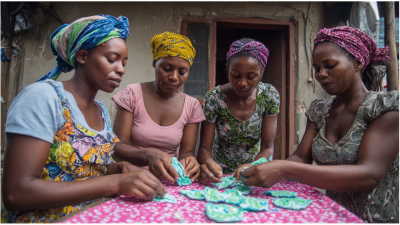
Community insights reveal varied experiences with plastic-free menstrual care. Some users praise the comfort and breathability of organic cotton materials. They enjoy the peace of mind that comes with knowing their choices are eco-friendly. Others report transition challenges, such as changes in absorbency or fit. Feedback often highlights the importance of trial and error in finding the right product for individual needs.
Listening to testimonials, it is evident that more education is needed. While some advocates claim plastic-free pads are a game changer, others caution about potential allergic reactions. Understanding one's body and product ingredients is crucial. Community conversations emphasize that the journey toward sustainable living is personal and complex. Embracing imperfection allows for growth and improvements in personal choices.