How to Choose Plastic Free Sanitary Pads for Sustainable Periods?
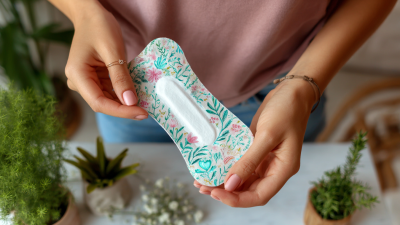
In recent years, the push for sustainable living has grown. Many consumers are now seeking alternatives to traditional products. One area that often gets overlooked is menstrual products. Choosing Plastic Free Sanitary Pads is an effective way to make a change.
Plastic has devastating effects on our environment. Disposable sanitary pads often contain plastics that can take hundreds of years to decompose. By opting for plastic-free options, individuals can reduce waste. This choice supports a healthier planet and encourages brands to rethink their materials.
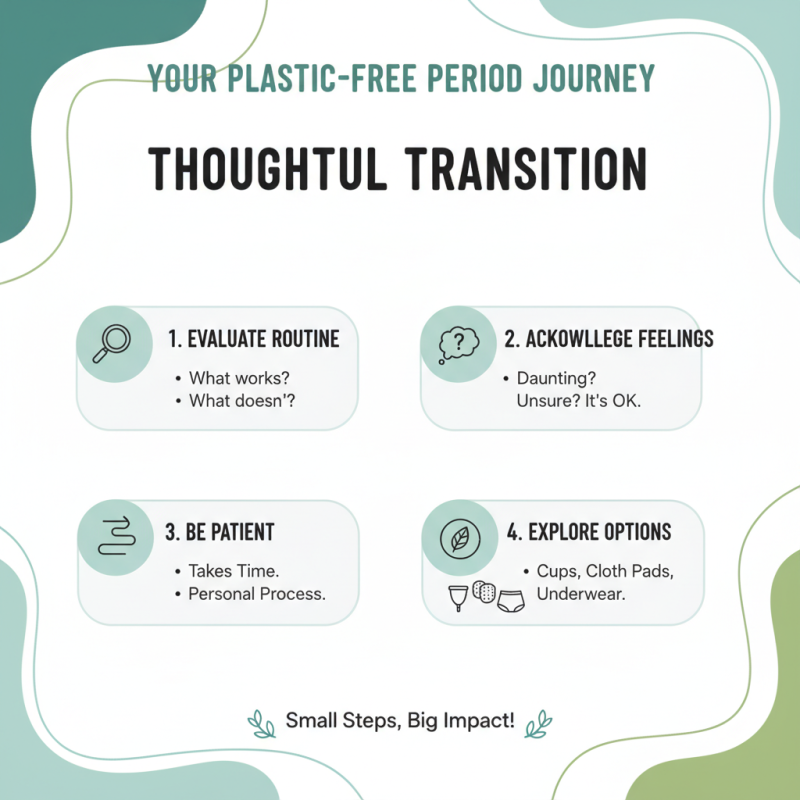
Selecting the right plastic-free sanitary pads involves consideration. It’s essential to check ingredients and packaging. Some products may claim to be eco-friendly but fall short. It’s a journey of discovery, with both successes and challenges. Embracing this change is not always easy, but every small action matters.
Understanding the Environmental Impact of Traditional Sanitary Pads
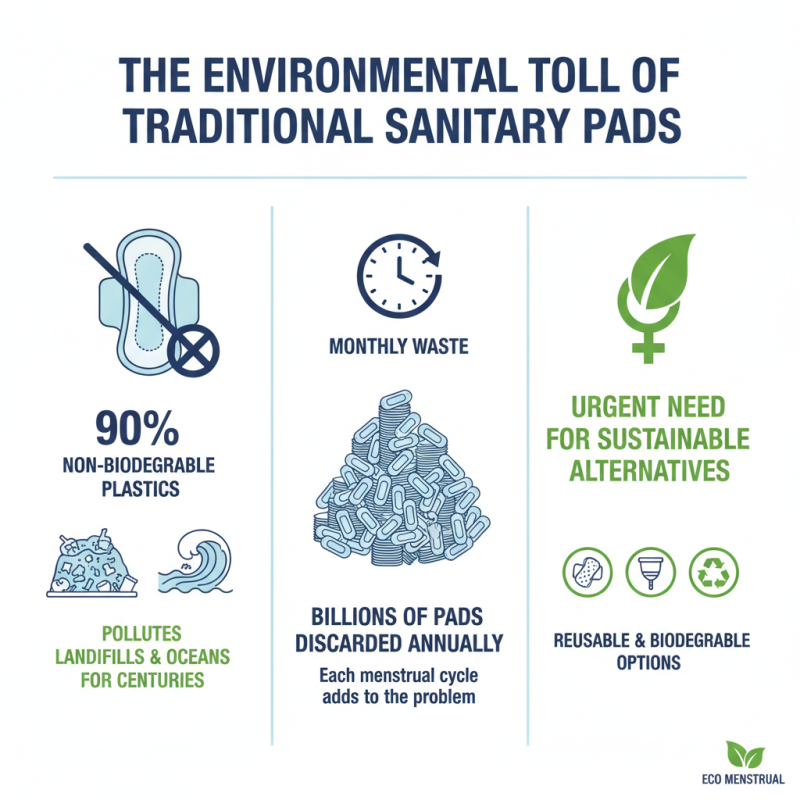
Traditional sanitary pads create significant environmental challenges. Most pads are made from plastic materials that do not biodegrade. This plastic waste can last for hundreds of years, polluting landfills and oceans. Every menstrual cycle contributes to this growing problem. Each year, billions of pads are thrown away, highlighting the urgent need for sustainable alternatives.
Consider the materials used in conventional pads. They often contain synthetic fibers and chemical-laden absorbents. These materials not only harm the environment but can affect human health too. Many users experience allergies or irritation, prompting the need for natural alternatives. The production process also involves harmful chemicals that contribute to pollution.
Choosing plastic-free sanitary pads is a step toward a more sustainable future. Look for pads made from organic cotton or biodegradable materials. The shift may not be easy, and results may vary. It's important to explore different products and find what works best for you. Your menstrual health should not come at the expense of the planet's health. Every small change counts in this collective effort.
Identifying Key Features of Plastic-Free Sanitary Pads
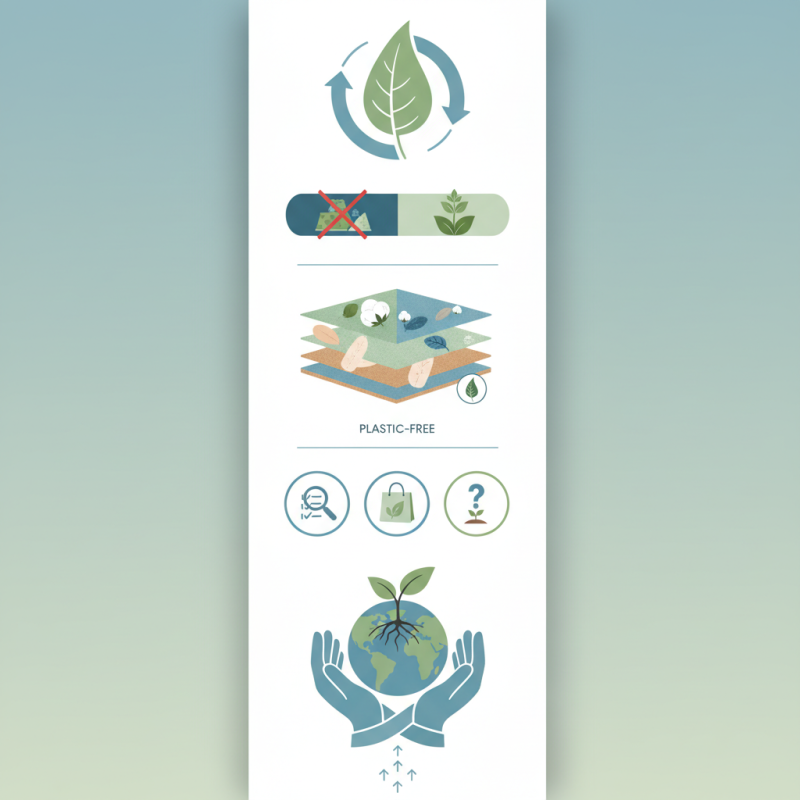
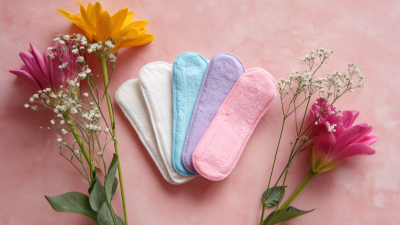
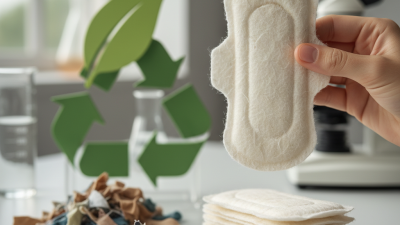
When looking for plastic-free sanitary pads, focus on the materials. Organic cotton is a great option. It is soft, breathable, and free from harmful chemicals. Many brands offer pads made from bamboo or other sustainable fibers. These materials provide comfort and help reduce environmental impact.
Tips: Always check for certifications. Look for pads that claim to be 100% biodegradable. This ensures that they break down over time, leaving no trace behind. Reading reviews can also help gauge comfort levels. Personal experiences can guide your choice.
Another feature to consider is the pad's absorbency. Not all pads are created equal. Some might leak or feel bulky. Trying different styles helps to find the right fit. A pad that works well for one person may not suit another.
Tips: Consider trying a variety pack. This allows for experimentation without committing to a single type. Also, think about your flow. Having the right absorbency is crucial. Listen to your body and adjust your choices accordingly.
Evaluating Materials Used in Sustainable Sanitary Pads
When choosing plastic-free sanitary pads, understanding the materials is crucial. Many conventional pads contain synthetic materials that take hundreds of years to decompose. In contrast, sustainable options utilize natural fibers, which are biodegradable. Cotton is commonly used, but it can also be heavily treated. Look for organic certifications to ensure no harmful chemicals are involved.
In a 2021 report, eco-friendly pads contributed to reducing waste significantly. The report noted that using biodegradable pads can lower landfill waste by 90% compared to conventional products. Many pads use materials like bamboo or hemp that are not only sustainable but also eco-friendly. However, some consumers still question the availability and effectiveness of these products.
Reflecting on these choices can be eye-opening. While the idea of plastic-free products sounds appealing, availability can be an issue. In certain regions, sustainable products may not be easily accessible. This highlights the importance of local sourcing and education on the environmental impact of menstrual products. Embracing these alternatives is a step towards reducing our carbon footprint, but it requires commitment and awareness.
How to Choose Plastic Free Sanitary Pads for Sustainable Periods?
Comparing Brands and Their Commitment to Sustainability
When choosing plastic-free sanitary pads, it’s vital to look at brand commitments. Brands take various approaches to sustainability. Some focus on organic materials, claiming less environmental impact. Others prioritize recycled packaging. Understanding these differences is essential for informed choices.
It's not always clear how brands measure their sustainability. Transparency can be lacking. Some brands provide vague information about sourcing or production. Their marketing may sound eco-friendly, but the details matter. Consumers should dig deeper to find the truth.
Product reviews can reveal real experiences. Users share honest feedback about comfort and performance. This insight often highlights flaws, like irritating materials or inadequate absorbency. While some brands excel, others may falter, leaving users disappointed. As consumers, we must critically assess these options to support genuine sustainability.
How to Choose Plastic Free Sanitary Pads for Sustainable Periods? - Comparing Brands and Their Commitment to Sustainability
| Brand |
Material |
Sustainability Certification |
Biodegradable |
Price Range ($) |
| Brand A |
Organic Cotton |
GOTS Certified |
Yes |
8-12 |
| Brand B |
Bamboo Fiber |
OEKO-TEX Standard 100 |
Yes |
10-15 |
| Brand C |
Recycled Materials |
B Corporation Certified |
No |
7-11 |
| Brand D |
Hemp |
Fair Trade Certified |
Yes |
9-13 |
| Brand E |
Cotton with Plant-Based Binders |
ISO 14001 Certified |
Yes |
6-10 |