What is Fiber Polypropylene and Its Uses in Industry?
Fiber Polypropylene is gaining attention in various industries due to its unique properties. This synthetic fiber is lightweight yet strong, making it ideal for many applications. It can withstand moisture and chemicals, enhancing its versatility.
In the textile sector, Fiber Polypropylene is often used for creating durable fabrics. These fabrics are resistant to wear and tear, making them suitable for outdoor uses. Additionally, this material is popular in packaging. Its strength helps protect goods during transport.
Despite its advantages, there are challenges to consider. Not all industries fully recognize the potential of Fiber Polypropylene. Some may underestimate its benefits over traditional materials. This hesitance can slow innovation and growth in certain markets. Exploring these areas could lead to better applications and broader acceptance.
What is Fiber Polypropylene?
Fiber polypropylene is a type of synthetic fiber made from a thermoplastic polymer. It is highly versatile and exhibits several beneficial properties. This material is lightweight, resistant to moisture, and offers excellent tensile strength. According to industry reports, the global polypropylene fiber market is projected to grow at a compound annual growth rate (CAGR) of approximately 5.2% from 2021 to 2028. This growth reflects the increased demand across various sectors, including textiles and construction.
In the textile industry, fiber polypropylene is widely used for making non-woven fabrics. These fabrics are crucial in applications such as hygiene products and landscaping. They are cost-effective and provide good durability. However, the environmental impact of plastic fibers raises concerns. Many manufacturers are exploring innovative recycling methods to mitigate this issue. Reports indicate that recycled polypropylene could reduce production costs by as much as 30%.
Moreover, fiber polypropylene has notable applications in the automotive sector. It is utilized for producing lightweight components that enhance fuel efficiency. However, the long-term performance of these components remains a topic of discussion. Some studies suggest that while polypropylene performs well initially, its durability under high-stress conditions can vary. This inconsistency requires further research and development to ensure reliability in critical applications.
Chemical Composition and Properties of Fiber Polypropylene
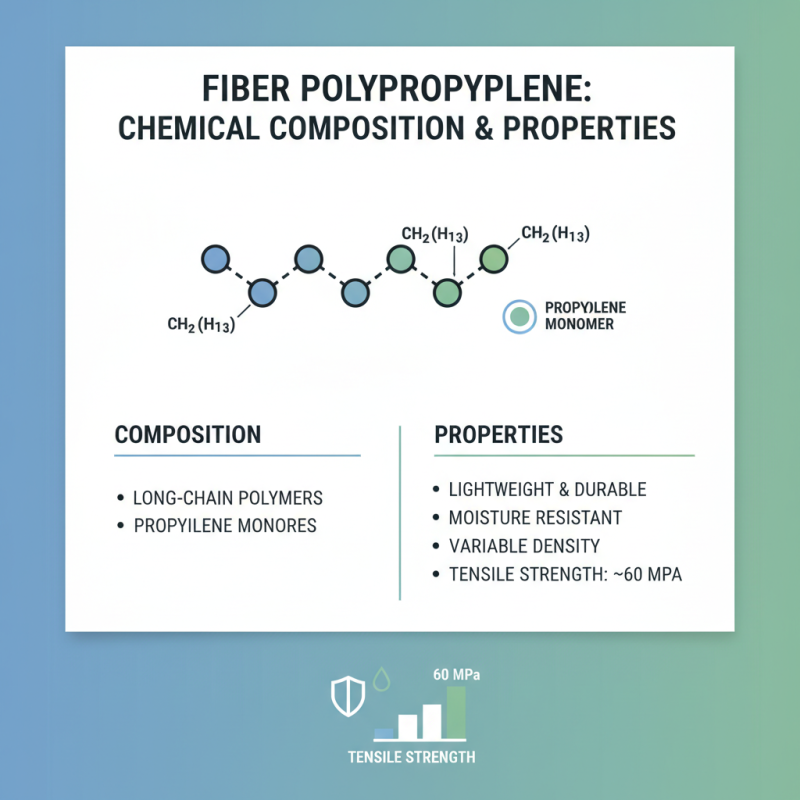
Fiber polypropylene is known for its lightweight and durable characteristics. It consists of long-chain polymers made from propylene monomers. This material is resistant to moisture and varies in density, affecting its overall strength. Reports indicate that fiber polypropylene possesses significant tensile strength, reaching nearly 60 megapascals in some cases, making it ideal for various applications.
In the industrial realm, fiber polypropylene is used in textiles, automotive, and construction sectors. Its ability to withstand harsh environments greatly contributes to its popularity. For instance, in textiles, it can produce durable non-woven fabrics for industrial use. Automotive industries frequently utilize it for insulation and interior components. However, there are concerns regarding its environmental impact. While fiber polypropylene is recyclable, the processes are not widely adopted.
Recent studies highlight the need for better recycling methods to mitigate environmental challenges. Only about 20% of polypropylene waste is currently recycled. As industries grow, understanding the properties and sustainable practices related to fiber polypropylene becomes essential. Reflective practices in material usage will help address these issues.
Key Applications of Fiber Polypropylene in Various Industries
Fiber polypropylene is a versatile material used across various sectors. It offers high tensile strength and excellent resistance to chemicals. Construction is one key area where fiber polypropylene shines. It is commonly used in geotextiles for soil stabilization. This helps improve erosion control and reduces soil movement. Such applications are crucial in highways and other infrastructure projects.
In the automotive industry, fiber polypropylene is also gaining attention. It’s used in interior components, such as door panels and dashboards. These parts benefit from the lightweight nature and durability of fiber polypropylene. This can lead to improved fuel efficiency in vehicles. However, the challenge lies in balancing cost and quality. Manufacturers often struggle to find the right blend to meet performance standards.
Additionally, the textiles industry has embraced fiber polypropylene. It is the go-to choice for non-woven fabrics, which are used in personal care products. These items include diapers and sanitary pads, where absorbency is vital. Yet, there are concerns regarding the environmental impact of synthetic fibers. The industry must reflect on how to make fiber polypropylene more sustainable while meeting high demand.
Advantages of Using Fiber Polypropylene Over Other Materials
Fiber polypropylene is gaining popularity across various industries for several reasons. One of the main advantages is its lightweight nature. This material allows for easy handling and transportation, reducing overall costs. Additionally, fiber polypropylene is resistant to moisture, making it suitable for outdoor applications. It does not absorb water, which prevents degradation over time.
Another important benefit is its durability. Fiber polypropylene can endure harsh conditions, including UV exposure and extreme temperatures. This resilience ensures longevity, which is a key factor for many manufacturers. It may not be biodegradable, raising concerns about environmental impact. However, its recyclability is a positive aspect that cannot be overlooked.
Furthermore, fiber polypropylene offers good chemical resistance. It withstands many solvents and acids without significant degradation. This quality makes it ideal for industries like automotive and construction. Yet, users must be aware of its limitations in certain situations. For instance, while it excels in many environments, it may not perform well under mechanical stress. Therefore, a careful evaluation is crucial when selecting materials for specific applications.
Future Trends and Innovations in Fiber Polypropylene Utilization
Fiber polypropylene (PP) is gaining momentum in various industries. Its low cost and lightweight nature make it appealing. Innovations in processing techniques enhance its strength and durability. This trend hints at broader applications, particularly in sustainable practices.
Recent advances focus on biodegradable composites. These developments align with growing environmental concerns. Industries are exploring ways to blend fiber PP with natural fibers. This could lead to products that are both strong and eco-friendly. However, challenges remain in balancing performance and sustainability.
One area of growth is in textiles. Fiber polypropylene is being used for outdoor fabrics and geotextiles. Its water-resistant properties are valuable. Yet, the industry must address waste management issues. Finding effective recycling methods is crucial for future success.
What is Fiber Polypropylene and Its Uses in Industry?
| Property |
Detail |
| Material Type |
Fiber Polypropylene |
| Common Uses |
Textiles, Automotive, Construction, Packaging |
| Advantages |
Durable, Lightweight, Moisture Resistant, Cost-effective |
| Environmental Impact |
Recyclable, Low Toxicity |
| Future Trends |
Biodegradable Options, Smart Textiles Integration, Enhanced Recycling Technologies |