Why Fiber Polypropylene is the Preferred Choice for Sustainable Products?
Fiber polypropylene is increasingly recognized as a sustainable material in various industries. According to a report by Smithers Pira, the global market for polypropylene is expected to reach over $90 billion by 2025. This growth reflects a rising demand for products that combine durability with eco-friendliness. Fiber polypropylene, in particular, stands out due to its lightweight nature and recycling potential.
Sustainability is essential in today's manufacturing processes. Fiber polypropylene can be produced with less energy compared to traditional materials. A study by the European Bioplastics Association highlights that using fiber polypropylene can reduce carbon emissions by up to 30% compared to conventional fibers. This significant reduction underscores its potential in reducing the environmental impact of various products.
However, challenges remain. Not all fiber polypropylene is created equal; some versions are less recyclable than others. Consumers and manufacturers must navigate these complexities. Understanding the nuances of different formulations is vital. Only then can industries fully harness the benefits of fiber polypropylene while striving for sustainable practices. The journey toward sustainability includes ongoing reflection and improvement in material choice.
Understanding Fiber Polypropylene and Its Properties
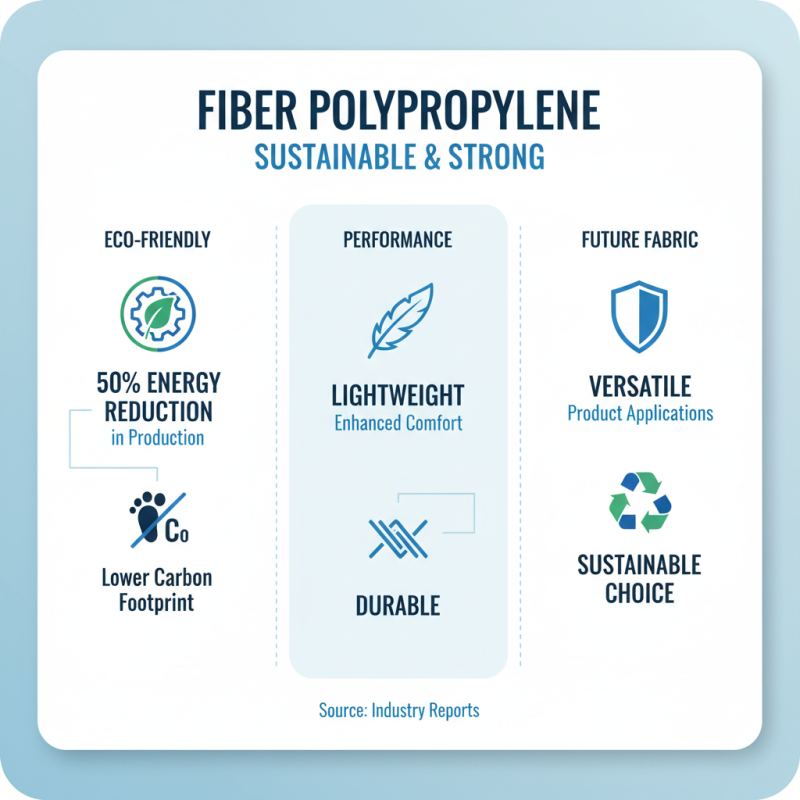
Fiber polypropylene (PP) is gaining traction in the sustainable product sector. Its lightweight nature enhances comfort and durability. According to industry reports, fiber PP can reduce energy consumption in production by an impressive 50%. This reduction in energy use underscores its potential to lower carbon footprints.
The properties of fiber polypropylene include high tensile strength and resistance to moisture. These features make it suitable for various applications, including textiles and packaging. In fact, a recent study highlighted that fiber PP exhibits a lifespan three times longer than conventional fabrics. However, its full recyclability is still a subject of debate among experts.
While fiber polypropylene holds promise, challenges remain. The production process can emit volatile organic compounds (VOCs), potentially impacting air quality. Ongoing research aims to refine these processes to minimize environmental impact. Industry leaders stress the importance of investing in sustainable practices, but achieving this requires a commitment to continual improvement.
Environmental Impact of Fiber Polypropylene Compared to Alternatives
Fiber polypropylene has emerged as a leading material in sustainable product development. Its environmental impact significantly differs from alternatives such as cotton and synthetic fibers. A study by the Textile Exchange noted that the production of virgin polypropylene results in 75% lower greenhouse gas emissions compared to cotton. This is crucial, especially as cotton requires extensive water resources and pesticide use.
Furthermore, fiber polypropylene boasts a high recyclability rate. According to the Ellen MacArthur Foundation, only 14% of plastics are recycled globally. However, fiber polypropylene, when properly managed, can be recycled multiple times, reducing overall waste. Its lightweight nature also contributes to lower transportation emissions.
Despite its benefits, fiber polypropylene is not without challenges. Its production still relies on fossil fuels, raising concerns over sustainability. Additionally, a lack of widespread recycling infrastructure limits its potential. As consumers, we must continue to advocate for improvements in recycling systems. This ensures fiber polypropylene can fulfill its promise as a truly sustainable option.
Applications of Fiber Polypropylene in Sustainable Products
Fiber polypropylene is gaining traction in various sustainable products. Its lightweight nature and durable strength make it ideal for applications like eco-friendly bags and insulation materials. These bags can replace single-use plastics, reducing environmental impact. Fiber polypropylene is also used in sustainable clothing, offering a versatile option for the fashion industry.
The construction sector increasingly leverages fiber polypropylene for geotextiles. These materials help in soil stabilization and erosion control. This use supports sustainable building practices by minimizing resource extraction. Yet, the recycling of this material poses challenges. Not all types of polypropylene are readily recyclable, leading to potential waste issues.
Another notable application is in automotive interiors. Manufacturers are exploring fiber polypropylene for parts like door panels and seat covers. This shift not only contributes to lower vehicle weight but also enhances fuel efficiency. However, the industry's move toward fiber polypropylene must address sustainability in production processes. Overall, while fiber polypropylene shows promise, ongoing efforts are needed to maximize its environmental benefits.
Applications of Fiber Polypropylene in Sustainable Products
Fiber polypropylene has diverse applications across various industries, showcasing its importance in sustainable products. The chart above illustrates the percentage of use cases in different categories where fiber polypropylene is predominantly utilized.
Benefits of Using Fiber Polypropylene for Manufacturers
Fiber polypropylene (PP) has quickly become a popular choice among manufacturers focused on sustainability. Its lightweight and durable nature makes it ideal for a wide range of products. This material offers excellent resistance to moisture, pests, and chemicals, which is essential for maintaining product integrity over time.
By utilizing fiber polypropylene, manufacturers can minimize their environmental impact. This material is derived from fossil fuels and is recyclable, presenting an opportunity to reduce waste in the production process. Many manufacturers report lower energy costs when producing goods with fiber polypropylene, further enhancing its appeal. Adopting such sustainable materials allows companies to align their values with eco-conscious practices, appealing to a growing market segment.
However, it's important to note that not all fiber polypropylene products are created equal. Some variations may not meet the same sustainability standards as others. Manufacturers must carefully assess the sources and processing of fiber polypropylene to ensure genuine eco-friendliness. Balancing cost with quality presents a challenge that requires attention and careful consideration. This ongoing journey toward sustainability demands a commitment to constant improvement and innovation.
Why Fiber Polypropylene is the Preferred Choice for Sustainable Products? - Benefits of Using Fiber Polypropylene for Manufacturers
| Benefit |
Description |
Environmental Impact |
Cost-Effectiveness |
| Durability |
Fiber polypropylene is highly resistant to wear and tear. |
Reduces waste due to longer product life. |
Lower long-term costs through reduced replacements. |
| Lightweight |
Easy to handle, transport, and install. |
Decreases fuel consumption in transportation. |
Saves on shipping and handling costs. |
| Recyclability |
Can be recycled at the end of its life cycle. |
Promotes circular economy practices. |
Potential tax benefits for recycling initiatives. |
| Chemical Resistance |
Resistant to various chemicals and solvents. |
Less risk of leaching harmful substances. |
Lower maintenance costs for chemical applications. |
| Versatility |
Can be used in a variety of applications. |
Encourages innovation in product development. |
Cost-effective solution for multiple uses. |
Consumer Perception and Market Trends for Fiber Polypropylene Products
In recent years, fiber polypropylene has gained significant attention in the sustainable products market. Consumers are increasingly aware of the materials they choose. This trend reflects a growing demand for eco-friendly alternatives that do not compromise quality. The perception of fiber polypropylene is shifting, with consumers recognizing its durability and recyclability. Many see it as a practical solution for reducing waste and supporting sustainability initiatives.
Tips: Always check the recycling symbols on fiber polypropylene products to ensure proper disposal. Understanding local recycling practices is essential for sustainability.
Market trends show a rising willingness to invest in sustainable products. Shoppers are more inclined to support brands that prioritize eco-friendly materials. However, there is still a gap in awareness. Some consumers may not fully understand the benefits of fiber polypropylene. Education is crucial to bridging this gap. The more consumers know, the better their choices will be.
Tips: Engage with brands directly about their materials. Ask questions about sourcing and production to make informed decisions.
As awareness grows, manufacturers are adapting their strategies. They are investing in research to improve fiber polypropylene’s sustainability profile. Yet, challenges remain. For many, the price point can be a deterrent. Some consumers may view sustainable options as less accessible. It’s a complex landscape, where the balance between cost and sustainability needs ongoing conversation and effort.