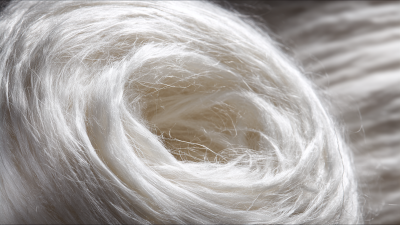
Why Choose Hollow Conjugated Siliconized Fiber for Your Projects?
Hollow Conjugated Siliconized Fiber is increasingly popular in various industries. According to Dr. Emily Hanson, a leading expert in fiber technology, "This fiber offers unmatched versatility for numerous applications." This statement resonates with many professionals as they explore innovative project solutions.
Many industries benefit from the unique properties of Hollow Conjugated Siliconized Fiber. Its lightweight and breathable characteristics make it ideal for textiles and insulation. However, the sheer variety of fibers available can make selecting the right one a challenging endeavor. Not all applications require siliconized fibers, and some projects may call for alternatives that provide specific benefits.
Reflecting on the complexities of this industry, Dr. Hanson emphasizes the need for careful consideration. "Choosing the right fiber is not just about performance; it's about understanding project needs." This advice invites a deeper look into how Hollow Conjugated Siliconized Fiber can support diverse projects while encouraging thoughtful evaluation of each situation.
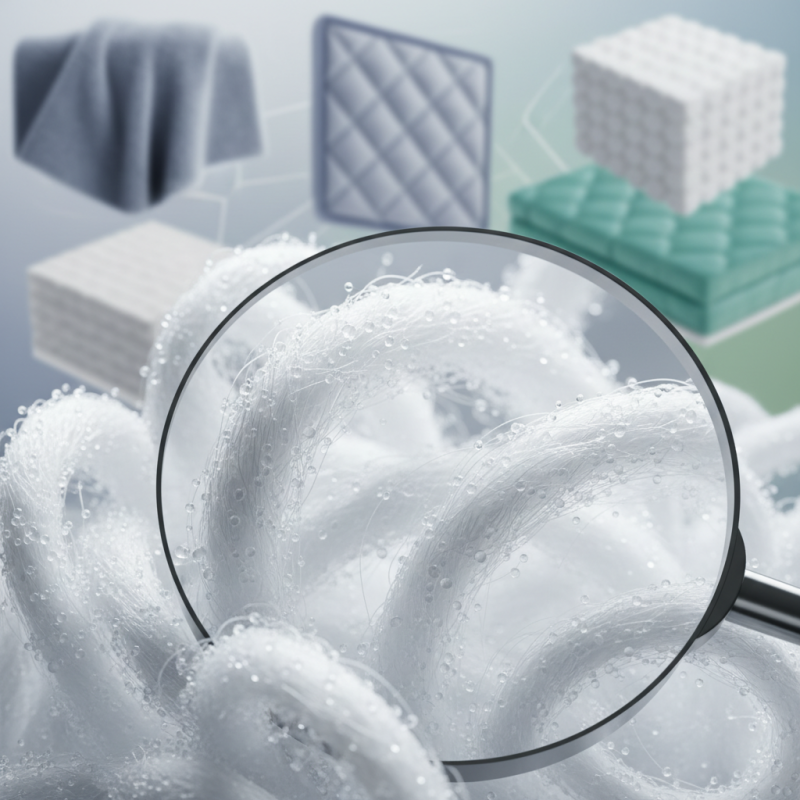
Understanding Hollow Conjugated Siliconized Fiber Characteristics
Hollow conjugated siliconized fiber has unique characteristics that make it an excellent choice for various projects. This fiber type is lightweight yet durable. Its hollow structure enhances insulation properties, making it ideal for thermal applications. The siliconized finish adds smoothness and resilience.
When selecting fiber, consider the specific needs of your project. For example, its ability to retain shape and resist compression is crucial in padding materials. However, it's important to evaluate aeration as well. In some cases, excessive insulation may lead to moisture retention.
Tip: Always test fibers in a small area. This helps determine compatibility with your desired application without major commitment. Keep an eye on how the fiber reacts to different conditions.
Moreover, the versatility of this fiber means it can be used in various industries. Yet, not every project may benefit equally from its properties. For instance, while it excels in comfort and thermal regulation, it may not always be the best choice for strength.
Tip: Consider mixing fibers. Combining different types can yield enhanced performance tailored to your needs. This approach often leads to innovative solutions.
Key Advantages of Using Hollow Conjugated Siliconized Fiber
Hollow conjugated siliconized fiber has become popular for various projects. It offers unique advantages that set it apart from other materials. The fiber's hollow structure enhances insulation, making it lighter. This can be beneficial when reducing the weight of fabrics or products. Additionally, the siliconized finish improves the fiber's durability and resistance to abrasion.
When considering this fiber, think about its versatility. It can be used in insulation, padding, and automotive applications. The hollow nature allows for better thermal regulation. This is crucial in environments where temperature control matters. It's important, however, to ensure that the right fiber density is selected for your specific needs.
Tips for using hollow conjugated siliconized fiber include conducting small tests before larger applications. This helps identify any unexpected behaviors in the material. Flexibility and adaptability are key benefits. Keep in mind that while the fiber is resistant, it may not be suitable for high-heat applications. Prioritize projects with moderate heat exposure for optimal results. Always balance durability with functional requirements in your designs.
Applications of Hollow Conjugated Siliconized Fiber in Different Industries
Hollow conjugated siliconized fiber is revolutionizing various industries. Its lightweight and durable nature makes it popular in textiles, automotive, and insulation applications. According to a recent industry report, this fiber's demand is projected to grow by 7% annually over the next five years. This growth is driven by the quest for sustainable materials in manufacturing.
In the textile industry, hollow conjugated fibers enhance fabric performance. They improve insulation properties and moisture management. Products made from this fiber are often lighter, providing comfort and warmth without bulk. The automotive sector also benefits significantly, using this fiber in seat cushions and interiors. This reduces vehicle weight, enhancing fuel efficiency.
**Tips:** When selecting materials, consider their environmental impact. Prioritize fibers that contribute to sustainability. Also, keep in mind the trade-offs between performance and cost. Sometimes, cheaper options may not meet quality standards. Always test material samples before large-scale production. Not every supplier offers consistent quality, so do thorough checks.
Applications of Hollow Conjugated Siliconized Fiber in Different Industries
Comparative Analysis of Hollow Conjugated Siliconized Fiber and Other Fibers
Hollow conjugated siliconized fiber stands out in various applications when compared to traditional fibers. Its unique structure incorporates air pockets that enhance insulation properties. This makes it ideal for insulation materials. Standard fibers, such as polyester or nylon, may not offer the same level of thermal efficiency.
In terms of durability, hollow conjugated siliconized fiber shows promising benefits. It is resistant to wear and tear, allowing it to maintain integrity over time. Other fibers might fray or lose strength with prolonged use. Yet, this fiber’s production process can be complex. Potential users should weigh the benefits against the cost and environmental impact of production.
Another area to consider is moisture resistance. Hollow conjugated siliconized fiber excels in moisture-wicking properties. This ability helps to keep users dry in various conditions. However, this may lead to a slight decrease in breathability compared to some natural fibers. Balancing these factors is crucial for anyone choosing the right material for their project.
Why Choose Hollow Conjugated Siliconized Fiber for Your Projects?
| Fiber Type |
Density (g/cm3) |
Thermal Resistance (°C) |
Moisture Absorption (%) |
Applications |
| Hollow Conjugated Siliconized Fiber |
0.9 |
200 |
1.5 |
Insulation fabrics, bedding, and automotive interiors |
| Hollow Polyester Fiber |
0.8 |
180 |
0.5 |
Stuffed toys, cushions, and insulation |
| Natural Cotton Fiber |
1.5 |
120 |
8.0 |
Clothing, bed linens, and upholstery |
| Fiberglass |
2.5 |
500 |
0.2 |
Insulation, reinforcement, and construction |