Best Uses of Hollow Conjugated Siliconized Fiber in Modern Textiles
Hollow Conjugated Siliconized Fiber has emerged as a groundbreaking material in the realm of modern textiles, offering a unique blend of performance, comfort, and versatility. This innovative fiber is characterized by its hollow structure and silicone finish, which not only enhances its soft touch but also contributes to thermal insulation properties. As the textile industry increasingly pivots towards sustainability and functionality, the incorporation of Hollow Conjugated Siliconized Fiber presents numerous advantages for both manufacturers and consumers alike.
One of the most significant applications of Hollow Conjugated Siliconized Fiber lies in the production of insulation materials for apparel and home textiles. Its lightweight nature combined with exceptional warmth retention makes it an ideal choice for winter clothing and bedding. Additionally, the fiber’s moisture-wicking capabilities ensure that garments remain comfortable during active use. Furthermore, the durability and resilience of this fiber type enable textiles to maintain their appearance and functionality over extended periods, solidifying its role as a staple in modern textile innovation.
In an era where consumer preference leans towards high-performance and sustainable materials, Hollow Conjugated Siliconized Fiber not only addresses these demands but also opens up new avenues for creative design and functionality. As we explore the best uses of this fiber in contemporary textiles, it becomes evident that its contribution transcends mere aesthetics, elevating the overall standard of textile quality and performance in today’s market.
Overview of Hollow Conjugated Siliconized Fiber in Textiles
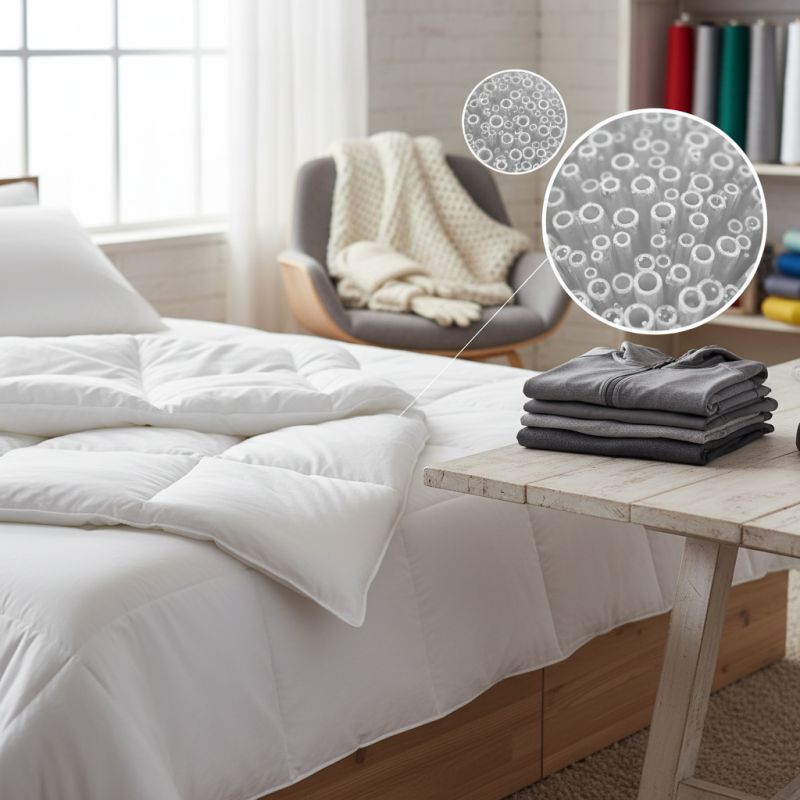
Hollow conjugated siliconized fiber is a revolutionary material in the textile industry, combining the beneficial properties of both hollow and siliconized fibers. The hollow structure of these fibers enhances insulation, allowing them to trap air and provide superior thermal properties, making them ideal for use in cold-weather apparel. This unique design not only enhances warmth but also contributes to lightweight textile constructions, which are increasingly sought after by consumers looking for comfort without sacrificing performance.
Moreover, siliconization imparts a smooth texture to the fibers, significantly improving their softness and handle. This characteristic makes hollow conjugated siliconized fibers particularly desirable for applications in products like bedding, activewear, and intimate apparel. The enhanced durability and resistance to wrinkling, combined with the ability to wick moisture away from the skin, elevate the performance of textiles made from this innovative fiber. As the demand for functional and comfortable fabrics continues to rise, the integration of hollow conjugated siliconized fiber into modern textiles offers compelling benefits for both manufacturers and consumers alike.
Best Uses of Hollow Conjugated Siliconized Fiber in Modern Textiles
Advantages of Hollow Conjugated Siliconized Fiber Over Traditional Fibers
Hollow conjugated siliconized fiber is rapidly gaining popularity in modern textiles, primarily due to its numerous advantages over traditional fiber materials. One of the most significant benefits is its enhanced insulation properties. The hollow structure of the fibers traps air, creating a barrier that retains warmth more effectively than denser, conventional fibers. This makes them an ideal choice for thermal apparel, as they ensure better heat retention while remaining lightweight, providing comfort without added bulk.
In addition to insulation, hollow conjugated siliconized fibers exhibit superior resilience and durability. Unlike traditional fibers that may break down or lose their shape over time, these siliconized fibers maintain their loft and structure even after repeated use and washing. This resilience translates to longer-lasting garments and reduced maintenance costs for consumers. Furthermore, the silicon treatment enhances moisture wicking properties, allowing sweat to evaporate quickly and keeping the wearer dry, which is particularly advantageous in activewear and sports apparel. Thus, the adoption of hollow conjugated siliconized fiber not only elevates the performance of textiles but also offers a sustainable and practical alternative to more conventional materials.
Best Uses of Hollow Conjugated Siliconized Fiber in Modern Textiles - Advantages of Hollow Conjugated Siliconized Fiber Over Traditional Fibers
| Feature |
Hollow Conjugated Siliconized Fiber |
Traditional Fibers |
| Weight |
Lighter and less dense |
Heavier and denser |
| Thermal Insulation |
Excellent insulation due to hollow structure |
Varies widely, generally less effective |
| Moisture Management |
Superior moisture-wicking properties |
Basic moisture control |
| Durability |
Highly durable with less pilling |
Can be less durable, prone to pilling |
| Siliconized Finish |
Provides a soft and silky feel |
Texture varies, often less smooth |
| Eco-friendliness |
Can be produced from recycled materials |
Depend on fiber type and production process |
Applications in Clothing: Performance and Comfort Enhancements
Hollow conjugated siliconized fiber has emerged as a game-changer in modern textiles, especially when it comes to enhancing the performance and comfort of clothing. This innovative fiber structure allows for increased insulation while maintaining a lightweight feel, making it ideal for outdoor and active wear. The combination of hollow fibers and siliconization creates a breathable fabric that effectively regulates body temperature, ensuring wearers stay comfortable in both warm and cool conditions.
When choosing garments made from hollow conjugated siliconized fiber, consider these tips: opt for layers to maximize insulation without added weight, and look for moisture-wicking properties to enhance comfort during physical activities. Additionally, garments that incorporate this fiber are often designed with stretchability in mind, allowing for unrestricted movement while maintaining a snug fit.
Furthermore, this fiber's ability to resist wrinkling and retain shape adds to its appeal. It is also less prone to pilling, resulting in longer-lasting wear. Parents and athletes alike will appreciate the durability and ease of care, making it a smart investment for any wardrobe. By selecting clothing made from hollow conjugated siliconized fiber, you are ensuring not only improved performance during activity but also enhanced overall comfort in daily wear.
Impact on Home Textiles: Bedding and Upholstery Innovations
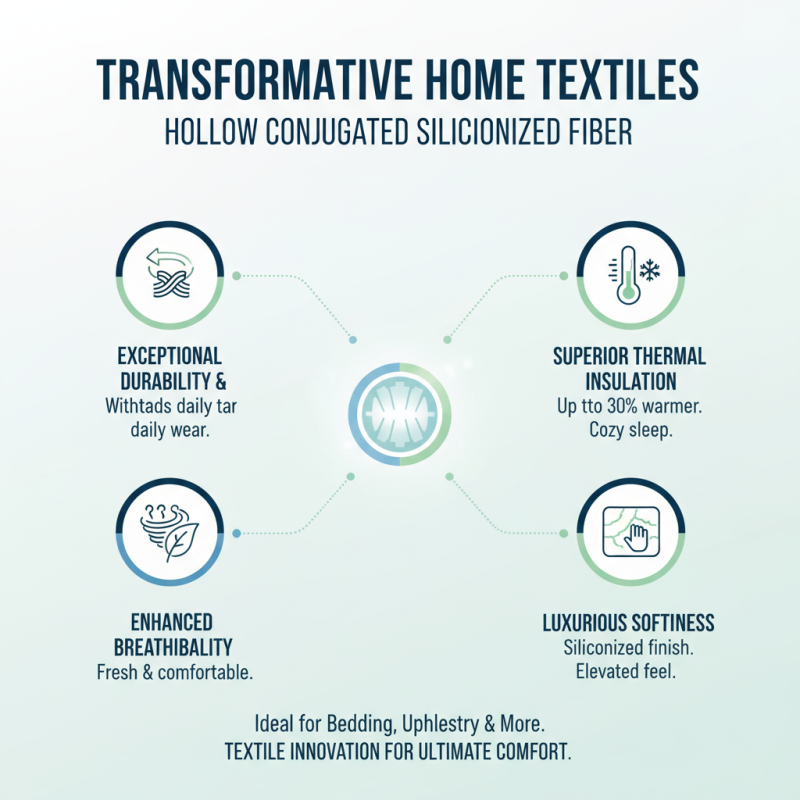
Hollow conjugated siliconized fiber has emerged as a transformative material in the realm of home textiles, particularly in bedding and upholstery. This innovative fiber offers exceptional durability, breathability, and resilience, making it an ideal choice for items that endure daily wear and tear. According to a report from the Textile Research Institute, the use of hollow conjugated fibers can enhance the thermal insulation of bedding products by up to 30%, ensuring a warm and cozy sleep environment without sacrificing comfort. Furthermore, the fiber's siliconized finish provides a soft, luxurious feel that elevates the overall aesthetic and tactile experience of home textiles.
In upholstery applications, hollow conjugated siliconized fiber contributes to improved resilience and shape retention, resulting in furniture that stays looking new longer. The fiber’s light weight and superior compressibility make it particularly suitable for use in cushions and seating, helping to reduce material costs while maintaining elegance and comfort. As per market analysis from the Home Textile Association, furniture covered with high-quality hollow conjugated fibers has shown a 25% increase in consumer satisfaction ratings compared to traditional materials.
Tips: When selecting textiles for bedding or upholstery, prioritize fabrics that incorporate hollow conjugated siliconized fibers for improved durability and comfort. Regular maintenance and gentle cleaning can enhance the longevity of these textiles, ensuring they continue to deliver their signature softness and resilience. Additionally, consider the environmental impact of your choices; many manufacturers now offer these fibers produced from recycled materials, contributing to a more sustainable home environment.
Sustainability Considerations in the Use of Hollow Fibers in Textiles
The use of hollow conjugated siliconized fiber in textiles showcases a significant advancement in both performance and sustainability. Hollow fibers are particularly appealing due to their lightweight nature and excellent thermal insulation properties, which reduce the need for additional materials and energy in production. By incorporating these fibers into textiles, manufacturers can create high-performance products that meet consumer demands for durability and comfort while minimizing resource consumption.
From a sustainability perspective, hollow fibers contribute to eco-friendly practices in the textile industry. Their structure allows for reduced fiber usage without compromising on quality, leading to less waste during production. Additionally, many hollow fibers are made from recycled materials or are designed to be recyclable themselves, which promotes a circular economy. The ability to produce high-quality textiles with lower environmental impact aligns with the growing demand for sustainable fashion, encouraging brands to adopt more responsible practices in their material choices and production methods. Through these innovations, the textile industry can move towards a more sustainable future, balancing performance with environmental responsibility.