2026 How to Source Polypropylene Microfibers Effectively?
In the rapidly evolving textile industry, sourcing polypropylene microfibers effectively has become a pressing challenge. Dr. Emily Carter, a noted expert in fiber technology, states, “The future of textiles lies in our ability to innovate sourcing methods for polypropylene microfibers.” This sentiment underscores the urgency for brands and manufacturers to adapt.
Polypropylene microfibers are essential for their lightweight and durable properties. Their applications span various sectors, including apparel, automotive, and cleaning products. However, sourcing them effectively requires a deep understanding of supply chains and sustainability. Many companies overlook the environmental impact during sourcing, leading to a cycle of inefficiency.
The journey to better sourcing is complicated. Brands must balance quality, cost, and sustainability. Collaboration with suppliers is key, yet many remain skeptical of transparency in the supply chain. Rethinking sourcing strategies could lead to improved innovation and trust. Addressing these aspects can enhance knowledge in the industry, paving the way for a more responsible approach to polypropylene microfibers.

Understanding Polypropylene Microfibers and Their Applications
Polypropylene microfibers are increasingly popular in various applications. They are lightweight, durable, and resistant to chemicals. These unique fibers have found their way into textiles, filtration systems, and even medical products. Understanding their properties is key to effective sourcing.
These microfibers feature a fine structure, often measuring less than one denier. This allows for excellent moisture-wicking capabilities. In textiles, they create soft, breathable fabrics. In filtration, they enhance performance by trapping smaller particles. However, sourcing requires careful consideration of quality and sustainability. Stronger fibers ensure longevity but can impact biodegradability.
While polypropylene microfibers offer advantages, they also pose environmental challenges. Their durability can lead to litter and water pollution. Many manufacturers are now seeking ways to mitigate these effects. Innovation in biodegradable additives is one area to explore. Responsible sourcing is essential to balance performance needs with environmental impacts.
2026 Polypropylene Microfibers Production and Application Overview
Identifying Reliable Suppliers for Polypropylene Microfibers
Finding trustworthy suppliers for polypropylene microfibers can be challenging. Start by researching potential manufacturers thoroughly. Look for companies with a solid track record. Verified reviews can provide insight into their reliability. Consider supplier certifications that ensure ethical and sustainable practices.
Tips: Prioritize transparency during discussions. Ask potential suppliers about their production processes. A supplier willing to share this information shows confidence and reliability. Engaging in direct communication can help establish trust.
Attend industry trade shows where suppliers gather. This gives you a chance to assess products firsthand. Build relationships with several suppliers to compare quality and pricing. Cultivating these connections can lead to better negotiation terms in the long run.
Tips: Use sample orders to evaluate microfiber quality. Don't overlook minor flaws in samples. They can indicate larger issues in bulk orders later. Take your time to find the right partnership; it can significantly impact your business’s success.
Assessing Quality Standards for Polypropylene Microfiber Sourcing
Sourcing polypropylene microfibers requires attention to quality standards. With the increasing demand for nonwoven fabrics, the focus on quality cannot be overlooked. Recent industry reports indicate that the global demand for polypropylene microfibers could reach $14 billion by 2026. This surge highlights the importance of ensuring that sourced materials meet specific quality benchmarks.
Assessing quality standards involves examining the fiber's denier, tensile strength, and elongation. High-quality microfibers typically feature a denier of 0.5 to 1.0, offering superior softness and strength. It's crucial to source materials that not only meet these metrics but also comply with environmental regulations, as sustainability becomes more vital in the textile industry. Microfibers should ideally undergo rigorous testing for contaminants and performance characteristics.
Tip: Always request certification documents when sourcing.
Another vital aspect is the supplier's production capabilities. Responsible suppliers implement best practices and maintain transparency in their processes. It's advisable to visit manufacturing facilities when possible. This gives insights into their operational integrity.
Tip: Establish relationships with suppliers who demonstrate commitment to quality.
Reflecting on sourcing strategies can be beneficial. There may be instances where costs outweigh quality. Prioritizing quality over price ensures the longevity and reliability of products. Making informed sourcing choices can significantly impact long-term outcomes in the microfiber market.
Evaluating Cost-Effectiveness in Polypropylene Microfiber Purchase
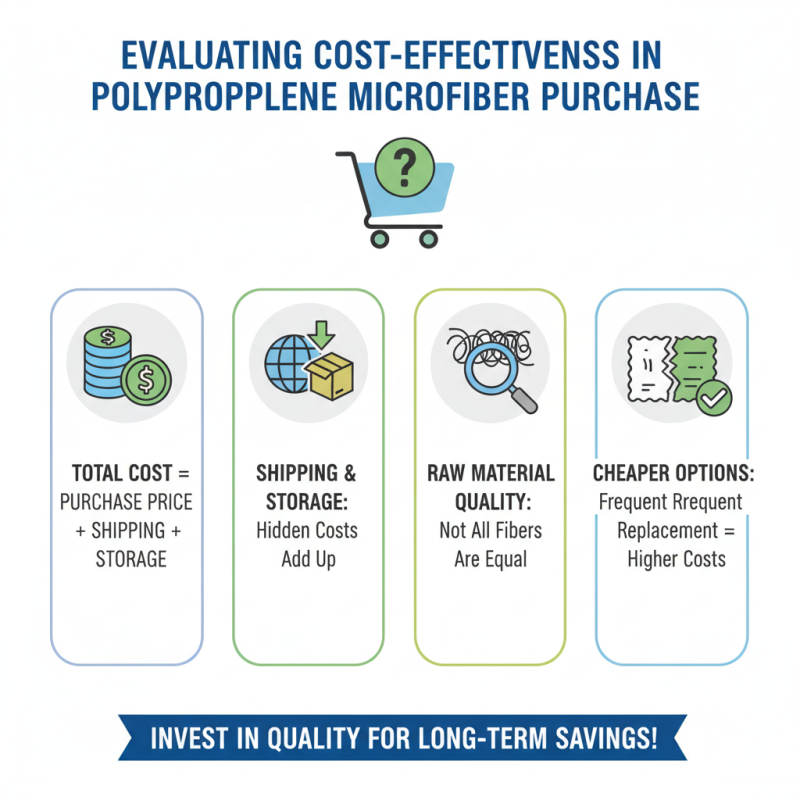
When sourcing polypropylene microfibers, cost-effectiveness is key. Understanding the total cost is more than just the purchase price. Consider shipping, storage, and raw material quality. Sometimes, cheaper options can lead to higher costs. Low-quality fibers can wear out quickly, increasing replacement frequency.
Evaluate suppliers carefully. Look for those with a reputation for quality. Certified suppliers often maintain higher standards in production. The origin of the microfibers affects their durability and performance. Quality checks and certifications can provide reassurance. However, not all certifications are equal.
Ask for samples before committing. Testing microfiber samples can reveal crucial performance characteristics. You might find that some fibers feel good but don’t perform well in practical use. Be prepared for some trial and error. Balancing cost and performance requires ongoing refinement. Continuous evaluation leads to more informed decisions.
Exploring Sustainable Practices in Sourcing Polypropylene Microfibers
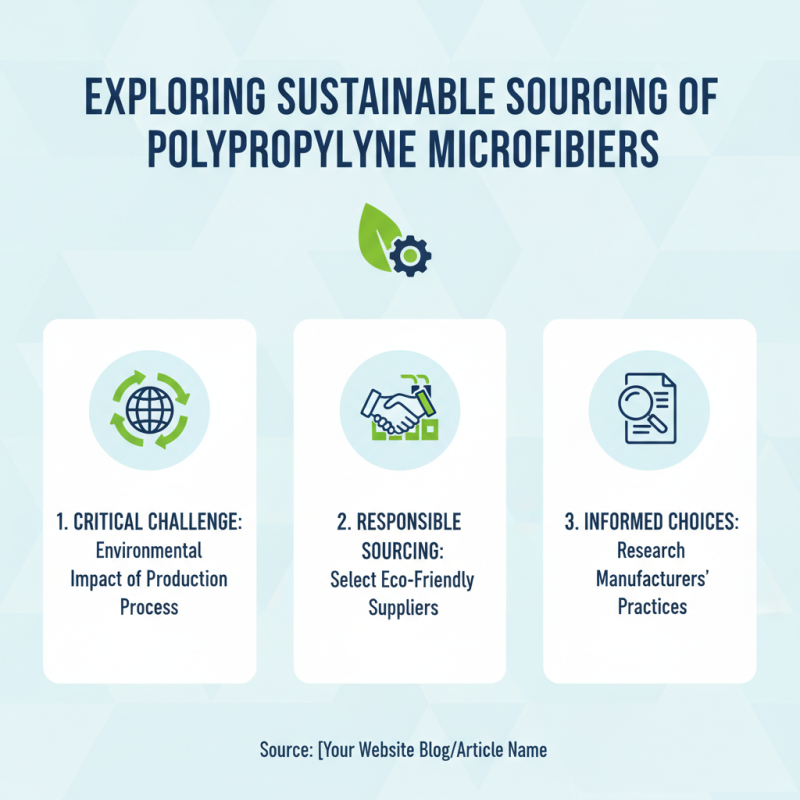
Sourcing polypropylene microfibers sustainably is a critical challenge. The production process can impact the environment significantly. Hence, selecting responsible suppliers is essential. Conducting thorough research helps identify manufacturers that prioritize eco-friendly practices.
Transparency in sourcing is vital. Many suppliers provide information about their production methods. Look for those who use recycled materials or employ energy-efficient processes. Certifications can also indicate sustainable practices. However, these labels can sometimes be misleading, requiring careful scrutiny.
Engaging with suppliers can lead to better partnerships. Visit production sites when possible to assess environmental impacts directly. Conversations with manufacturers may reveal hidden sustainability efforts. By prioritizing ethical sourcing, businesses can contribute to a more sustainable future for polypropylene microfibers, enhancing their overall reputation.