What is Hydrophilic Fiber and Its Benefits for Global Buyers?
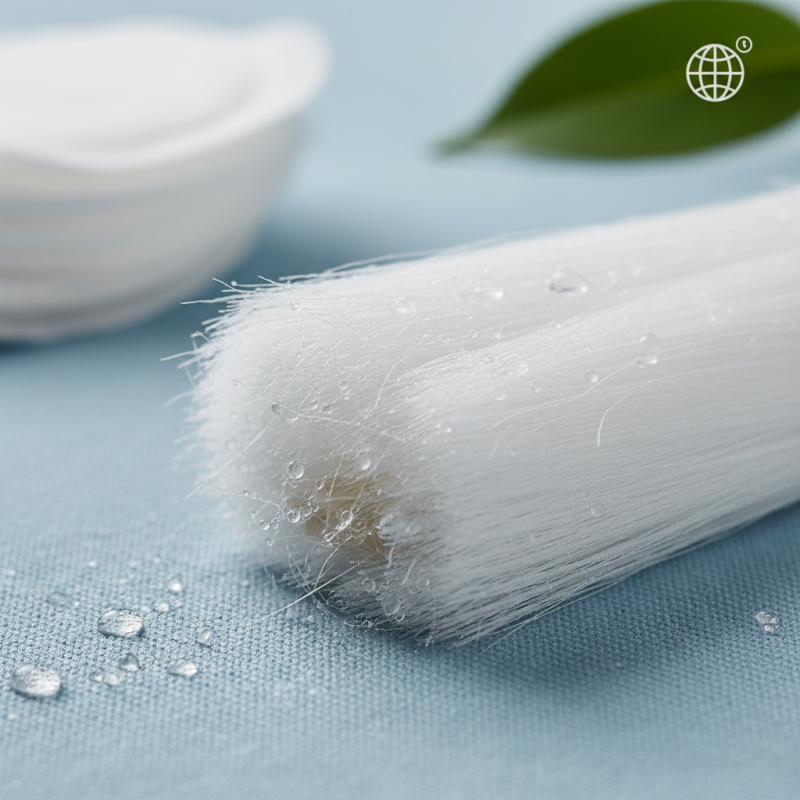
Hydrophilic Fiber is becoming a key component in various industries. Its unique properties make it an attractive option for manufacturers and consumers alike. This fiber is designed to absorb moisture efficiently. For global buyers, understanding the benefits of Hydrophilic Fiber is essential.
The versatility of Hydrophilic Fiber offers numerous applications. From textiles to medical supplies, its moisture-wicking capabilities enhance product performance. Buyers can leverage these benefits for competitive advantage. However, navigating the market requires informed decisions. It’s vital to assess the quality and source of the fiber.
As the demand for sustainable materials rises, Hydrophilic Fiber stands out. This fiber can contribute to eco-friendly practices. Buyers must consider both its advantages and potential drawbacks. Challenges in sourcing and quality assurance may arise. Engaging with reliable suppliers is crucial to mitigate these risks.
What is Hydrophilic Fiber?
Hydrophilic fiber is a unique type of material that attracts water molecules. This characteristic makes it an excellent choice for various applications. The fibers can absorb moisture, making them suitable for clothing that needs to wicks away sweat. The comfort and breathability they provide are crucial during physical activities. Additionally, these fibers can enhance hygiene by keeping skin dry and reducing bacterial growth.
Healthcare and sports industries have embraced hydrophilic fibers for their benefits. In medical textiles, these fibers help manage moisture around wounds. In athleticwear, they improve performance by maintaining a comfortable body temperature. Buyers benefit from the versatility and functionality of these materials.
However, not all hydrophilic fibers are created equal. Some may lack durability, wearing down faster than expected. Additionally, the production process can impact environmental sustainability. Buyers need to consider the balance between performance and eco-friendliness.
Overall, understanding the properties of hydrophilic fiber is essential for making informed purchasing decisions.
Characteristics and Properties of Hydrophilic Fiber
Hydrophilic fibers are materials that attract and absorb moisture. They are commonly used in textiles and personal care products. These fibers offer unique characteristics that are highly beneficial for global buyers.
One key property of hydrophilic fibers is their absorbency. Industry reports indicate that hydrophilic fibers can absorb moisture up to 1,000 times their weight. This feature makes them ideal for applications requiring high absorbency, such as in activewear and sanitary products. Additionally, these fibers provide comfort by promoting breathability, reducing skin irritation, and maintaining temperature regulation.
Tips: When selecting hydrophilic fibers, consider their durability. Some fibers may lose their absorbency and comfort over time. It's essential to assess the fiber's washing, drying, and wearability features.
Another important characteristic is their biodegradability. Many hydrophilic fibers are derived from natural sources, making them more environmentally friendly than synthetic alternatives. Reports show that transitioning to these fibers can reduce environmental impact by up to 30% in textile production. However, the production process can vary, and some hydrophilic fibers may not be as eco-friendly as advertised. Buyers should research manufacturers and prioritize transparency in sourcing.
Tips: Ask about the sourcing of fibers. Ensure they align with your sustainability goals. Understanding the lifecycle of the product can guide more informed purchasing decisions.
Major Types of Hydrophilic Fibers in the Market
Hydrophilic fibers are vital in various industries, particularly in textiles and hygiene products. These fibers attract water and moisture, making them essential for absorbency. Cotton and rayon are common types of hydrophilic fibers. According to a 2022 market report, the global hydrophilic fiber market was valued at approximately $2.5 billion, with cotton dominating the segment due to its natural properties.
In addition to cotton, other notable types include lyocell and modal. Both are derived from cellulose and have gained popularity due to their eco-friendliness. The demand for modal fibers has surged, witnessing a growth rate of over 7% annually since 2018. These fibers are soft, breathable, and biodegradable, appealing to environmentally conscious consumers. However, potential drawbacks include the energy-intensive production process, which may hinder sustainability claims.
Polyester is also popular but less hydrophilic compared to natural options. New advancements in technology have allowed for improved moisture-wicking properties in synthetic fibers. Yet, synthetic options often face criticism regarding their environmental impact. Consumers increasingly demand transparency about the sourcing and production of these materials. The need for reliable data on environmental practices remains crucial as buyers navigate choices in hydrophilic fibers.
Advantages of Hydrophilic Fiber for Consumers and Industries
Hydrophilic fibers are materials that attract and absorb water efficiently. These fibers play a crucial role in many industries, from textiles to medical applications. Their ability to wick away moisture makes them ideal for activewear and personal care products. A report by the Textile Research Journal highlights that hydrophilic fibers can increase comfort and functionality in clothing, boosting consumer satisfaction.
For consumers, hydrophilic fibers offer significant advantages. They help regulate body temperature by managing sweat. In industries, these fibers provide durability and resistance to environmental factors. A study by the Journal of Applied Polymer Science states that hydrophilic fibers can improve product longevity. This added value appeals to manufacturers, driving demand worldwide.
Tip: When selecting hydrophilic fiber products, consider the specific moisture-wicking properties. Check certifications that indicate performance standards. Understanding these details can help consumers choose the right materials for their needs. Additionally, some products may not perform as expected in all conditions, reminding buyers to research before purchasing. It's essential to weigh the benefits and potential limitations carefully.
Benefits of Hydrophilic Fiber for Consumers and Industries
Applications of Hydrophilic Fiber in Various Sectors
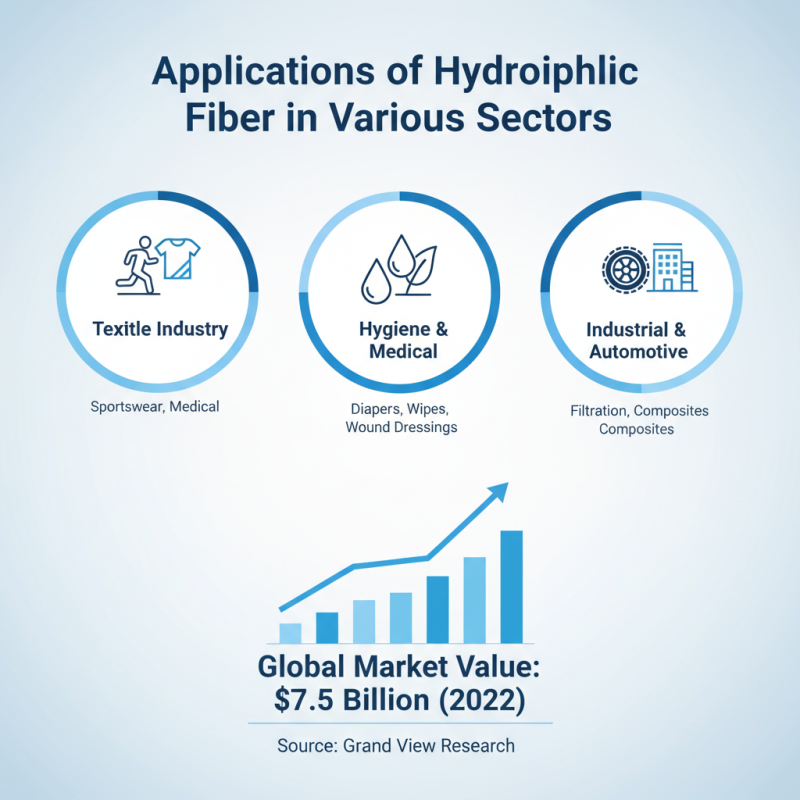
Hydrophilic fibers have gained traction across various industries due to their unique properties. These fibers are known for their ability to absorb moisture and maintain comfort. In the textile industry, hydrophilic fibers are widely used in sportswear and medical textiles. According to a report by Grand View Research, the global hydrophilic fiber market size was valued at USD 7.5 billion in 2022, showing a steady growth trajectory.
In medical applications, hydrophilic fibers play a crucial role in wound dressings and surgical garments. Their innate moisture-wicking ability helps to keep the wounded area dry and promotes faster healing. A study published by the Journal of Biomaterials highlighted that hydrophilic fibers can enhance patient comfort significantly. Meanwhile, in the home textiles sector, they offer properties that resist staining and improve durability, appealing to manufacturers aiming for sustainability.
Despite their advantages, challenges remain. While the demand for hydrophilic fibers grows, sourcing sustainable materials can be complex. Additionally, the production processes may lead to environmental concerns if not managed properly. These aspects require ongoing evaluation. The hydrophilic fiber industry must address these vulnerabilities to strengthen its market position effectively.