How to Choose Hygienic Food Packaging for Safe and Fresh Products
In an increasingly health-conscious world, the significance of choosing the right Hygienic Food Packaging cannot be overstated. As consumers become more aware of the impact of food safety on their well-being, the demand for packaging that ensures freshness and protects food from contamination has surged. Hygiene in food packaging not only enhances the longevity of products but also plays a critical role in reducing foodborne illnesses, safeguarding both consumers and food businesses alike.
When selecting Hygienic Food Packaging, various factors come into play, including material selection, design, and the protection against environmental elements. Effective packaging should provide a barrier to moisture, air, and microbes, which can compromise food quality. Additionally, the choice of packaging should align with the nature of the product itself, whether it’s dry, refrigerated, or ready-to-eat, ensuring that the food items remain fresh and safe from spoilage throughout their shelf life.
Ultimately, understanding the principles behind Hygienic Food Packaging empowers both producers and consumers to make informed decisions. By prioritizing hygiene in food packaging, we can contribute to a healthier food supply chain, fostering trust in the products we consume and ensuring that they maintain their intended flavor, texture, and nutrition until they reach our tables.
Understanding the Importance of Hygienic Food Packaging
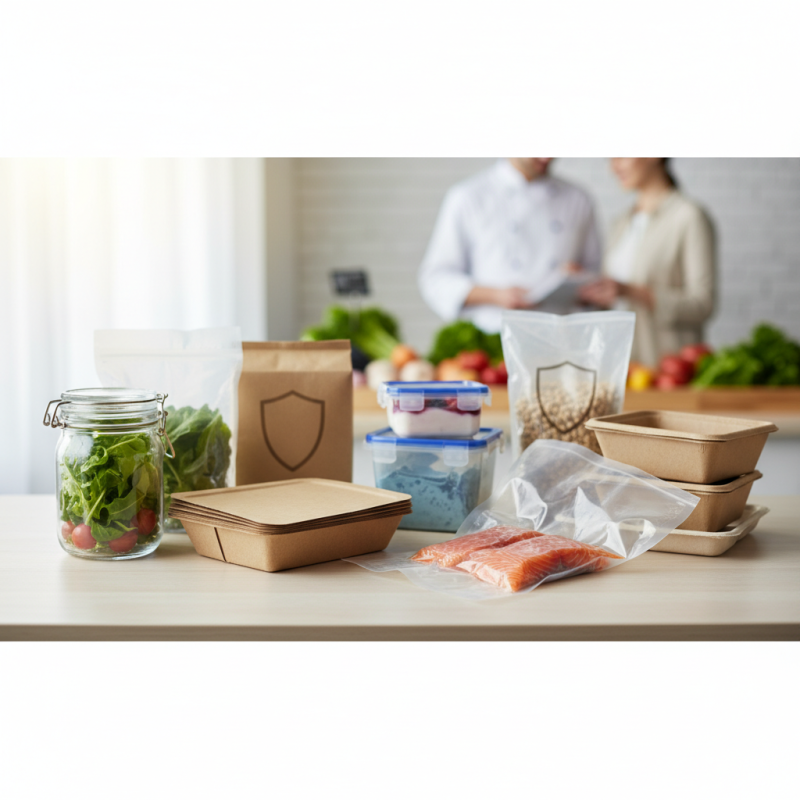
Hygienic food packaging plays a crucial role in preserving the safety and freshness of food products. Understanding its importance begins with recognizing the direct impact packaging has on food quality. Good packaging acts as a barrier against contaminants such as dirt, bacteria, and moisture, which can compromise the integrity of the food. This is especially vital in maintaining the nutritional value of perishable items, as they are more susceptible to spoilage. Moreover, hygienic packaging can extend shelf life, reducing food waste and ensuring that consumers receive products that are not only safe but also fresh.
Additionally, the choice of materials used in food packaging is essential for maintaining hygiene. Materials should be non-toxic and able to withstand various environmental factors without breaking down or leaking harmful substances into the food. Sustainable options are increasingly gaining attention, as they provide hygienic solutions while also being environmentally responsible. By focusing on the functionality and safety features of packaging materials, food producers can foster consumer trust and satisfaction, knowing that their products are delivered in a manner that prioritizes health and well-being.
Types of Food Packaging Materials and Their Hygiene Standards
When it comes to food safety, the choice of packaging materials plays a crucial role in maintaining the hygiene of products. Different materials come with specific hygiene standards, which are vital for ensuring that food remains safe and fresh. For instance, plastics, such as polyethylene and polystyrene, are widely used due to their lightweight nature and moisture resistance. According to a report by the Food Packaging Institute, about 65% of food products utilize plastic packaging, but it’s essential to ensure that the plastics used are food-grade and free from harmful chemicals.
Other materials like glass and metal also hold significant advantages. Glass packaging is not only impermeable but also non-reactive, making it ideal for preserving the purity of food items. The global glass packaging market is projected to grow at a CAGR of 4.4% from 2021 to 2026, driven by consumer preference for sustainable materials. On the other hand, metal packaging, particularly aluminum, is known for its barrier properties against light, oxygen, and moisture, which are essential for extending shelf life. The recycling rates for metal packaging are impressive, hovering around 75%, indicating a strong public inclination towards eco-friendly practices.
Furthermore, the hygiene protocols for these materials are enforced by various food safety standards, including those set by the FDA and ISO. These standards ensure that packaging materials do not leach harmful substances into food and inhibit the growth of pathogens. A study published in the Journal of Food Protection indicated that improper packaging can lead to an increased risk of contamination, emphasizing the need for businesses to prioritize hygienic packaging choices as a key component of food safety strategies.
Key Features to Look for in Safe Food Packaging Solutions
When selecting food packaging, safety and hygiene are paramount to ensure that products remain fresh and free from contaminants. Key features to look for in safe food packaging solutions include materials that are non-toxic and environmentally friendly. According to a report by the Food Packaging Forum, over 70% of consumers prioritize the safety of packaging materials, highlighting the importance of choosing options that do not leach harmful chemicals into food.
Tips: Always opt for packaging made from BPA-free materials, as research shows that Bisphenol A can affect endocrine function and pose health risks. Additionally, consider the barrier properties of the packaging; solutions that provide an effective barrier against moisture, air, and light can significantly prolong the shelf life of food products.
Another essential feature is the integrity of the packaging. Ensuring that packages are tamper-evident and made from puncture-resistant materials can greatly reduce the risk of contamination. A study conducted by the Institute of Food Technologists found that nearly 60% of consumers are more likely to purchase products that they perceive as having superior packaging integrity.
Tips: Look for certifications such as FDA compliance or ISO standards when selecting food packaging. These certifications are indicators of a product's safety and reliability, giving consumers confidence in their choices. Prioritizing advanced packaging technologies can further enhance freshness, as innovations like vacuum sealing and modified atmosphere packaging are scientifically proven to extend product lifespan and maintain optimal quality.
Best Practices for Storing and Handling Packaged Food
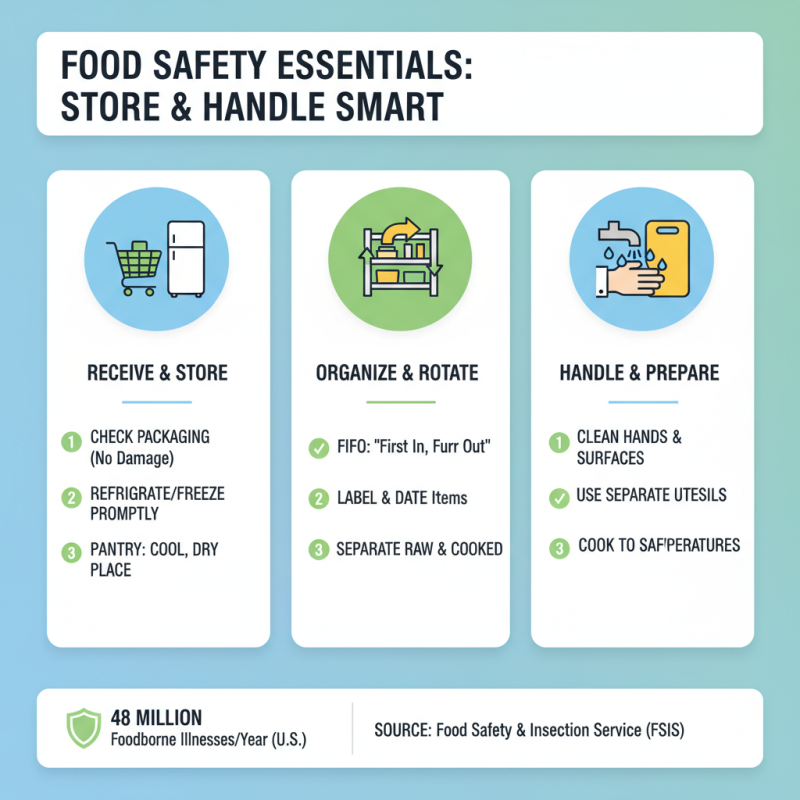
When it comes to storing and handling packaged food, adhering to best practices is essential for maintaining freshness and ensuring safety. According to a report by the Food Safety and Inspection Service, improper food handling is responsible for nearly 48 million foodborne illnesses annually in the United States alone. To mitigate such risks, consumers should follow strict guidelines to ensure that their food remains uncontaminated and retains its quality.
One crucial tip is to always check for any physical damage or leaks in packaging before purchase. Damaged packaging can compromise food safety and lead to spoilage. Additionally, once at home, it’s important to store packaged food in proper conditions. Most packaged products should be kept in a cool, dry place, as exposure to heat and moisture can hasten deterioration. For perishables, maintaining the right temperature in the refrigerator, ideally below 40°F (4°C), is vital to slowing down bacterial growth.
Furthermore, when handling packaged food, always remember to wash your hands before and after touching the packaging. This simple step can significantly reduce the risk of cross-contamination. Opening packaged foods over a clean surface and using clean utensils can also help prevent any transfer of harmful bacteria. Following these best practices can help ensure that your food remains safe and fresh for consumption.
Regulatory Guidelines and Certifications for Food Packaging Hygiene
When considering hygienic food packaging, understanding regulatory guidelines and certifications is paramount for ensuring safe and fresh products. Food packaging is governed by various regulations that aim to minimize contamination and preserve food quality. In the United States, the Food and Drug Administration (FDA) provides guidelines that dictate the safety of materials used in food contact packaging. Similarly, European legislation, such as Regulation (EC) No 1935/2004, establishes that materials should not release harmful substances into food. These regulations ensure that packaging materials are thoroughly tested for safety and are essential for consumer protection.
Certifications also play a crucial role in the selection of food packaging materials. For instance, products that meet the requirements of the ISO 22000 standard demonstrate compliance with international food safety management protocols. Research indicates that nearly 40% of consumers consider certifications as a key factor when purchasing packaged food, according to a report by Mintel. Certifications such as the Global Food Safety Initiative (GFSI) also provide assurance that manufacturers meet high standards of hygiene throughout the supply chain. Understanding these guidelines and certifications helps businesses choose reliable food packaging solutions, ultimately protecting public health and maintaining product integrity.
Hygienic Food Packaging Compliance by Certification Type