What is Polyester Staple and How to Source It Efficiently?
Polyester Staple is a crucial material in the textile industry. It is widely used in clothing, home textiles, and other applications. According to a report by Textile World, the global demand for Polyester Staple is projected to grow by over 5% annually through 2025. This growth emphasizes the importance of efficient sourcing strategies.
Industry expert Dr. Emily Carter states, "The quality of Polyester Staple significantly affects the end product." This highlights the need for manufacturers to focus on sourcing high-quality materials. Sourcing Polyester Staple efficiently can be challenging. Factors such as supplier reliability and material specifications must be considered.
In a market where sustainability is becoming increasingly important, choosing eco-friendly suppliers is essential. Many manufacturers struggle to balance quality and cost. This presents an opportunity to reflect on sourcing methods. Companies must continually assess their supply chains to stay competitive in the evolving landscape of Polyester Staple production.

Definition and Properties of Polyester Staple Fiber
Polyester staple fiber is a versatile material widely used in textiles. It is derived from polyester resin, which is melted and extruded to form long filaments. These filaments are then cut into shorter lengths, creating staple fibers. Polyester staple fiber offers numerous benefits, including durability, wrinkle resistance, and moisture-wicking properties. These characteristics make it ideal for a variety of applications, from clothing to home textiles.
The properties of polyester staple fiber contribute to its popularity. It is lightweight and has a high tensile strength, making it less prone to damage. Additionally, it resists shrinkage and stretching. Many manufacturers value its ability to retain color and resist fading over time. However, sourcing polyester staple fiber can be challenging. The market is filled with various suppliers, making it essential to evaluate quality and price. Engaging with multiple vendors may reveal inconsistencies in product standards. Investing time in supplier relationships can lead to better outcomes.
Properties of Polyester Staple Fiber
This bar chart represents the key properties of Polyester Staple Fiber, illustrating its strength, elongation, moisture absorption, thermal stability, and density. These characteristics are essential for understanding the performance and applications of polyester staple in the textile industry.
Common Applications of Polyester Staple in the Industry
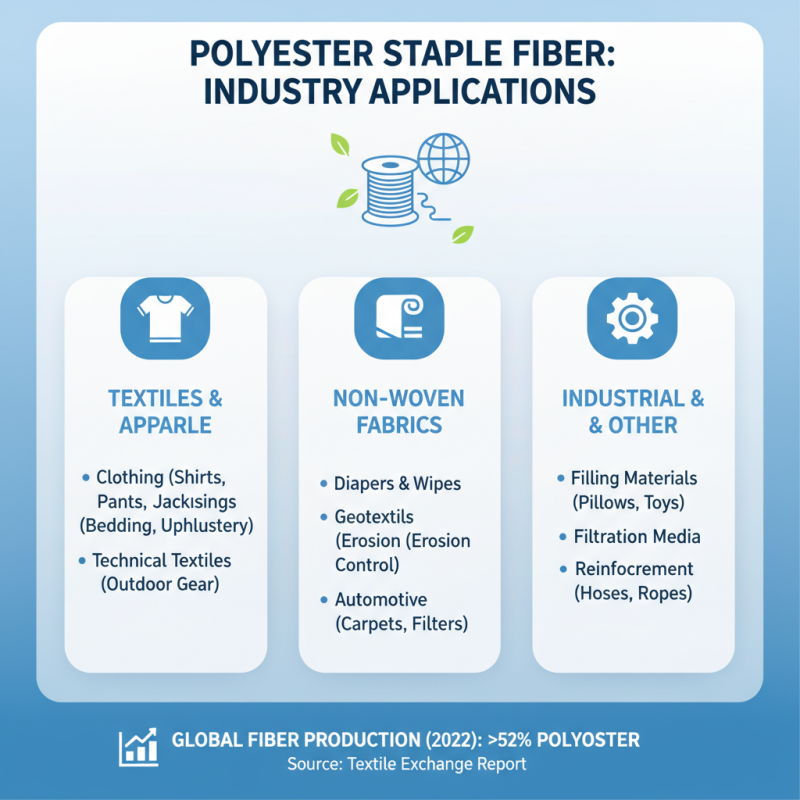
Polyester staple fibers are a cornerstone in various industries. Their versatility makes them suitable for multiple applications. Notably, in the textile industry, they are extensively used in clothing and home furnishings. According to a 2022 report by the Textile Exchange, polyester accounted for over 52% of global fiber production. This emphasizes its dominance in the market.
In addition to textiles, polyester staple fibers are critical in non-woven products. These include diapers, filters, and insulation materials. A recent study indicated that the global non-woven fabric market is expected to reach $50 billion by 2026, largely driven by polyester staple usage. The properties of these fibers, such as durability and resistance to moisture, make them ideal for such applications.
However, sourcing polyester staple efficiently remains a challenge. The demand fluctuates, and prices can vary widely. Ensuring a reliable supply chain is crucial. Many companies explore sustainable sourcing methods. Adopting recycled polyester can reduce costs and environmental impact. Addressing these issues requires collaboration across the industry. Continuous improvement is necessary to meet demands while minimizing drawbacks.
Key Factors to Consider When Sourcing Polyester Staple
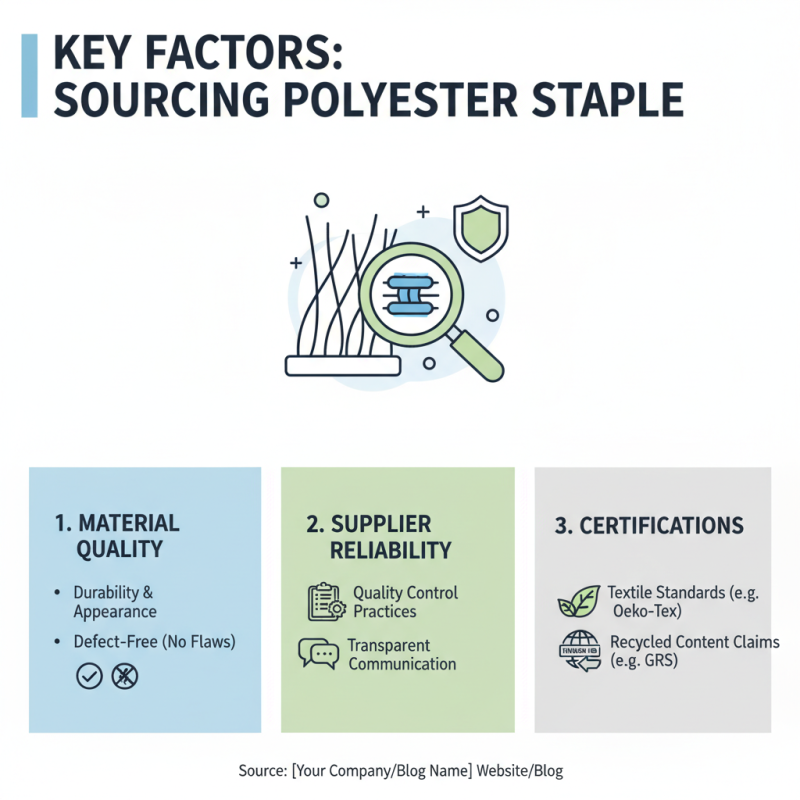
When sourcing polyester staple, there are several key factors to consider. The quality of the material is paramount. It affects the final product's durability and appearance. Ensure that the polyester is free from defects, as even minor flaws can lead to significant issues down the line. Communicating with suppliers about their quality control practices can provide insights into their reliability.
Sourcing location also plays a crucial role. Different regions may offer varying costs and quality. Research the market trends and logistics of shipping. Local suppliers might reduce shipping costs and time but may lack specific qualities. This can lead to difficult decisions. Building relationships with multiple suppliers helps in understanding their strengths and weaknesses better.
Another important aspect is environmental impact. Polyester, being a synthetic fiber, poses ecological concerns. Look for suppliers focusing on sustainable practices. Transparency in sourcing and production can build trust and ensure ethical compliance. However, finding a balance between quality, cost, and sustainability can be challenging. Reflect on your needs and priorities to make informed decisions.
Methods for Efficient Sourcing of Polyester Staple Fiber
Sourcing polyester staple fiber efficiently requires a strategic approach. Start by identifying reliable suppliers. Research their production capabilities and material quality. Reliable suppliers should provide transparent information about their manufacturing processes. This establishes trust and ensures you are getting the right product.
Evaluate the suppliers' certifications and standards. Check for industry certifications that validate their quality and sustainability practices. This adds another layer of assurance. Engage with supplier representatives directly. Ask questions about their sourcing and production strategies. Good communication helps clarify any uncertainties.
Consider bulk purchasing for cost efficiency. Buying larger quantities can lower per-unit costs. However, ensure that you can manage the inventory. This approach might lead to waste if demand fluctuates. Finally, stay informed about market trends to adapt your sourcing strategy. This awareness can prevent you from overcommitting to a supplier during market fluctuations. Always keep an eye on emerging suppliers who may offer innovative solutions at competitive prices.
Sustainability and Innovations in Polyester Staple Production
Sustainability in polyester staple production is gaining urgency. The industry faces mounting pressure to reduce its environmental footprint. Innovations play a key role in achieving this goal. Many manufacturers are exploring recycled materials. They transform waste plastics into new fiber products. This process helps mitigate the reliance on virgin petrochemical resources.
Moreover, advancements in technology enhance efficiency in production. New methods lower energy consumption and waste generation. Despite these promising trends, challenges remain. Not all recycled polyester meets quality standards. Some products may lack durability or softness. This creates uncertainty for manufacturers and consumers alike.
Industry stakeholders must collaborate for better solutions. Research organizations and producers can work together. By sharing experiences and developing new technologies, they can create more sustainable systems. It requires commitment and a willingness to adapt. Continuous improvement and transparency will lead to better outcomes for everyone involved.
What is Polyester Staple and How to Source It Efficiently? - Sustainability and Innovations in Polyester Staple Production
| Dimension |
Details |
| Definition |
Polyester staple is a type of short fibers made from polyester that is typically used in textiles and nonwoven applications. |
| Applications |
Used in clothing, upholstery, insulation, and other fabric products. |
| Sourcing Locations |
China, India, and Southeast Asia are primary regions for sourcing polyester staple. |
| Sustainable Practices |
Recycling PET bottles into polyester staple, using renewable energy in production, reducing water usage. |
| Market Trends |
Growing demand for eco-friendly products, innovations in biodegradable polyester alternatives. |
| Supplier Criteria |
Certifications (e.g., OEKO-TEX, GRS), production capacity, environmental policies. |
| Cost Factors |
Raw material prices, production processes, transportation costs. |
| Innovation Examples |
Use of bio-based feedstock, advancements in recycling technologies. |