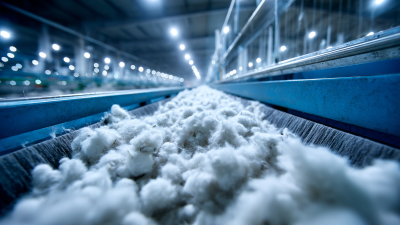
What is Polyester Staple and Why is it Essential for Buyers?
Polyester staple is a crucial material in the textile industry, widely known for its versatility and durability. According to industry expert Dr. Emma Richards, "Polyester staple fibers are the backbone of many modern fabrics." This highlights the essential role this material plays in our daily lives.
Polyester staple is primarily used in clothing, upholstery, and industrial applications. Its ability to retain shape and resist wrinkles makes it a preferred choice among manufacturers. The demand for polyester staple continues to rise as eco-friendly practices evolve and recycled options become available. However, buyers must navigate the complexity of quality grades and sustainability standards.
While polyester staple offers numerous benefits, some challenges remain. Not all polyester is created equal; variations can affect performance and environmental impact. Buyers must critically assess their options to ensure they meet specific needs. Understanding polyester staple’s properties can lead to informed decisions, making it essential for both suppliers and consumers alike.
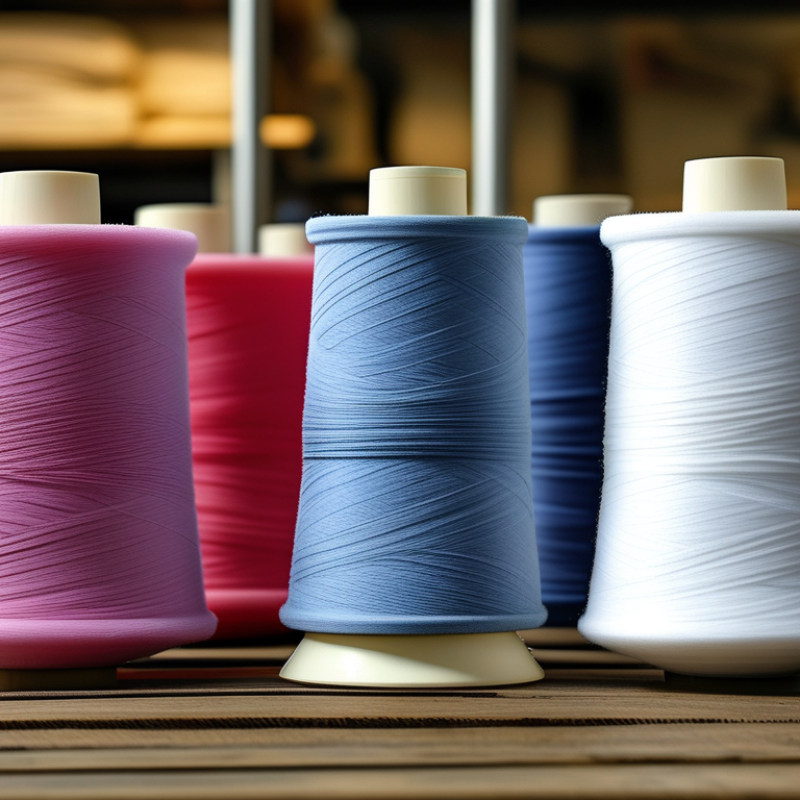
What is Polyester Staple Fiber?
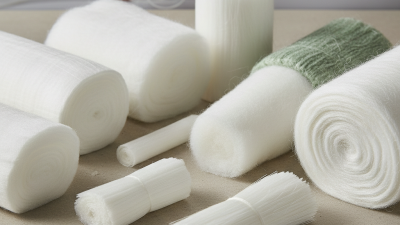
Polyester staple fiber is a key component in the textile industry. It consists of short lengths of polyester, typically ranging from 1.5 to 8 centimeters. This form of fiber is essential for creating a variety of fabrics used in clothing, upholstery, and industrial applications. According to data from the Textile World, polyester accounts for over 50% of global fiber production, reflecting its dominant position in the market.
The strength and durability of polyester staple fiber make it an attractive choice for buyers. It has high resistance to wear, moisture, and wrinkles. Reports indicate that products made from polyester can have a lifespan that is 3-5 times longer than those made from natural fibers. However, it is important to consider the environmental impact. The production of polyester has been linked to pollution and high carbon emissions. Buyers must weigh their choices carefully, as sustainability increasingly influences consumer preferences.
Quality can vary significantly among polyester staple fibers. Not all fibers are created equal; differences in production methods and technological advancements mean that some fibers perform better than others. Buyers should seek reliable suppliers who can provide certification or detailed specifications. Industry reports highlight that proper selection of polyester staple fiber can enhance the final product's performance and durability, underscoring the importance of making informed choices.
Properties and Characteristics of Polyester Staple
Polyester staple fibers are crucial in the textile industry. They are made from synthetic polymer and are known for their durability and versatility. These fibers possess excellent tensile strength, which means they can withstand significant stress. This property is essential for producing high-quality fabrics. Polyester staple is also resistant to wrinkles, making it a popular choice for clothing items.
Another important characteristic is its moisture-wicking ability. Polyester can draw moisture away from the body, keeping wearers comfortable in various conditions. This attribute is beneficial for active wear. The fibers are lightweight yet strong, allowing for easy movement. Additionally, polyester staple is easy to dye, enabling vibrant colors that appeal to buyers.
However, not all aspects are perfect. Some people may find polyester less breathable compared to natural fibers. This can lead to discomfort in hotter climates. Sustainability is also a concern, as producing polyester can impact the environment. Buyers should consider these factors when choosing polyester staple for their products. Balancing these properties ensures optimal performance and satisfaction.
Properties and Characteristics of Polyester Staple
This bar chart illustrates the key properties of polyester staple, highlighting aspects such as strength, durability, moisture resistance, elasticity, and cost-effectiveness. Each property is rated on a scale from 1 to 10, showcasing why polyester staple is essential for buyers in various industries.
Common Applications and Uses of Polyester Staple
Polyester staple fiber is widely used in the textile industry. It derives from polyester manufacturing processes that involve a detailed melting and spinning process. According to a recent report by the Textile Institute, polyester staple made up over 72% of the global staple fiber market in 2021. This data signifies its importance to buyers who seek performance and durability.
Common applications of polyester staple include apparel, home furnishings, and industrial textiles. In apparel, it often blends with cotton for improved strength and wrinkle resistance. The International Textile and Apparel Association reported a rise in apparel production by 10% in the past year, with polyester blends being a key factor. Home furnishings such as cushions and curtains also benefit from this fiber, as it offers longevity and easy care. Furthermore, polyester staple's resilience makes it suitable for industrial uses, such as filtration and insulation materials.
Some areas, however, show room for improvement. For instance, recycling polyester remains a challenge. Only around 14% of the plastic used globally is recycled effectively, according to the Ellen MacArthur Foundation. This statistic highlights the need for better waste management systems. Without advancements in recycling technologies, polyester's environmental impact continues to be a concern for eco-conscious buyers.
Benefits of Polyester Staple for Buyers
Polyester staple fiber is an important material in the textile industry. It is valued for its versatility and strength, making it essential for buyers. The benefits of polyester staple are numerous, especially for manufacturers and product developers.
First, polyester staple is easy to process. It blends well with other fibers, offering flexibility in production. This adaptability allows for various applications, from clothing to home textiles. Additionally, polyester staple boasts excellent moisture-wicking properties. This characteristic makes it great for activewear, enhancing comfort during physical activities. Buyers can cater to a growing market for performance fabrics.
Moreover, polyester staple is cost-effective. Its production involves less energy than other fibers, leading to lower prices. This affordability, combined with durability, results in long-lasting textiles. However, a critical reflection on polyester's environmental impact remains necessary. Sustainable practices in sourcing and manufacturing are vital for responsible use. Buyers must assess suppliers to ensure eco-friendly standards. Emphasizing quality while being mindful of environmental concerns is key in today's market.
What is Polyester Staple and Why is it Essential for Buyers? - Benefits of Polyester Staple for Buyers
| Benefits |
Description |
| Durability |
Polyester staple is known for its high durability and resistance to wear and tear. |
| Cost-Effectiveness |
It is generally more affordable compared to natural fibers, making it a budget-friendly option for buyers. |
| Ease of Care |
Polyester fabrics are easy to wash and dry, reducing the need for special care. |
| Moisture Wicking |
It effectively wicks moisture away from the body, making it suitable for activewear. |
| Versatility |
Polyester staple can be used in various applications, including clothing, home textiles, and more. |
| Color Retention |
It holds dyes well, providing vibrant colors that last longer than many natural fibers. |
Factors to Consider When Sourcing Polyester Staple
When sourcing polyester staple, buyers must consider quality and origin. The market for polyester staple is expected to grow at a CAGR of 6% over the next five years, driven by its versatile applications in textiles and non-woven products. However, the quality can vary greatly depending on the supplier. Buyers need to conduct thorough inspections to ensure compliance with industry standards.
Another crucial factor is the sustainability of sourcing methods. Reports indicate that sustainable materials can increase marketability. Many buyers seek suppliers who can demonstrate responsible sourcing practices. Certification from recognized bodies adds credibility to the material’s environmental claims. However, the certification process can be complex, leading to questions about the authenticity of some claims.
Price is often a leading consideration, but it should not overshadow quality. An attractive price point could indicate lower quality fibers. For instance, cheaper polyester staples may contain additives that affect the final product's performance. Reliable suppliers often provide transparency regarding their manufacturing processes and material compositions. Buyers need to weigh the initial savings against potential long-term costs related to product performance.