How to Make Recycled Sanitary Pads Fiber Sustainable and Affordable
In recent years, the conversation around sustainable menstruation has gained momentum, highlighting the urgent need for environmentally friendly alternatives to conventional sanitary products. One promising solution lies in the development of recycled sanitary pads fiber, which not only addresses the environmental impact of plastic waste associated with traditional pads but also provides a cost-effective option for individuals and communities facing economic challenges. The production of recycled sanitary pads fiber is poised to revolutionize the feminine hygiene industry, presenting a unique opportunity to combine sustainability with social responsibility.
As we delve into the methods of creating these innovative pads, it becomes crucial to explore the sourcing and processing of recycled materials, ensuring that the resulting product is both safe for users and effective in its functionality. By utilizing materials that would otherwise contribute to landfill waste, the potential for creating affordable sanitary products increases significantly. Furthermore, this initiative fosters a circular economy that promotes resource conservation and environmental stewardship.
Ultimately, this exploration of recycled sanitary pads fiber not only aims to mitigate waste but also emphasizes the importance of inclusivity in hygiene solutions. By making sustainable choices accessible and affordable, we work towards a future where every individual can manage their menstruation with dignity while contributing to a healthier planet.
Understanding the Importance of Sustainable Sanitary Pads
Sustainable sanitary products are increasingly vital as the global market for disposable hygiene products is projected to grow from $45.56 billion in 2025 to $73.07 billion by 2032, exhibiting a compound annual growth rate of 6.98%. The rising awareness of environmental issues and the challenges associated with traditional sanitary products have prompted a shift toward more sustainable alternatives. By focusing on developing recycled sanitary pads that are both eco-friendly and affordable, we can address the needs of consumers while contributing positively to environmental sustainability.
Moreover, the recent quality concerns highlighted during public exposés have left a noticeable impact on consumer trust in the hygiene products sector. More than 50 brands have committed to higher quality standards, responding to the urgent call for safety and sustainability in menstrual products. This emphasis on quality not only benefits consumers but also fosters a healthier industry environment, promoting innovative solutions like recycled sanitary pads that align with sustainability goals. As we move forward, it’s crucial to prioritize these developments, ensuring accessibility and affordability while maintaining a strong commitment to environmental stewardship.
How to Make Recycled Sanitary Pads Fiber Sustainable and Affordable - Understanding the Importance of Sustainable Sanitary Pads
| Material Type |
Sustainability Score (1-10) |
Affordability ($ per pad) |
Biodegradability (Years) |
Recycling Potential (%) |
| Cotton |
8 |
0.50 |
5 |
85 |
| Bamboo |
9 |
0.70 |
3 |
90 |
| Recycled Plastic |
7 |
0.60 |
20 |
75 |
| Hemp |
8 |
0.80 |
2 |
88 |
| Cornstarch |
8 |
0.75 |
1 |
80 |
Materials Suitable for Creating Recycled Sanitary Pad Fiber
Creating recycled sanitary pads from sustainable materials is essential for both environmental and economic reasons. According to a report by the World Health Organization, an estimated 45 billion sanitary pads are disposed of every year, contributing significantly to landfill waste. To combat this, utilizing materials such as cotton, hemp, and bamboo will not only reduce waste but also ensure that the pads are comfortable and absorbent. These natural fibers are biodegradable, making them an ideal choice for eco-conscious consumers.
Tips: When selecting materials for recycled sanitary pad production, consider sourcing from local suppliers to minimize carbon footprints and support the community. Additionally, look for post-consumer material options, as this can further enhance sustainability efforts while keeping costs affordable.
Moreover, using a blend of synthetic and natural fibers can optimize performance while still being cost-effective. Reports indicate that incorporating recycled polyester can enhance durability, allowing for a combination of sustainability and functionality. Creating awareness about these eco-friendly options can also empower consumers to make informed choices that benefit both their health and the planet.
Steps for Collecting and Preparing Recyclable Materials
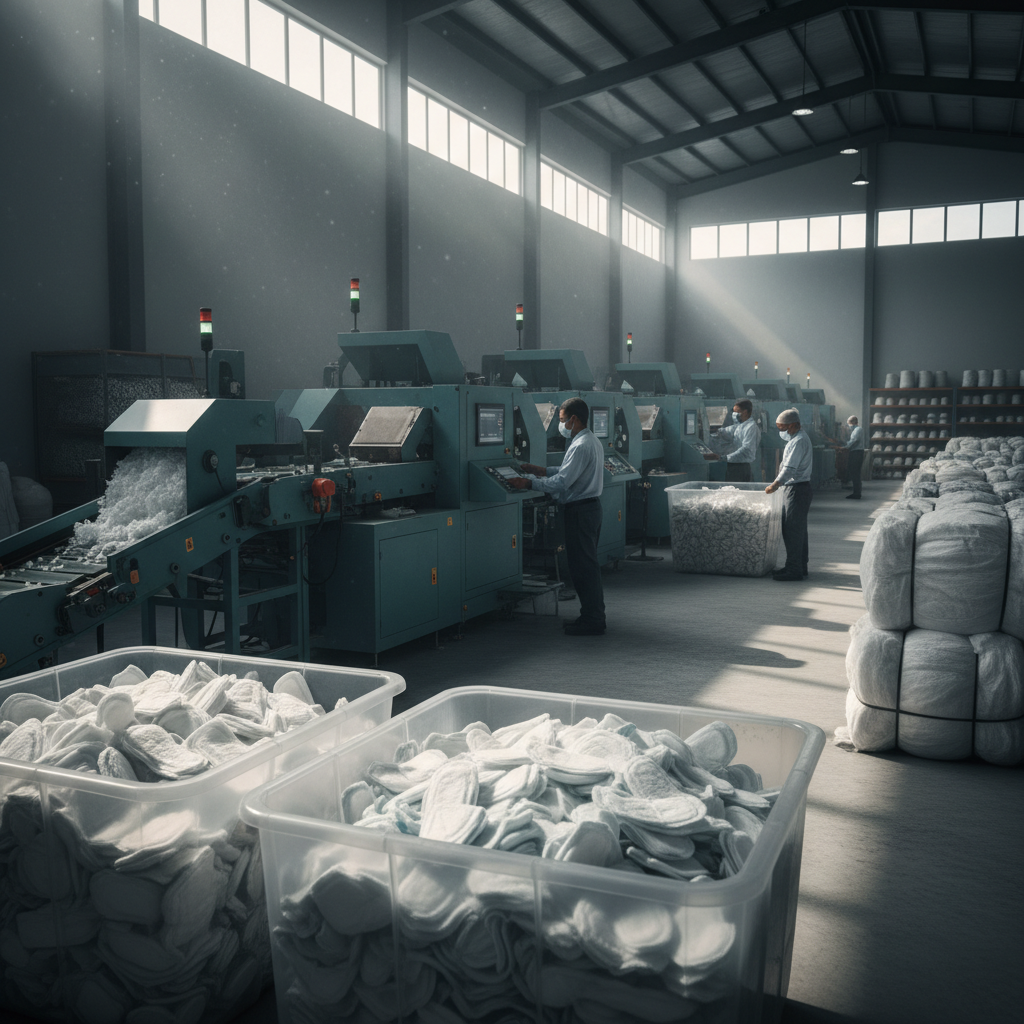
The production of recycled sanitary pads can significantly benefit from a well-structured approach to collecting and preparing recyclable materials. According to a report by the World Bank, approximately 3.7 million tons of sanitary waste are generated globally each year, primarily from single-use products. By focusing on materials that are already widely available, we can tap into the potential for sustainable practices while addressing the pressing issue of waste management.
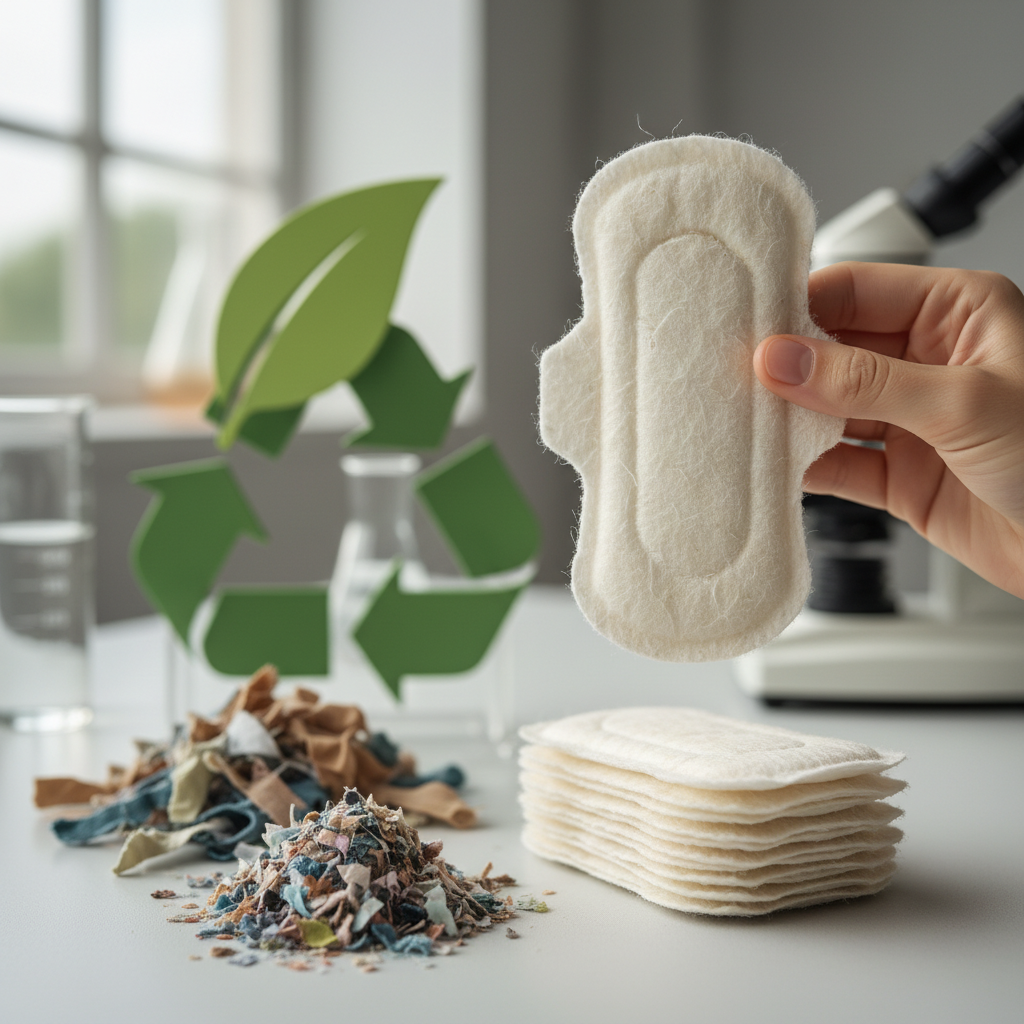
First, communities can initiate collection drives to gather used textiles, such as cotton shirts and bed linens, which can be transformed into high-quality pad materials. Studies from the Ellen MacArthur Foundation indicate that cotton recycling can save up to 70% of the water used in production, thereby lowering both environmental impacts and costs. Additionally, collaborating with local recycling centers can streamline the process of sorting and cleaning materials, ensuring that only suitable fabrics are repurposed for sanitary pads.
Furthermore, raising awareness about the importance of using recycled materials can cultivate a culture of sustainability. Educational campaigns can inform consumers about what types of materials are acceptable, guiding them to separate waste properly. Industry data suggests that a 20% increase in recycling rates could reduce landfill waste by millions of tons, showcasing the potential environmental benefits of effective material preparation strategies.
Techniques for Transforming Fiber into Affordable Sanitary Pads
Transforming fiber into affordable sanitary pads involves several innovative techniques that prioritize sustainability while ensuring accessibility. One effective method is utilizing natural fibers such as cotton, bamboo, or even recycled textiles. These materials not only reduce waste but also provide comfort and breathability. Collaborative efforts with local communities for sourcing these fibers can enhance the economic viability and empower women through job creation.
Tips: When selecting fibers, consider using local resources that minimize transportation costs and reduce carbon footprint. Engaging in community workshops can also promote education about the benefits of using recycled materials for sanitary products.
Another technique includes integrating simple manufacturing processes such as DIY pad-making kits. These allow individuals to create their own sanitary pads at home, utilizing readily available materials. By sharing knowledge through tutorials and workshops, we can foster a culture of sustainability, leading to a broader understanding of menstrual health.
Tips: Encourage sharing experiences on social media to inspire others to adopt these sustainable practices. Use easily accessible materials in workshops to ensure all community members can participate and benefit from this initiative.
Promoting Awareness and Accessibility of Eco-Friendly Options
Increasing awareness about eco-friendly sanitary products is essential for promoting sustainable living. Many women are unaware of the environmental impact of traditional sanitary pads, which often contain synthetic materials and contribute to landfill waste. By educating consumers on the benefits of recycled sanitary pads made from sustainable fibers, we can encourage a shift towards more environmentally conscious choices.
Workshops, educational campaigns, and social media outreach can serve as valuable tools to spread this message and debunk myths surrounding the use of eco-friendly options.
Accessibility to these sustainable products is equally important. Many eco-friendly sanitary pads are still perceived as a luxury due to their costs. To address this issue, local businesses and organizations should collaborate to provide affordable options. Initiatives like bulk purchasing, community exchanges, and partnerships with non-profits can help lower costs and improve distribution channels.
By ensuring that recycled sanitary pads are not only sustainable but also affordable, we can empower women to make greener choices while taking care of their health and the planet.