Why Choose Sustainable Sanitary Pads for Your Business?
In today's world, choosing Sustainable Sanitary Pads is no longer just an eco-friendly alternative but a vital business decision. Dr. Emily Carter, a leading expert in sustainable materials, emphasizes, "Companies have a responsibility to provide options that reduce environmental impacts." This insight highlights the growing significance of sustainability in our daily products.
The shift towards Sustainable Sanitary Pads reflects a larger trend in consumer demand. Customers today seek brands that align with their values. They want products that are both effective and environmentally responsible. By integrating these sustainable options, businesses not only attract eco-conscious consumers but also contribute to a greener future. However, the industry faces challenges, such as higher costs and supply chain issues.
Understanding the impact of choosing Sustainable Sanitary Pads is crucial. It carries implications not just for profits, but also for brand reputation. As more companies step into this space, it is essential to reflect on motivations and impacts. Are we truly prioritizing sustainability, or is it merely a marketing strategy? Embracing genuine change can lead to a brighter, more responsible future in the sanitary products market.

Benefits of Sustainable Sanitary Pads for Businesses
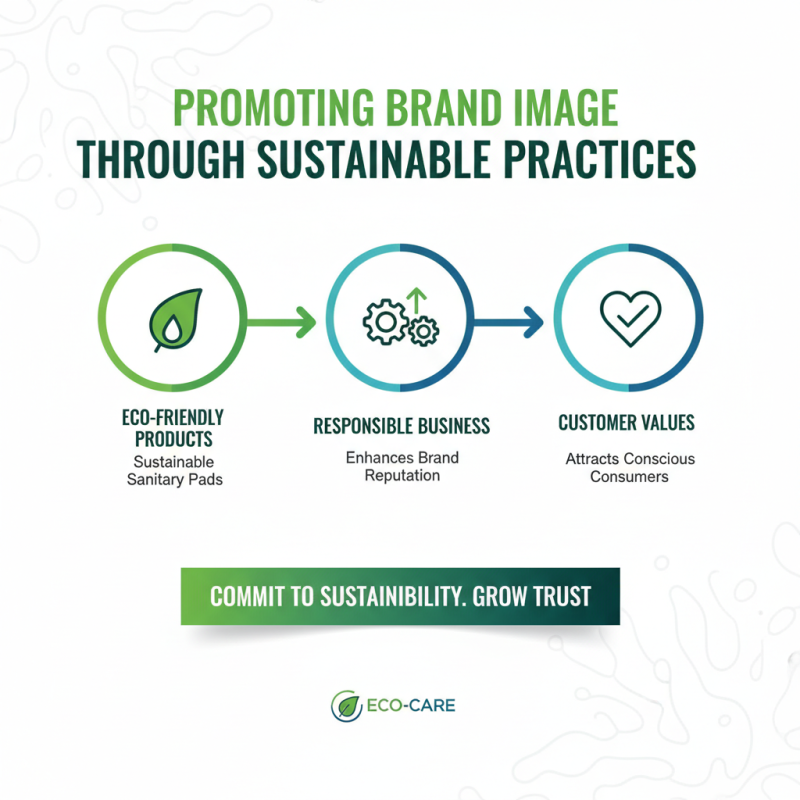
Sustainable sanitary pads are gaining traction, and for good reason. They offer significant benefits for businesses. By choosing these eco-friendly options, companies can align their values with increasing consumer demand for sustainability. This shift can enhance their brand image and attract a loyal customer base.
One of the key advantages of sustainable sanitary pads is their positive environmental impact. Traditional pads often contain plastic and chemicals, contributing to landfill waste. In contrast, sustainable options are usually made from biodegradable materials. This helps reduce pollution and supports a healthier planet. Customers tend to appreciate businesses that prioritize eco-conscious practices, ultimately boosting sales.
Moreover, investing in sustainable products can be cost-effective in the long run. While initial costs might be higher, the transparency in production can lead to increased consumer trust. However, businesses may need to navigate the challenge of sourcing quality sustainable materials. This process involves research and potential trial and error. Yet, these efforts can yield long-term rewards, fostering a reputation for responsibility and innovation.
Environmental Impact of Traditional Sanitary Products
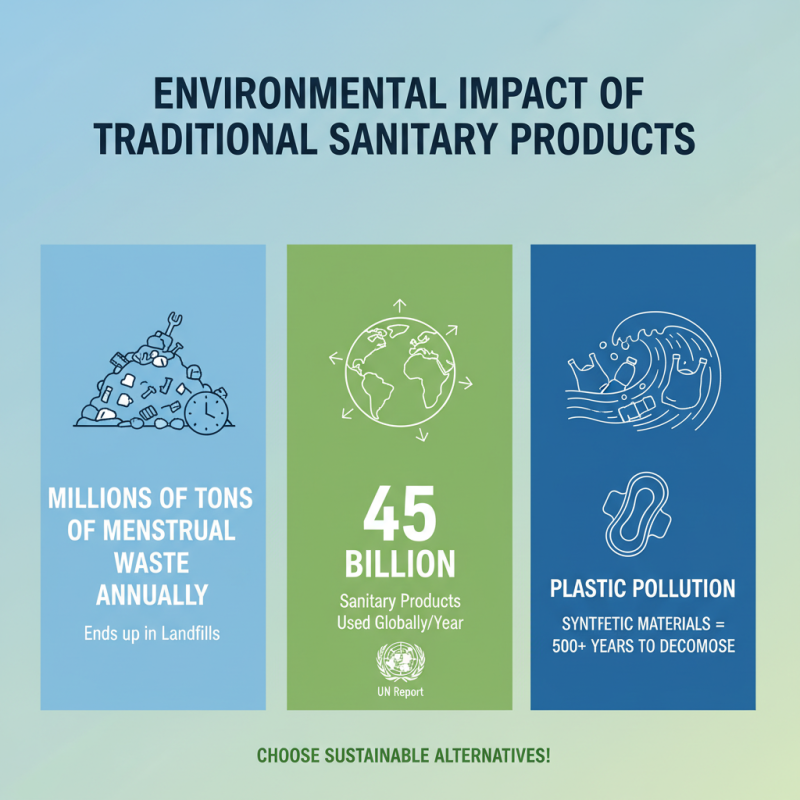
The environmental impact of traditional sanitary products is significant. Every year, millions of tons of menstrual waste end up in landfills. A report by the United Nations states that approximately 45 billion sanitary products are used globally annually. This contributes to plastic pollution, as many pads contain synthetic materials that take over 500 years to decompose.
Many consumers are unaware of the chemicals used in conventional pads. These products often contain materials that can disrupt ecosystems and pose health risks. For example, a study from the World Health Organization found that chemical exposure can lead to hormonal imbalances. Additionally, the production process of traditional pads is water-intensive, often leading to water scarcity in some regions.
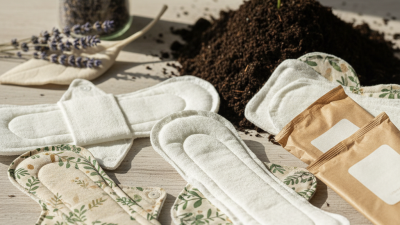
Switching to sustainable sanitary pads can mitigate these issues. Eco-friendly options typically use organic cotton and biodegradable materials. Research indicates that using sustainable products reduces plastic waste by up to 90%. Choosing such products reflects a growing awareness and responsibility towards the environment. The shift to sustainable pads marks a crucial step in reducing the ecological footprint associated with menstrual care.
Consumer Preferences Shifting Towards Eco-Friendly Alternatives
Consumer preferences are rapidly shifting towards eco-friendly alternatives, particularly in personal hygiene products. Many individuals now seek sustainable options that align with their values. This growing trend highlights a demand for products that minimize environmental impact.
Sustainable sanitary pads, made from organic materials, are gaining popularity. Consumers appreciate their biodegradable nature and reduced chemical exposure. By choosing eco-friendly options, businesses can cater to conscientious customers. Yet, not all companies prioritize these choices, leading to confusion.
Some consumers express uncertainty about the effectiveness of sustainable pads. They worry about comfort and absorbency. Businesses must address these concerns transparently. Providing clear information and testimonials can help build trust. Balancing eco-friendliness with performance is essential in product development. Ignoring consumer feedback may hinder long-term success.
Why Choose Sustainable Sanitary Pads for Your Business?
| Dimension |
Sustainable Pads |
Conventional Pads |
| Material Composition |
Biodegradable Materials |
Plastic and Non-biodegradable Materials |
| Environmental Impact |
Lower Carbon Footprint |
Higher Carbon Footprint |
| Consumer Preference |
Increased Demand |
Declining Demand |
| Cost to Produce |
Generally Higher |
Generally Lower |
| Market Growth Rate |
5% Annual Growth |
2% Annual Decline |
Cost-Effectiveness of Sustainable Sanitary Pad Options
Sustainable sanitary pads are becoming increasingly popular in the market. Their cost-effectiveness plays a crucial role in business decisions. According to a report from the Sustainable Products Institute, businesses can save up to 30% in disposal costs when using biodegradable options. This reduction in waste management expenses can significantly enhance profitability.
Choosing sustainable options can also align with consumer preferences. Recent surveys indicate that over 70% of consumers prefer eco-friendly products. By offering sustainable sanitary pads, businesses tap into this growing market. It may require an initial investment, but the long-term savings and customer loyalty can outweigh the upfront costs.
Tip: Educate your staff about the benefits of these products. Potential customers appreciate knowledgeable employees who can explain the sustainability aspect.
Ultimately, balancing cost with environmental responsibility is key. A study by the Environmental Products Agency found that switching to sustainable products could improve brand reputation. Yet, some businesses may face challenges in sourcing these goods. Evaluate local suppliers to find reliable options that meet your quality standards.