10 Essential Tips for Choosing Sustainable Sanitary Pads Today
The shift towards Sustainable Sanitary Pads is gaining momentum. As more women seek eco-friendly solutions, experts like Dr. Emily Carter emphasize the importance of making informed choices. She once said, "Choosing the right sanitary products can empower both your body and the planet."
Sustainable Sanitary Pads offer an alternative to traditional options. They reduce waste and are often made from organic materials. Yet, many consumers remain unaware of the environmental impact of conventional pads. The chemicals and plastics used in these products can take centuries to decompose.
Some brands claim to be sustainable but lack certification. It's crucial to research and understand what "sustainable" truly means. Beyond just price, consider the longevity and comfort of the pads. Are they made with care for our planet? In the end, each decision reflects a commitment to sustainable living. Choosing wisely is a step towards a healthier future.
Understanding the Environmental Impact of Conventional Sanitary Pads
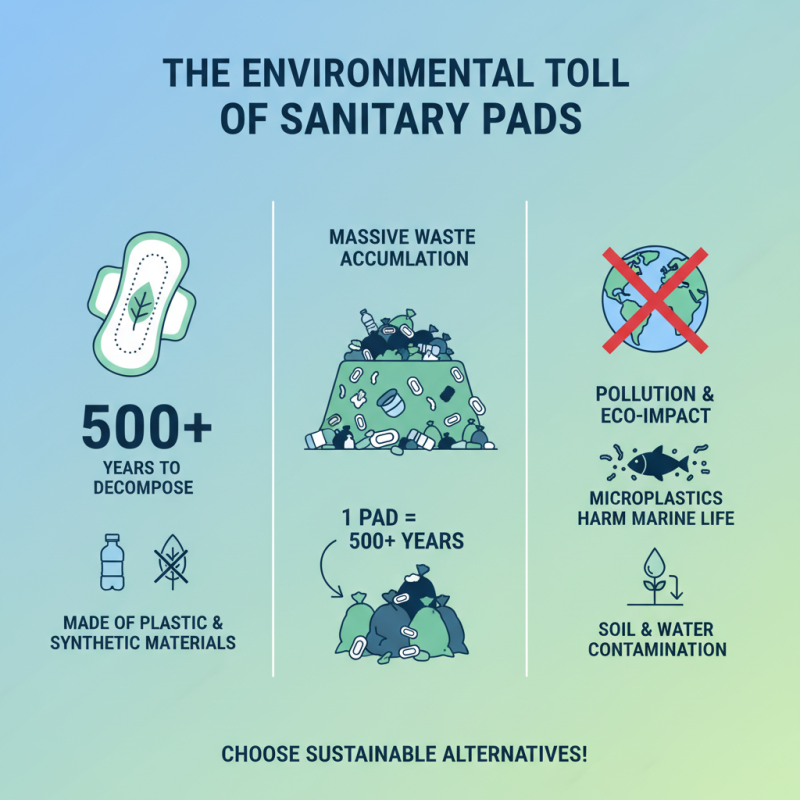
The environmental impact of conventional sanitary pads is significant and often overlooked. These products are typically made from plastic and synthetic materials. As a result, they do not biodegrade easily. Estimates suggest that one pad can take over 500 years to decompose. This leads to a staggering accumulation of waste in landfills.
Moreover, the production process of conventional pads can be harmful. It involves the use of chemicals that may contaminate water sources. The pollution generated by manufacturing plants contributes to a larger ecological footprint. Many people are unaware of the hidden costs associated with these everyday items.
Choosing sustainable alternatives is crucial for reducing this impact. Options made from organic cotton or biodegradable materials are available. These alternatives can minimize waste and reduce harmful emissions. However, awareness and education about the benefits of these choices remain limited. More voices need to advocate for this change in consumer habits. Each small shift can contribute to a healthier planet for future generations.
Key Materials Used in Sustainable Sanitary Pads and Their Benefits
Sustainable sanitary pads are becoming increasingly popular. Their environmental impact is a significant concern. Understanding the key materials used in these pads can help consumers make better choices.
Many sustainable pads are made from organic cotton. Unlike conventional cotton, it is grown without harmful pesticides. This choice reduces chemical exposure for users and the planet. Another popular material is bamboo. Bamboo grows quickly and requires less water than cotton. It also has natural antibacterial properties, making it ideal for sanitary products.
Biodegradable materials are also gaining traction. For instance, some pads utilize plant-based plastic. These break down more easily than traditional plastics. Yet, not all pads labeled "biodegradable" meet high standards. It is essential to research and ensure they decompose effectively. Additionally, some products may still contain blended materials that hinder decomposition. This complexity highlights the importance of being an informed consumer.
Evaluating Certifications and Eco-Labels for Sustainable Products
When choosing sustainable sanitary pads, certifications and eco-labels play a crucial role. Many consumers look for visible signs of sustainability. However, not all labels carry the same weight. Research shows that 80% of shoppers trust eco-labels. Yet, only 30% understand what they represent. This confusion can lead to poor choices.
Many pads boast certifications, but they might not meet rigorous standards. For example, pads labeled as "organic" may not always be fully organic. According to the Environmental Protection Agency, many products still contain harmful chemicals. This realization prompts a closer examination of eco-labels. Look for third-party certifications that ensure compliance with environmental standards.
Certifications like GOTS (Global Organic Textile Standard) or OEKO-TEX are more reliable. However, even these have their limitations. Understanding the criteria behind each label is vital. It requires some research. Knowledge is empowering. Consumers should not settle for vague claims. Instead, ask questions and demand transparency. This process is not always straightforward, but it is necessary for making informed choices.
Comparing Costs: Sustainable Sanitary Pads vs. Traditional Options
When comparing costs between sustainable sanitary pads and traditional options, it's essential to examine the long-term impact. Studies show that the average woman uses around 11,000 to 14,000 pads in her lifetime. Traditional pads typically cost about $5 to $7 per box. Over decades, this adds up to hundreds of dollars.
In contrast, sustainable sanitary pads offer a higher initial cost, averaging $7 to $10 per pack. However, they are often made from biodegradable materials. This means less landfill waste. A report from the Environmental Protection Agency indicates that menstrual products contribute to significant waste. Using sustainable options can reduce this environmental footprint.
While the upfront cost may raise eyebrows, one must consider the holistic perspective. Consumers need to weigh the value of sustainability against personal budgeting. Many sustainable brands provide reusable options, potentially lowering long-term costs. But the availability and accessibility of these products can be challenging in many areas. Balancing eco-conscious choices with financial constraints prompts reflection.
Comparison of Costs: Sustainable Sanitary Pads vs. Traditional Options
This chart illustrates the average costs of sustainable sanitary pads compared to traditional options. While sustainable pads may appear more expensive upfront, they often provide long-term savings and environmental benefits.
User Reviews and Experiences: What to Look for in Sustainable Choices
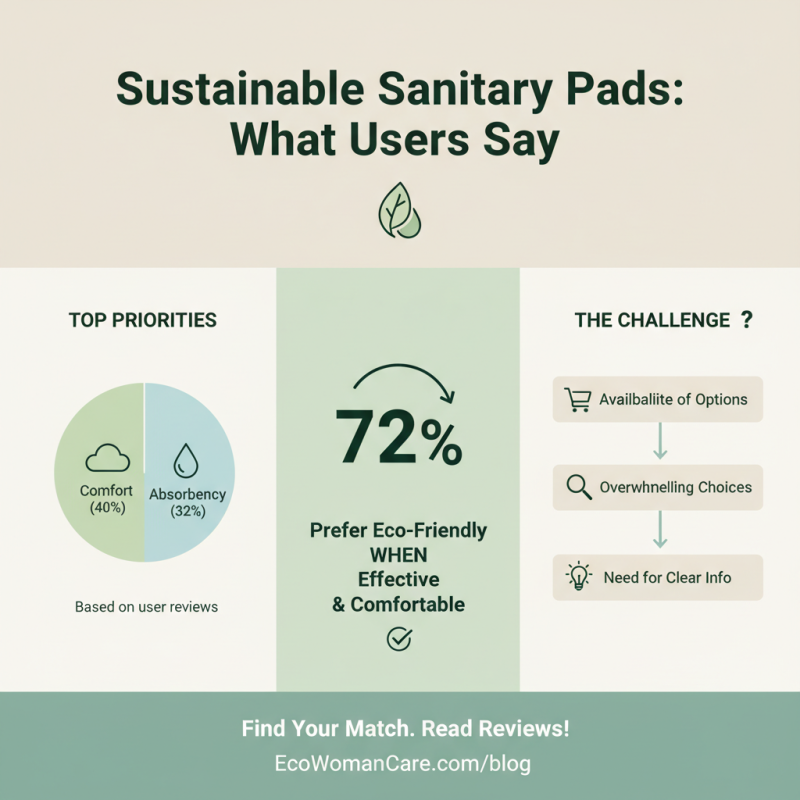
When considering sustainable sanitary pads, user reviews play a crucial role. Many women share their experiences online, noting comfort and absorbency as top priorities. In fact, a survey found that 72% of users prefer eco-friendly options when they feel effective and comfortable. However, the availability of options can be overwhelming.
It's vital to look for materials used in the pads. Organic cotton and bamboo are popular choices. A report from the Environmental Protection Agency states that traditional pads may take up to 800 years to decompose. In contrast, sustainable pads often use biodegradable materials, appealing to eco-conscious consumers. Yet, some users report finding these pads less absorbent. It's a crucial factor to consider.
Additionally, consider the packaging. Many brands now focus on zero-waste initiatives, offering compostable or recyclable packaging. Over 50% of users appreciate brands that prioritize sustainability in the entire product lifecycle. However, not all products deliver on their promises. Reading reviews can help identify the most trustworthy options. Remember, it's essential to reflect on what truly matters to you and your body.