
Choosing the right Fiber Black option can affect product quality, production efficiency, and long-term buyer confidence. Global sourcing decisions require more than a dark, consistent appearance. Fiber type, thickness, strength, colorfastness, processing temperature, and end-use performance all deserve careful review. A black fiber used in apparel may need soft handling and wash resistance. A technical fiber may require heat stability, tensile strength, or controlled conductivity.
This guide compares ten Fiber Black options for international buyers. It considers practical details such as raw material origin, dyeing or pigmentation methods, recycled content, certification availability, packaging, minimum order quantities, and shipping readiness. Buyers should also verify test reports independently. Certificates can vary in scope, date, and credibility. A supplier’s sample may look excellent under showroom lighting, yet perform differently after washing, stretching, or outdoor exposure.
The ranking is useful, but not universal. A lower-cost option may create higher waste during production. A premium grade may be unnecessary for a short-life application. That trade-off deserves honest attention. We also recognize a limitation: supplier performance can change between batches, regions, and production seasons. Requesting recent samples, written specifications, and pre-shipment inspection can reduce avoidable surprises.
For global buyers, compliance matters as much as color. Confirm labeling rules, restricted-substance requirements, import documents, and destination-country standards before purchasing. Responsible sourcing protects quality, budgets, workers, and brand reputation. These ten options provide a practical starting point, not a substitute for application-specific testing.
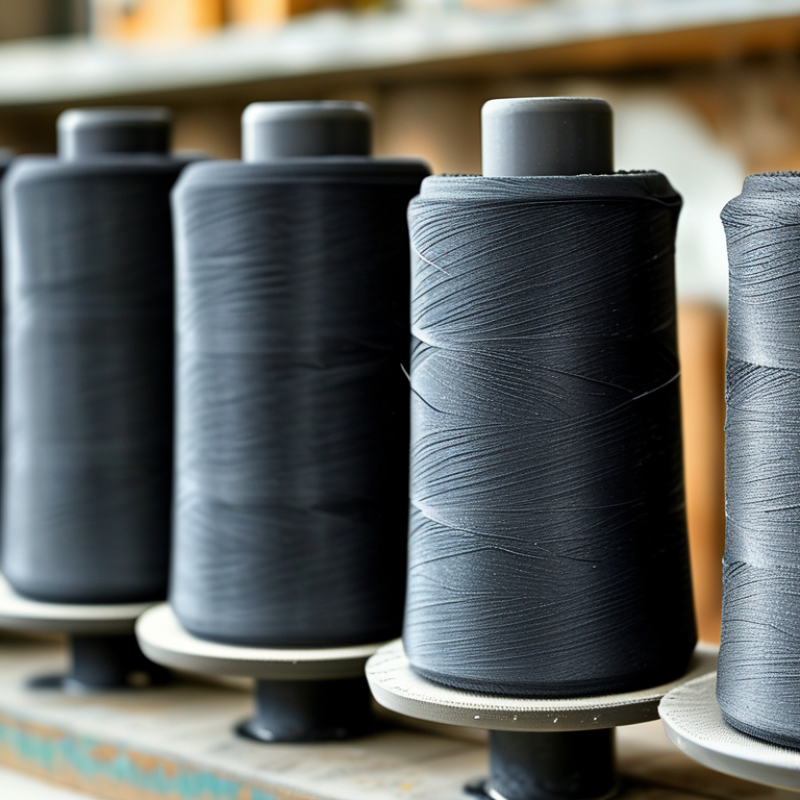
For global buyers, black fiber is not one specification. Polymer affects strength, moisture response, dye behavior, and recycling potential. Denier controls softness and coverage. GSM belongs to the finished web or fabric, not the fiber itself. Textile Exchange’s Materials Market Report 2024 recorded 124 million tonnes of global fiber production in 2023. Polyester represented about 57% of that volume. This scale makes PET a practical benchmark, but not always the best choice.
These ranges are practical starting points, not universal rules.
Global buyers often compare black fibers by appearance first. Performance data should come earlier. A deep shade means little if the fiber breaks during processing or fades outdoors.
Tensile strength is a practical starting point. Check tenacity, elongation, and strength retention after washing. High-tenacity fibers suit ropes, geotextiles, and industrial fabrics. Softer fibers may perform better in apparel and upholstery. Ask for test results using recognized conditioning and loading methods. A single tensile number can mislead. Moisture, twist, temperature, and test speed all affect the result. I have seen samples pass laboratory tests but fail after repeated machine handling.
UV resistance needs separate attention. Look for accelerated weathering data, exposure hours, and retained strength percentages. Carbon-based black pigments may improve light protection, but the polymer, stabilizers, and coating remain important. Outdoor buyers should request color-change ratings and mechanical retention after exposure. Indoor fabric may not need the same protection. Paying for maximum UV performance can become unnecessary cost.
ISO 105 colorfastness tests should be read by test type, not by one overall score. Light, washing, rubbing, perspiration, and seawater evaluations reveal different weaknesses. A strong lightfastness result does not guarantee excellent wet rubbing performance. Compare shade depth, staining, and color change together. Also review lot consistency across production runs. Standards guide decisions, but they do not remove uncertainty. Rechecking one shipment is wise. Even careful specifications can miss real factory conditions.
For global buyers, black fiber optic cable should be judged beyond color. A carbon-black outer sheath can improve UV resistance, but construction still controls service life. The following comparison uses indicative prices per kilometer, typical factory MOQs, and normal production schedules. Final figures vary by fiber count, jacket material, and test requirements.
Do not choose by price alone. I have seen low-cost jackets crack after one harsh winter. Request UV-aging data, tensile tests, attenuation results, and sample inspection records. Lead time may also expand during custom printing or unusual fiber counts. One weakness remains: quoted durability often reflects laboratory conditions, not dusty sites, salt air, or careless installation. A small pilot order can expose that gap before a larger contract.
For global buyers, choosing black fiber is not only a question of shade, strength, or price. Compliance should be checked before production begins. OEKO-TEX certification can help verify that the finished fiber has been tested for harmful substances. Ask for a current certificate, scope, and product class. A certificate with an expired date is not useful.
REACH requirements also deserve careful attention. Black fibers may contain dyes, finishes, or processing chemicals that need review. Request test reports for restricted substances, especially when the fiber will enter the European market. Reports should identify the tested material, laboratory, method, and date. Do not rely on a general supplier statement. It sounds convenient, but it leaves gaps.
For recycled black fiber, GRS supports recycled-content claims and supply-chain traceability. Buyers should check transaction records and verify whether the certificate covers the exact facility and material. ISO 9001 does not prove chemical safety or recycled content. It shows that a quality management system is controlled and monitored. That distinction is easy to miss. In practical sourcing, compare certificates with samples, batch records, shade data, and inspection results. Black can hide uneven dyeing or contamination. Independent testing remains wise, even when paperwork looks complete. No system removes every risk.
A practical buyer matrix should compare climate, application, volume, and supply-chain risk. In humid regions, solution-dyed polyester often offers strong color stability and faster drying. For hot climates, lightweight polypropylene can reduce moisture retention. Nylon suits abrasion-heavy uses, but it may require tighter humidity control during storage. Recycled polyester supports sustainability goals, although shade consistency can vary between batches. Dope-dyed fibers reduce water use and usually improve color durability.
Pigment-dyed fibers provide flexible color matching, but rubbing performance needs testing. Carbon-based black fibers can improve opacity, yet they may affect softness and processing. Blended fibers balance price and performance. Low-luster fibers help create a softer visual effect. High-tenacity fibers fit demanding industrial applications.
Application changes the ranking. Apparel buyers should test hand feel, pilling, wash fastness, and shade migration. Furniture suppliers need abrasion data and consistent lot control. Outdoor products require ultraviolet resistance, water exposure testing, and thermal aging checks. Large-volume buyers should request monthly capacity, minimum order quantities, and backup production sites. Smaller buyers may prefer standard deniers and stock colors, despite fewer customization options.
Ask for traceability records, inspection reports, sample retention, and realistic lead times. Check whether raw materials rely on one country or one transport route. A low price can hide expensive delays. No matrix is perfect. I would revise the score after pilot production, because laboratory results sometimes miss knitting tension, packing compression, or warehouse heat. That uncomfortable review often prevents larger mistakes.