2026 Best Hydrophilic Fiber Options for Global Buyers?
In the rapidly evolving textile industry, choosing the right hydrophilic fiber is crucial for global buyers. Hydrophilic fibers, known for their moisture-wicking properties, have gained immense popularity. Dr. Emily Sinclair, a leading expert in textile science, emphasizes this: “The right hydrophilic fiber can enhance comfort and functionality in any product.”
With various options available, buyers often feel overwhelmed. These fibers can influence not just the feel of the fabric, but also its performance. With increasing demand for sustainable materials, understanding the benefits and limitations of hydrophilic fibers is essential. Some fibers excel in moisture management, while others may lack durability.
Choosing a hydrophilic fiber requires careful consideration of various factors. Not all fabrics have the same qualities or uses. It involves reflecting on the specific needs of your consumers and the end product. Ultimately, the goal is to balance comfort, performance, and sustainability in a competitive market.

Understanding Hydrophilic Fibers: Definition and Characteristics
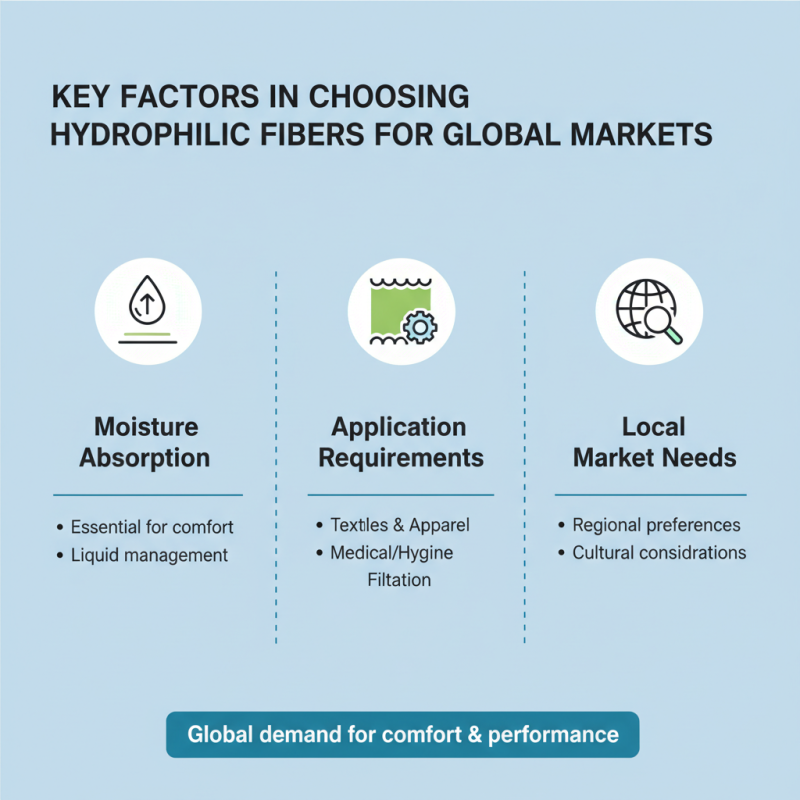
Hydrophilic fibers are unique materials known for their ability to absorb water. This property makes them desirable in various applications, particularly in textiles. These fibers are characterized by their affinity for moisture, which enables them to wick away sweat and provide comfort. Many users find these fibers ideal for activewear and home textiles.
When selecting hydrophilic fibers, consider the level of moisture absorption required. Some fibers excel at quick drying, while others maintain a softer feel. Experimenting with blends can yield fabrics that meet specific needs. However, it's important not to overlook durability. Sometimes more hydrophilic options may wear out faster.
Tips: Always test the fabric before using it. Pre-washing can reveal any shrinkage issues. Don’t forget to check how the fiber interacts with dyes. Colorfastness can vary widely. Lastly, consider the environmental impact of production processes. It’s worth researching sustainable options for a better choice.
2026 Best Hydrophilic Fiber Options for Global Buyers
| Fiber Type |
Moisture Absorption (%) |
Softness Rating (1-10) |
Biodegradability |
Common Applications |
| Cotton |
7-8% |
9 |
Yes |
Clothing, Towels |
| Viscose |
13-15% |
8 |
Yes |
Lingerie, Dresses |
| Modal |
12-14% |
9 |
Yes |
Sleepwear, Activewear |
| Lyocell (Tencel) |
10-12% |
9 |
Yes |
Shirts, Underwear |
| Polyester (Hydrophilic) |
5-6% |
7 |
No |
Sportswear, Outerwear |
Top Hydrophilic Fiber Types for 2026: A Comprehensive Overview
As the demand for sustainable materials grows, hydrophilic fibers are becoming increasingly popular for diverse applications. These fibers excel in moisture absorption and comfort, making them ideal for both textiles and non-wovens. According to the latest industry reports, the global hydrophilic fiber market is projected to reach $2.5 billion by 2026, with a compound annual growth rate (CAGR) of 8.3% from 2021 to 2026.
Among the leading types of hydrophilic fibers, rayon, lyocell, and cotton remain prominent. Rayon, derived from wood pulp, offers excellent breathability and softness. Lyocell, a more eco-friendly alternative, uses a closed-loop manufacturing process that minimizes waste. Cotton, on the other hand, is widely known for its comfort and versatility but often faces challenges in water consumption during cultivation.
However, the growing trend towards eco-consciousness isn't without its hurdles. Sourcing sustainable raw materials can sometimes compromise quality. Many manufacturers face difficulties in balancing cost and environmental impact. This reflects a need for ongoing research and development to enhance fiber production methods while maintaining performance. The hydrophilic fiber industry must navigate these complexities to meet the evolving needs of global consumers while ensuring sustainability.
2026 Best Hydrophilic Fiber Options for Global Buyers
Sustainability in Hydrophilic Fiber Production: Trends and Innovations
Sustainability in hydrophilic fiber production is gaining traction. Many manufacturers focus on eco-friendly materials. Natural fibers like organic cotton and hemp are popular choices. They require less water and pesticides compared to conventional options. This shift supports a healthier environment.
Innovations in production technology also play a key role. Advanced processes reduce energy consumption and waste. Companies now use closed-loop systems to recycle water and materials. However, challenges arise. Not all producers can access these new technologies. More education is needed in the industry.
Consumer demand drives change, push for transparency. Shoppers want to know the origins of their fibers. Brands must provide clear information. This transparency fosters trust but can expose gaps in production practices. Companies must be prepared to address these issues openly. Embracing sustainability is a journey, not a destination.
Future Outlook: Hydrophilic Fiber Applications and Market Growth Insights
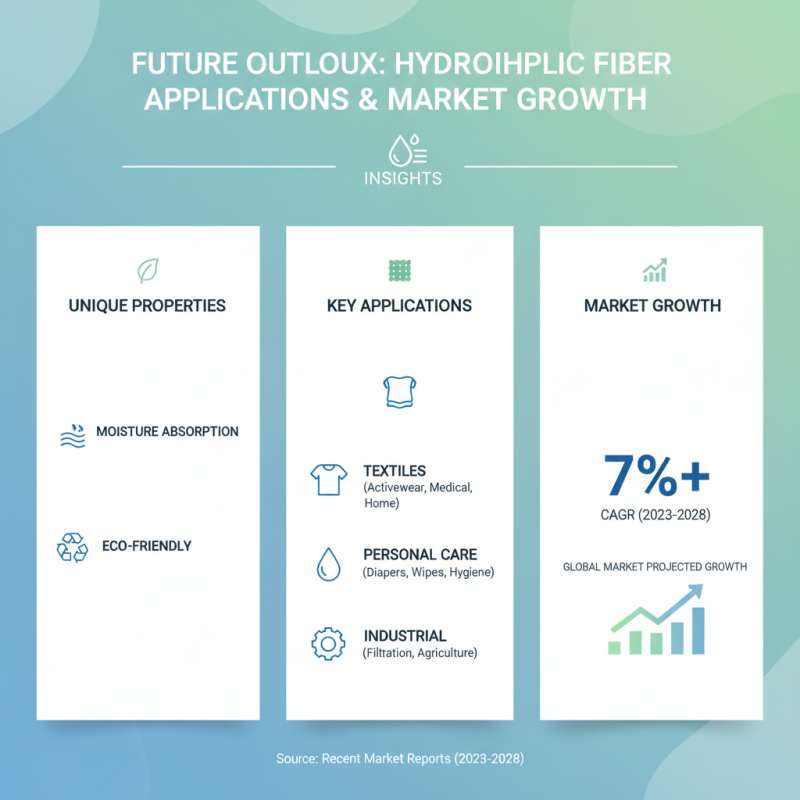
Hydrophilic fibers are gaining traction due to their unique properties. These fibers absorb moisture effectively, making them suitable for various applications in textiles and personal care products. As industries focus on sustainability, hydrophilic fibers stand out for their eco-friendly nature. According to recent market reports, the global hydrophilic fiber market is projected to grow at a CAGR of over 7% from 2023 to 2028.
In the textile industry, hydrophilic fibers are being used in sportswear and hygiene products. Their moisture-wicking capabilities enhance comfort and hygiene. Additionally, applications in medical textiles are expanding. The demand for advanced wound dressings that promote healing is increasing.
Challenges exist within the industry. Manufacturers face issues related to production costs and consistent quality. Not all hydrophilic fibers perform equally. Buyers must be cautious when selecting suppliers. A focus on transparent sourcing can help mitigate risks associated with quality variations. The market holds promise, offering numerous opportunities for innovation and growth.