
Industry News

2026 Best Types of Sanitary Pads for Heavy Bleeding

Choosing the right Sanitary Pads For Heavy Bleeding can make long days more manageable, especially when flow changes without warning. A reliable pad should offer strong absorption, a secure fit, and protection around the edges. It should also feel comfortable against sensitive skin. The best choice depends on your flow, body shape, activity level, and preferred materials.

This 2026 guide examines overnight pads, maxi pads, extra-long designs, and reusable alternatives. It considers absorbency claims, wing security, surface dryness, odor control, and skin comfort. Product labels can help, but they do not tell the whole story. Real-world details matter. A pad may perform well in a laboratory test yet shift during sleep or feel bulky under clothing. That difference deserves attention.

Comfort matters too. Fragrance-free options may suit people prone to irritation. Breathable layers can feel less humid during warm weather. Wider backs often provide better nighttime coverage, while flexible wings may reduce side leaks during movement. However, no pad can guarantee complete protection. A careful review should admit that fit and flow vary greatly between users. If you soak through a pad every hour for several hours, pass very large clots, or feel dizzy, seek medical advice promptly. Heavy bleeding can have several causes, and absorbent products should not replace professional evaluation. This guide offers practical, evidence-informed comparisons to help you choose with greater confidence.
2026 Best Types of Sanitary Pads for Heavy Bleeding

What Defines a Sanitary Pad for Heavy Menstrual Bleeding?

2026 Best Types of Sanitary Pads for Heavy Bleeding

What Defines a Sanitary Pad for Heavy Menstrual Bleeding?

A pad for heavy menstrual bleeding needs more than a thick appearance. It should absorb quickly, hold fluid within its core, and resist side and back leakage. Wider coverage matters when sleeping, bending, or commuting. Secure wings also reduce shifting, especially during movement. However, “heavy flow” has no single global product definition. Packaging claims are not always directly comparable.

Clinical guidance offers a clearer reference point. The American College of Obstetricians and Gynecologists identifies soaking through one pad hourly for several hours as a warning sign requiring medical attention. NICE defines heavy menstrual bleeding by its effect on daily life, not blood volume alone. These standards suggest that product performance should be judged by real use, not thickness or marketing language.

A useful design may include a fast-absorbing surface, a high-capacity inner layer, and sealed edges. Skin comfort matters too. Dampness can cause friction during long wear. Still, no pad works perfectly for every body or cycle. A person may need longer coverage at night but a slimmer fit during work. In practical testing, check for wet edges after two hours, movement of the wings, and odor from trapped moisture. That test is imperfect, but it reveals more than appearance. Persistent flooding, dizziness, or unusual fatigue deserves professional assessment, even when a highly absorbent pad seems to manage it.

Key Types of Sanitary Pads for Heavy Flow in 2026

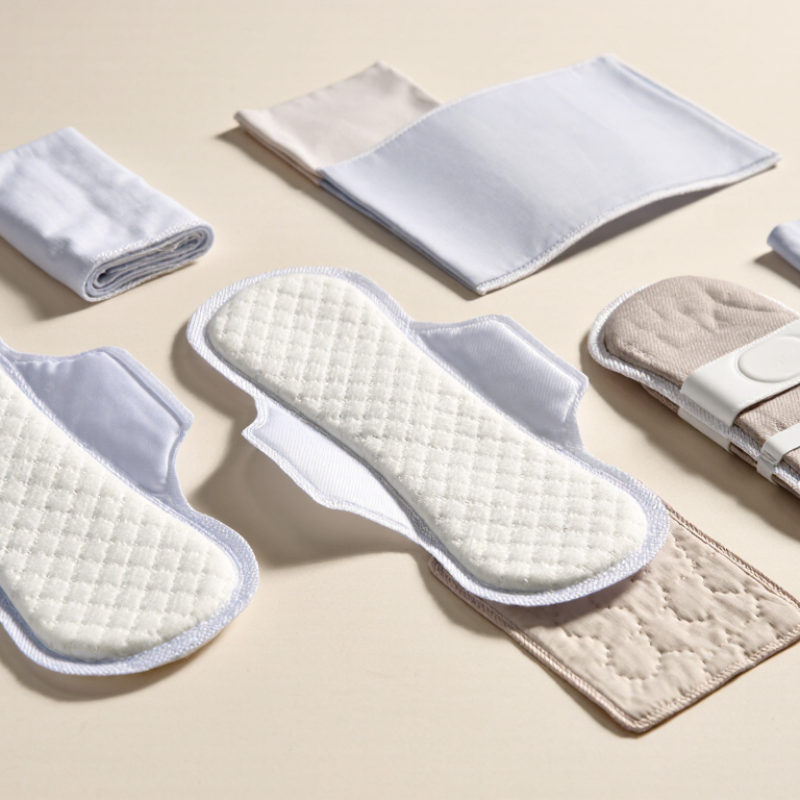
For heavy flow in 2026, the key types of sanitary pads are overnight, super-absorbent, and extra-long pads. Overnight pads usually have wider backs, deeper cores, and stronger wings. They help protect bedding during long periods of lying down. Extra-long designs can also reduce leaks when movement is frequent. This matters because heavy bleeding often involves sudden flow, not only steady absorption.

Independent market data supports growing demand for improved menstrual protection. Grand View Research estimated the global feminine hygiene products market at about USD 24.7 billion in 2022, with continued growth expected through 2030. Its 2024 analysis highlights absorbency, comfort, and leakage protection as major product priorities. Research and Markets also identifies disposable pads as a leading category because they remain familiar and widely available.

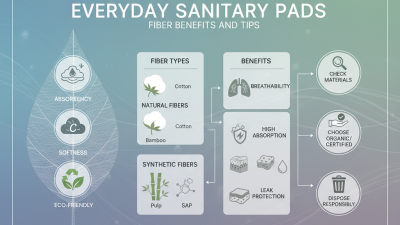
A practical choice depends on flow, body position, and skin sensitivity. Choose a high-absorbency core for daytime use, then consider an overnight shape for sleeping. Cotton-like surfaces may feel gentler, while breathable materials can reduce dampness. Still, “maximum” does not always mean better. A thick pad may feel bulky and shift during walking. Check the fit around the legs, not only the absorbency label. Change the pad regularly, even when it is not fully saturated. Very heavy bleeding, sudden worsening, dizziness, or soaking through protection hourly deserves medical advice. Product charts are useful, but they cannot understand every body.

How Absorbency, Size, and Design Affect Protection

2026 Best Types of Sanitary Pads for Heavy Bleeding

Heavy bleeding requires more than the word “maximum” on a package. Absorbency, length, width, and fit work together. However, absorbency labels are not fully standardized worldwide. A “heavy” rating may perform differently between manufacturers.

The U.S. FDA identifies soaking through a pad every hour for several hours as a warning sign requiring medical advice. A pad cannot solve persistent blood loss.

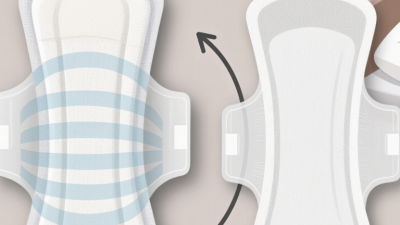
Choose an overnight or high-absorbency pad with a longer rear section. Wide wings can reduce side leakage during movement. A contoured design may fit better when sitting, walking, or sleeping. Breathable surface materials can reduce dampness, but comfort remains personal.

UNICEF reports that about 1.8 billion people menstruate globally, yet access to suitable menstrual products remains unequal. Product design should consider real routines, not only laboratory capacity. Some testing figures look impressive. They may not reflect a rushed commute or a heavy first night.

Tips:

Test one feature at a time. Note leakage, shifting, skin comfort, and changing time for two cycles. Do not wait until overflow. Keep a spare pad in a sealed pouch.

If bleeding suddenly becomes much heavier, or causes dizziness and unusual fatigue, seek clinical care. My practical view is imperfect: the thickest pad is not always the safest choice. A secure fit can matter more than extra material. Reassess your choice after each cycle.

Sources: U.S. Food and Drug Administration, “Heavy Menstrual Bleeding”; UNICEF, Guidance on Menstrual Health and Hygiene, 2019.

Choosing the Right Pad for Comfort, Skin Health, and Mobility

2026 Best Types of Sanitary Pads for Heavy Bleeding

Choosing a pad for heavy bleeding involves more than maximum absorbency. A long, high-capacity pad can reduce leaks during sleep, while a contoured design may stay closer to the body during movement. Wider back coverage helps when lying down. Fit matters.

Skin comfort deserves equal attention. Choose a soft, breathable surface and avoid products with strong fragrance if your skin reacts easily. Change the pad regularly, even when it feels only partly used. Warmth, moisture, and friction can cause irritation over several hours. Loose, breathable underwear may also reduce rubbing.

Mobility changes the best choice. For work or travel, flexible wings and a secure adhesive can prevent shifting. For exercise, a thinner pad with reliable side protection may feel less bulky. No pad is perfect. Even a well-fitting option can leak during sudden heavy flow, so carrying a spare remains practical. Keep a brief record of soaking frequency, pain, and clotting.

If you soak through a pad every hour for several hours, feel faint, or notice unusually severe bleeding, seek prompt medical advice. Product descriptions help, but personal experience and clinical guidance should both influence the final choice.

When Heavy Bleeding Requires Medical Advice

2026 Best Types of Sanitary Pads for Heavy Bleeding

Choosing a sanitary pad for heavy bleeding starts with practical protection. Overnight pads, high-absorbency maxi pads, and postpartum-style pads can provide wider coverage and reduce leaks. Look for a secure fit, breathable materials, and a length that matches your movement. A pad should feel reliable, not painfully bulky. Change it regularly, even when it is not fully saturated, because prolonged moisture may irritate the skin.

However, heavy bleeding is not only a product problem. Seek medical advice if you soak through one pad every hour for two or more hours, pass clots larger than a coin, or bleed longer than seven days. Dizziness, unusual tiredness, shortness of breath, or pale skin may suggest significant blood loss. Get urgent care for fainting, severe pelvic pain, or heavy bleeding during pregnancy or after childbirth. Do not wait it out.

Tips: Track pad changes, clot size, pain, and bleeding days in a phone note. Bring this record to a clinician. Use unscented pads if your skin feels sensitive, and replace them after exercise or swimming. If bleeding repeatedly disrupts sleep, work, or daily travel, arrange an appointment. Absorbency can improve comfort, but it cannot identify the cause. I sometimes focus too much on choosing the “strongest” pad; medical assessment matters more.

2026 Best Types of Sanitary Pads for Heavy Bleeding — When Heavy Bleeding Requires Medical Advice

Overnight or high-absorbency pads may provide better coverage for heavy flow, while postpartum pads can offer extra length and width. However, frequent saturation or prolonged bleeding may require medical assessment.

How to read this chart: These are commonly used clinical warning thresholds, not pad-absorbency ratings. Seek medical advice if bleeding lasts longer than 7 days, if you soak through a pad or tampon about every hour for more than 2 hours, or if clots are approximately 2.5 cm or larger. Urgent care may be needed if heavy bleeding occurs with dizziness, fainting, chest pain, or shortness of breath.

Reference basis: guidance from the American College of Obstetricians and Gynecologists and the NHS. Individual medical advice should come from a qualified healthcare professional.