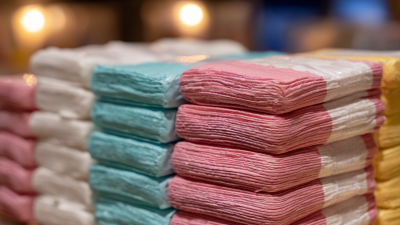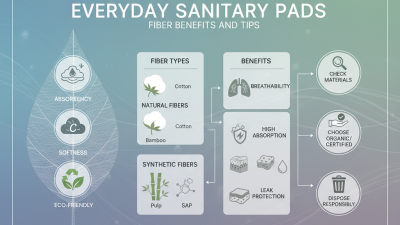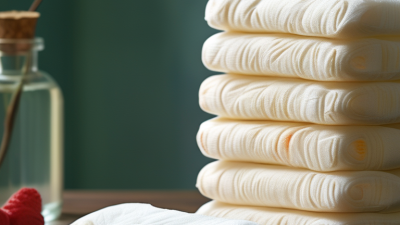

Extra Thick Pads are often chosen for a simple reason: people want dependable protection when flow is heavier or changing products frequently is inconvenient. Their added absorbent layers can hold more fluid than many standard pads, though capacity varies by design, fit, and use. Thickness alone does not guarantee leak protection.
“Choose by tested capacity and comfort, not thickness alone,” says fictional absorbency specialist Maya Chen. This illustrative quote captures an important point: a pad must work with the wearer’s body and routine. A bulky pad that shifts while walking may feel less secure than a slimmer, well-fitted option. Check product specifications, change the pad regularly, and notice how it performs during different activities.
Small details matter. Does the pad stay in place on a long commute? Does its surface feel dry after several hours? Those observations can guide a better choice. Heavier absorbency may be useful overnight or on high-flow days, but comfort remains personal. And no product is perfect. A thicker core can feel warm or restrictive, so it may take some trial and reflection to find the right balance.
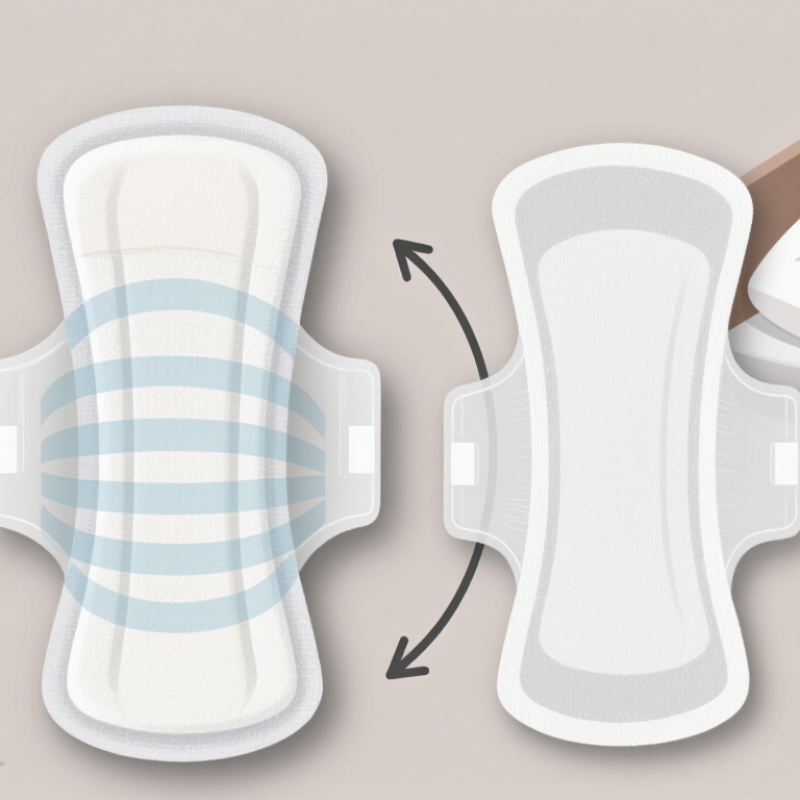
An extra-thick pad is not just a standard pad made taller. Its absorbent core may contain more material or have a deeper structure to hold fluid. Some designs also spread moisture across a wider area instead of letting it collect in one spot. Small difference, but useful. The exact feel and capacity vary by construction, so thickness alone does not tell the whole story.
The added bulk can feel more noticeable under close-fitting clothes or during movement. A pad that sits flat and stays in place may work better than a thicker one that shifts. Fit matters. If the edges gap or the center bunches, fluid can escape before the core reaches its capacity. That detail is easy to overlook when comparing products only by appearance.
When choosing one, check the absorbency information and shape, not just the thickness. Consider when you plan to wear it, such as overnight or on a long commute, and how much coverage feels comfortable. A thicker pad is not automatically the right choice for every person or every day. Even the most absorbent design needs changing according to its instructions and your own needs.
Extra thickness often comes from a deeper absorbent core, not simply a puffier surface. The top layer lets fluid pass through, while inner layers draw it away from the skin. Beneath them, absorbent material holds liquid within tiny spaces. Think of a small spill spreading through folded cloth, then settling into its center. Pad layers work in a similar, engineered way.
Some designs add channels or compressed zones to guide fluid across the core. This can help distribute a sudden gush instead of leaving one wet spot. A breathable backing helps limit leakage through the underside, while adhesive helps keep the pad in place. Fit matters. A thick pad that shifts or bunches may not protect well, even when its core holds a lot. Materials and construction also affect how quickly fluid is absorbed and how securely it stays contained.
Extra thickness can provide more holding space, but it does not guarantee comfort or leak protection. Notice how the pad feels when walking or sitting, and change it when damp or uncomfortable. No layer prevents every leak. On heavier-flow days, a wider shape or more frequent changes may work better than thickness alone. Product descriptions offer useful details, though personal fit can tell a different story. That’s worth noticing.
Why Choose Extra Thick Pads for Better Absorbency?
Thickness can affect how much liquid a pad can hold before saturation. An extra-thick pad usually contains more absorbent material beneath the surface. This added depth may slow fluid movement during heavier flow. However, thickness alone does not guarantee reliable leak protection. The absorbent core, acquisition layer, and sealed edges matter just as much. Design matters more.
During heavier flow, a thicker core can provide extra capacity beneath the center area. It may reduce sudden overflow between changes. A practical check is to notice where moisture appears first. If the center feels wet while the edges remain dry, fluid distribution may be uneven. Fit matters too. A pad that shifts can leak beside the core, even when enough material is present. Tight underwear can compress the pad and limit its absorbency.
Extra thickness can feel bulky during walking or sitting. Some users sleep better with it, while others notice rubbing or heat. That trade-off deserves attention. I used to assume thicker always meant safer, but that judgment was incomplete. Product testing should include fluid capacity, absorption speed, pressure resistance, and edge leakage. Clear testing methods are more dependable than dramatic thickness claims. For personal use, match the pad to flow level, body movement, and wearing time. A thinner pad with better fit may outperform a thicker one that folds.
How thickness can affect absorbency and leak protection
Thicker pads generally contain more absorbent material and can hold a greater volume of liquid before saturation. The values shown are rounded, non-brand-specific benchmark estimates for common pad thickness categories. Actual performance can vary with absorbent-core design, fluid viscosity, compression, fit, and movement.
Why Choose Extra Thick Pads for Better Absorbency?
Extra-thick pads may be a practical choice during heavy menstrual flow, overnight use, or long journeys. Their deeper absorbent core can hold more fluid before feeling saturated. Wider back sections may also reduce leaks while sleeping or sitting for extended periods. In my experience, a pad that stays flat and secure often matters as much as thickness. Comfort still matters.
Thickness alone does not guarantee better protection. A bulky pad can shift, rub the skin, or feel warm under tight clothing. Look for a suitable length, flexible edges, and a secure adhesive strip. Change the pad regularly, even when it does not seem full. Prolonged moisture may increase irritation and discomfort. This is easy to underestimate.
Healthcare professionals generally advise tracking unusual changes in bleeding. Soaking through a pad every hour for several hours, passing very large clots, or feeling faint needs medical attention. Extra-thick pads should support daily comfort, not hide a possible health concern. I also found that personal testing is imperfect; the best option may change between daytime, sleep, and travel. A trial of different sizes can reveal what actually works.
| Consideration | How an Extra-Thick Pad May Help | When It May Be a Practical Choice | What to Check |
|---|---|---|---|
| Absorbency needs | A thicker construction may provide more absorbent material, but thickness alone does not determine capacity. | On heavier-flow days, if the pad’s labeled absorbency suits your needs. | Look for the product’s absorbency description; core materials and design also affect performance. |
| Overnight coverage | Some extra-thick styles also have a longer shape or wider back to increase coverage while lying down. | For overnight use when you prefer fuller coverage or experience leakage with a shorter pad. | Check the pad’s length, shape, and fit; thickness by itself does not prevent leaks. |
| Leakage concerns | A more substantial core may offer extra absorbent material, while raised edges or wings can help with fit and containment. | When you want added coverage during a heavy-flow period or a longer stretch between changes. | Change the pad regularly and choose a shape that stays securely in place. |
| Comfort and discretion | The added bulk may feel more cushioning, but can also feel warmer or more noticeable under clothing. | When coverage is more important to you than having the thinnest profile. | Consider fit, clothing, skin sensitivity, and personal comfort. |
| Daily activities | A thicker pad can feel secure to some people, though it may be less comfortable for active movement. | For quieter routines or times when you want more coverage; a slimmer style may suit exercise better. | Try a fit that stays in place and does not cause rubbing or restrict movement. |
| Choosing the right option | Extra thickness is one feature to consider, not a guarantee of greater absorbency or leak protection. | Choose based on flow, coverage, fit, and comfort rather than thickness alone. | Follow the package guidance and change the pad when needed or if it feels damp or uncomfortable. |
Choosing the right pad starts with your flow, not its thickness. Extra-thick pads can hold more fluid, but they may feel bulky during walking or sleep. ISO 11948-1, an international absorbency testing standard, measures liquid retention under controlled laboratory conditions. Real-life movement is less predictable. A pad that performs well in testing may still shift, bunch, or leak for you.
For light flow, a slim pad with flexible wings may offer better comfort. Medium or heavy flow may require a longer pad, wider back, or stronger adhesive. Overnight users often need extended coverage rather than extreme thickness. The American College of Obstetricians and Gynecologists identifies soaking through a pad every hour for several hours as a possible sign of heavy menstrual bleeding. That detail matters. It may suggest discussing your symptoms with a qualified healthcare professional.
Tips: Check the absorbency label, but treat it as guidance. Choose breathable materials and change the pad regularly. Test one style during a calm day before using it overnight. Notice pressure points, dampness, and side leakage. I once assumed thicker always meant safer; that was too simple. Fit and movement can matter just as much. UNICEF’s Guidance on Menstrual Health and Hygiene also highlights comfort, dignity, and access to suitable products as important parts of menstrual health.