2026 Top Fiber Polypropylene Trends for Global Buyers?
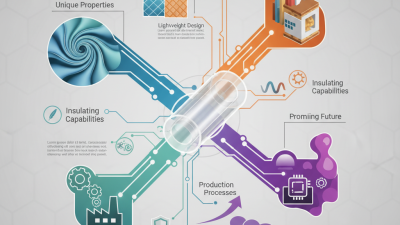
The market for Fiber Polypropylene is evolving rapidly as we approach 2026. As global buyers, understanding these trends is crucial. Fiber Polypropylene is a versatile material, known for its durability and lightweight properties. Its applications span several industries, from automotive to textiles.
Sustainability concerns are reshaping consumer preferences. More buyers are seeking eco-friendly options in Fiber Polypropylene products. Manufacturers are responding by developing biodegradable forms. This shift represents a significant opportunity for companies willing to innovate.
Trends such as advanced manufacturing techniques are emerging. Automation is enhancing production efficiency. Buyers must consider how these innovations affect costs and availability. As the landscape changes, staying informed will empower decisions. Awareness of these trends can lead to better investments in the Fiber Polypropylene space. Engaging with industry experts can also offer deeper insights.
Emerging Innovations in Fiber Polypropylene for 2026
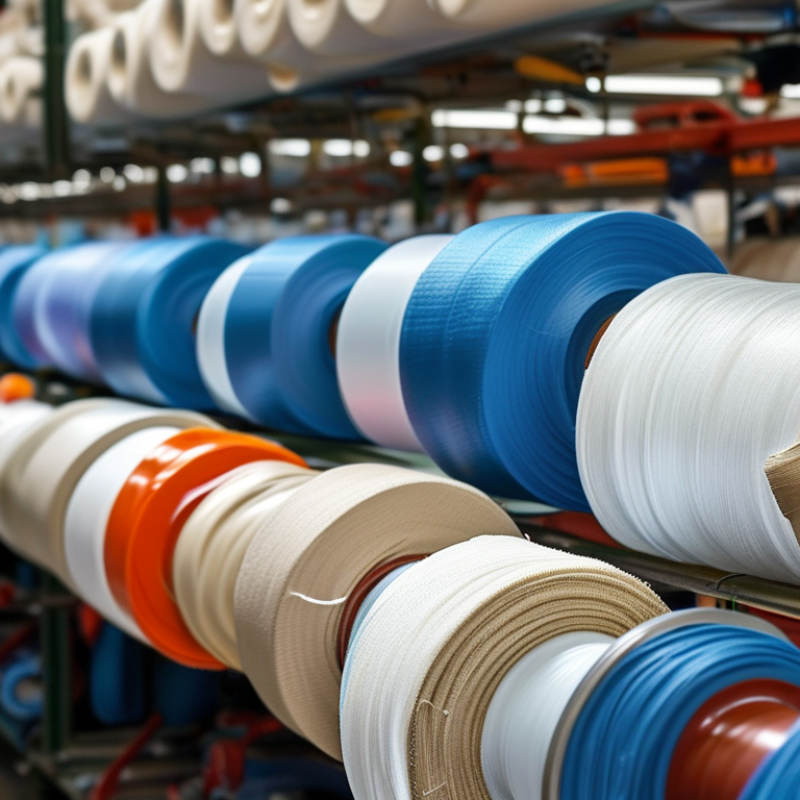
In 2026, fiber polypropylene is poised to undergo significant innovations that will reshape the industry. One notable trend is the push for biodegradable formulations. These materials aim to reduce environmental impacts while maintaining durability. Many manufacturers experiment with additives. These could enhance biodegradability without compromising performance. The challenge lies in balancing sustainability and functionality.
Another exciting development is the integration of smart technology into fiber polypropylene. Devices embedded in textiles can monitor wear and even track health metrics. This offers immense potential in various applications, from sportswear to medical textiles. However, the implementation of these technologies raises questions about user privacy. Striking the right balance between innovation and ethical considerations is essential.
The recycling of fiber polypropylene is also advancing. New processes are emerging to reclaim and repurpose used materials effectively. Efforts to improve recycling methods are critical. Yet, the infrastructure to support widespread recycling remains underdeveloped in many regions. Industry stakeholders need to address these gaps to realize the full potential of sustainable fiber polypropylene practices.
Sustainability Practices in Fiber Polypropylene Production
Sustainability is a pressing concern in fiber polypropylene production. Many manufacturers are exploring eco-friendly practices. This shift includes using recycled materials and minimizing waste. The industry faces challenges in sourcing sustainable feedstock. New methods for production are being developed, but they often require significant investment.
Another notable trend is energy efficiency. Companies aim to reduce energy consumption during production. This can lead to lower greenhouse gas emissions. However, not all facilities have the resources to implement these changes. Innovation in technology is essential for progress in this area. Additionally, many production sites still lag behind in adopting sustainable practices.
Consumer awareness is impacting production choices. Buyers increasingly prefer products that demonstrate environmental responsibility. This demand encourages manufacturers to rethink their processes. Some initiatives, like increased transparency, are steps in the right direction. Yet, there is still much work to be done in evaluating the entire supply chain. How can the industry bridge the gap between sustainability goals and actual practices? Reflecting on these challenges is crucial for future improvements.
Market Demand Trends for Fiber Polypropylene among Global Buyers
The fiber polypropylene market is witnessing significant changes. Global buyers are increasingly focused on lightweight and durable materials. This shift is driven by the need for sustainable products across various industries. Many sectors, such as automotive and construction, are seeking eco-friendly alternatives.
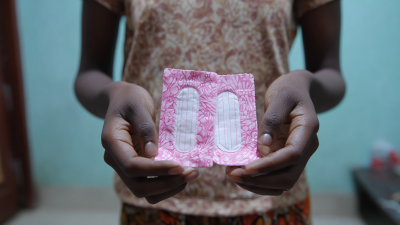
Market demand is influenced by innovative applications. For example, non-woven fabrics are gaining traction in hygiene products and medical supplies. Additionally, the textile industry is exploring fiber polypropylene for its moisture-wicking properties. Buyers are keen on sourcing materials that enhance performance without compromising environmental standards.
However, challenges remain. Variability in raw material quality can lead to inconsistency in supply. Not all suppliers adhere to best practices, which raises concerns about reliability. Buyers must research thoroughly to verify sources. Engaging with trusted partners is crucial for ensuring quality and sustainability. This focus on responsible sourcing will shape the market landscape in 2026 and beyond.
Technological Advances Shaping Fiber Polypropylene Applications
Technological advancements are revolutionizing fiber polypropylene applications, driving growth in multiple sectors. According to the latest market analysis, the global polypropylene fiber market is projected to reach $10.8 billion by 2026, with a growth rate of 7.4% annually. This growth is fueled by innovations in manufacturing processes and product developments that enhance the material’s functionality.
Recycling technology is a key area of progress. Recent studies show that upcycling polypropylene waste can produce high-quality fibers, reducing environmental impact. The textile industry particularly benefits, as recycled fibers now account for nearly 30% of total polypropylene fiber use.
Smart textiles are another emerging trend. Integrated sensors in polypropylene fabrics offer significant potential in healthcare and sports applications. These textiles can monitor health metrics, providing real-time data, which is a game-changer in patient care and athletic performance. However, challenges remain in balancing cost and functionality, pushing industries to explore further optimization.
Key Competitive Players in the Global Fiber Polypropylene Market
In the evolving landscape of the global fiber polypropylene market, certain key players consistently emerge as front-runners. These entities are dedicated to innovation, ensuring they remain competitive. This drive for excellence is vital as the demand for fiber polypropylene continues to rise across various industries. Leading manufacturers prioritize sustainable practices, recognizing the need for eco-friendly production methods.
Tips: Consider what sustainability means for your business. Engage with suppliers who prioritize environmental responsibility. This partnership can enhance your brand image and draw in eco-conscious consumers.
Additionally, the competition drives technology advancements. Companies focus on superior quality, leading to stronger, lighter fibers. Competitive pricing strategies further differentiate these players in a saturated market. While innovation is important, some brands struggle to communicate their unique value.
Tips: Regularly assess your market position. Are you clearly stating your advantages? Crafting a strong narrative can set you apart from competitors, helping you resonate with potential buyers.
2026 Top Fiber Polypropylene Trends for Global Buyers
| Category |
2026 Forecasted Market Size (Million USD) |
Growth Rate (CAGR %) |
Key Applications |
Regions |
| Automotive |
650 |
5.7 |
Interior furnishings, bumpers |
North America, Europe |
| Construction |
500 |
4.2 |
Insulation, carpets |
Asia Pacific, Middle East |
| Textiles |
800 |
6.5 |
Sportswear, home textiles |
Global |
| Healthcare |
300 |
7.0 |
Medical textiles, sterilization wraps |
Europe, North America |
| Packaging |
400 |
5.0 |
Food containers, bags |
Asia Pacific |