Ultimate Tips for Sourcing Hydrophilic Fiber Efficiently
In the rapidly evolving textile industry, hydrophilic fiber plays a pivotal role in various applications. According to a report by Technavio, the global hydrophilic fiber market is expected to grow at a CAGR of 6.5% from 2021 to 2025. This upward trend highlights the increasing demand for fabrics that offer moisture management, comfort, and sustainability.
Expert opinions underscore the significance of sourcing these fibers effectively. Dr. Sarah Jones, a leading expert in textile technology, states, "The choice of hydrophilic fiber directly impacts fabric performance and consumer satisfaction." Her insights reflect the critical nature of selecting the right materials in this competitive market. However, sourcing these fibers can present challenges, such as ensuring quality while managing costs.
Many companies still face hurdles. Inconsistent quality and supply chain issues can arise, leading to production delays. To navigate this landscape, businesses must adopt efficient strategies for sourcing hydrophilic fibers. Emphasizing sustainability and innovation will be key in maintaining a competitive edge in this growing market.

Understanding Hydrophilic Fiber: Definition and Applications
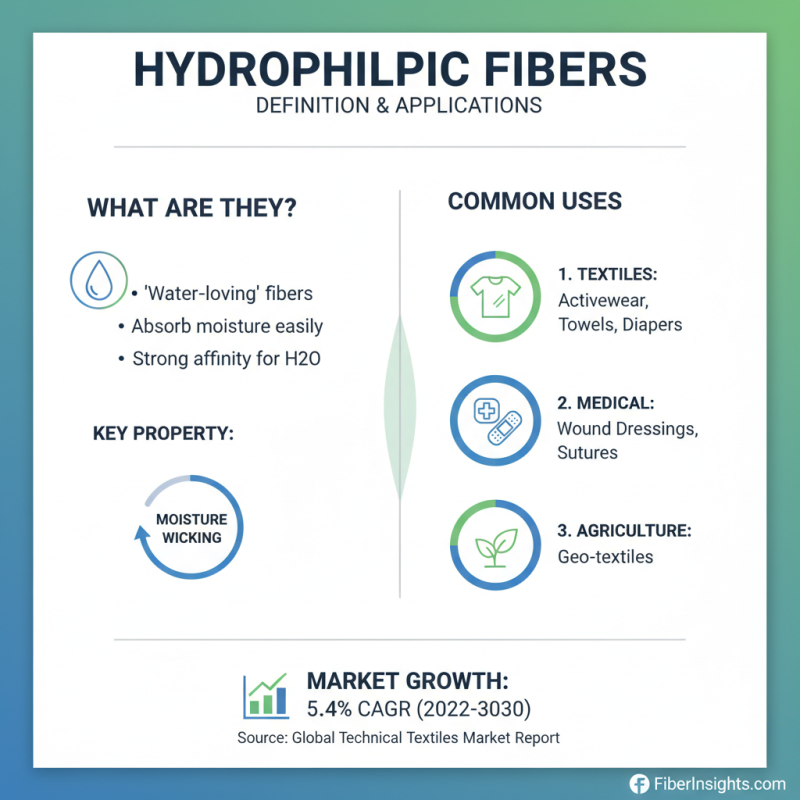
Hydrophilic fiber plays a crucial role in various industries, particularly in textiles and medical applications. By definition, hydrophilic fibers are those that exhibit strong affinity for water. This property enables these fibers to absorb moisture effectively, making them desirable for products like activewear and wound dressings. According to the Global Technical Textiles Market report, the demand for hydrophilic fibers is projected to grow at a CAGR of 5.4% from 2022 to 2030.
The applications of hydrophilic fibers extend beyond clothing. In the medical field, these fibers are essential for creating absorbent materials that promote healing. For instance, they are often used in hydrocolloid dressings, which help maintain a moist wound environment. The World Health Organization highlights the importance of moisture control in wound care, indicating a growing reliance on such technologies.
Despite the advantages, sourcing hydrophilic fibers efficiently presents challenges. Quality control is often inconsistent, leading to variability in performance. Additionally, the supply chain can be complex. Diversifying suppliers and investing in testing can mitigate these issues, ensuring a reliable source for manufacturers. Understanding these dynamics is vital for companies looking to innovate and enhance their product offerings.
Identifying Key Suppliers and Manufacturers of Hydrophilic Fiber
When sourcing hydrophilic fiber, identifying key suppliers and manufacturers is crucial. Start with a thorough market research to find potential partners. Look for companies specializing in fibers that have strong reputations within the industry. Websites, trade shows, and industry publications can offer valuable insights. Pay attention to their customer reviews and case studies. This will help ensure they meet quality standards.
Establishing communication with potential suppliers can provide clarity on their capabilities. Ask detailed questions about their sourcing processes and material certifications. A reliable supplier should offer transparency in their operations. Evaluate their capacity to fulfill your orders consistently. It's important to discuss pricing, delivery times, and return policies upfront to avoid future misunderstandings.
Networking plays a significant role in supplier identification. Engage with industry professionals through forums or associations. Participating in discussions can reveal hidden gems in the hydrophilic fiber market. Be open to feedback from others who have sourced similar materials. This collaboration can streamline your search and improve your sourcing strategy. Remember, a perfect supplier may not exist, but aiming for an optimal fit is essential.
Evaluating Quality Standards and Certifications for Hydrophilic Fiber
When sourcing hydrophilic fiber, quality standards play a crucial role. Evaluating these standards ensures that the fibers meet necessary performance benchmarks. One of the key aspects is checking certifications. Relevant certifications verify that materials have undergone rigorous testing. They reflect adherence to environmental and health regulations.
Moreover, the sourcing process must consider supply chain transparency. Understanding where the fiber comes from can highlight ethical production practices. However, not all suppliers maintain the same level of transparency. This creates challenges in verifying claims. Some certifications may appear credible but fall short in rigorous evaluation.
Real-world experience shows variability in quality among suppliers. It can be frustrating to find consistent reliability in hydrophilic fiber. Engaging directly with manufacturers can provide a clearer picture. Ask for documentation of tests and inspections. This approach compels suppliers to demonstrate their commitment to quality. While sourcing, remain vigilant and question claims. This ensures adherence to genuine standards, ultimately contributing to better product outcomes.
Strategies for Cost-Effective Sourcing of Hydrophilic Fiber
When sourcing hydrophilic fiber, cost-effectiveness is a key factor. Identifying reliable suppliers is crucial. Establish strong relationships with multiple vendors. This opens up negotiation opportunities and may lower prices.
Consider bulk purchasing. It can significantly reduce costs. Suppliers often provide discounts for larger orders. However, this requires careful planning. Ensure you have the storage space and demand to utilize excess inventory effectively. Overbuying can lead to waste and financial strain.
Always keep an eye on market trends. Prices can fluctuate due to various factors. Regularly reviewing market conditions helps in making informed decisions. Additionally, invest in travel to meet suppliers. Face-to-face interactions build trust and understanding. They can lead to better deals and more favorable terms.
Ultimate Tips for Sourcing Hydrophilic Fiber Efficiently - Strategies for Cost-Effective Sourcing of Hydrophilic Fiber
| Sourcing Strategy |
Description |
Estimated Cost Savings (%) |
Lead Time (Days) |
| Bulk Purchasing |
Obtaining large quantities to negotiate better pricing. |
15-30% |
30 |
| Supplier Relationship Management |
Building long-term relationships to secure favorable terms. |
10-20% |
15 |
| Direct Sourcing |
Buying directly from manufacturers to eliminate middlemen. |
20-40% |
45 |
| Alternative Materials |
Exploring substitutes for hydrophilic fibers to reduce cost. |
5-15% |
60 |
| Market Research |
Analyzing market trends to identify the best sourcing options. |
Varies |
Varies |
Best Practices for Building Long-Term Relationships with Suppliers
Building strong relationships with suppliers is essential in sourcing hydrophilic fibers. A reliable partnership can enhance the supply chain and improve product quality. According to a report by Smith & Associates, companies prioritizing supplier relationships experience a 27% reduction in costs over time. This is significant in a market where margins can be tight.
Communication is vital. Regular check-ins help to monitor progress and address issues quickly. Suppliers appreciate transparency, especially regarding timelines and expectations. It fosters trust. A shared understanding of goals can lead to better collaboration. Companies that engage in feedback loops report a 15% increase in supplier performance.
Moreover, recognizing suppliers' challenges can solidify relationships. The industry faces fluctuations in raw material prices and availability. Being empathetic can lead to smoother negotiations. Many suppliers have expressed that they feel more valued when buyers understand their context. Implementing these practices may lead to imperfection, but every misstep is a chance for growth. Building long-term relationships is not always straightforward, yet the benefits are profound.