Top Benefits of Hollow Siliconized Fiber for Global Buyers?
In the dynamic world of textiles, Hollow Siliconized Fiber stands out as a remarkable innovation. James Whitaker, an industry expert with over two decades of experience, asserts, “Hollow Siliconized Fiber can transform the performance capabilities of various products.” This fiber offers unique structural properties that enhance insulation and comfort, making it a sought-after choice for manufacturers.
Buyers globally are recognizing the advantages of Hollow Siliconized Fiber. Its lightweight nature contributes to reduced shipping costs, improving supply chain efficiency. Additionally, the fiber's superior thermal properties provide better insulation, enhancing the comfort of end products. However, the market is not without its challenges. Not all suppliers offer the same quality, leaving buyers to navigate through uncertainties.
Investing in Hollow Siliconized Fiber requires careful consideration. Buyers must assess the reliability of suppliers and the quality of the fiber. As Whitaker reminds us, “Not every choice in the fiber industry guarantees performance.” This highlights the importance of informed decisions. Therefore, companies focusing on quality will discover that the benefits of Hollow Siliconized Fiber can lead to significant competitive advantages.
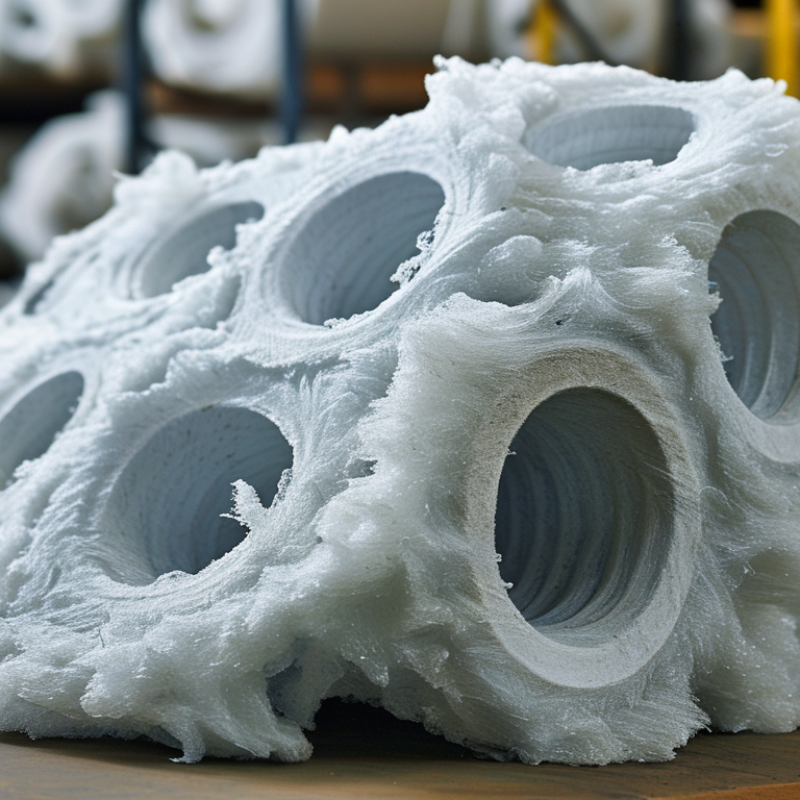
Key Characteristics of Hollow Siliconized Fiber
Hollow siliconized fiber offers unique benefits for buyers worldwide. Its lightweight structure sets it apart from traditional fibers. This characteristic enhances comfort and usability in various applications. From insulation to apparel, its versatility shines. Hollow fibers trap air, providing better thermal insulation. This makes them ideal for outdoor gear and winter clothing.
The durability of hollow siliconized fiber also stands out. It resists wear and tear effectively, ensuring longevity. Despite its strength, it retains a soft feel, which is appealing in consumer textiles. However, improper processing can diminish these benefits. Some manufacturers may neglect quality control, which poses risks. Buyers must ensure sourcing from reliable suppliers.
Moisture management is another key feature. Hollow fibers wick away moisture effectively, keeping users dry. This is crucial in sportswear and active wear. However, it’s important to consider the environmental impact of synthetic fibers. The long-term effects on ecosystems cannot be ignored. Buyers should weigh these concerns against the advantages.
Cost-Effectiveness of Hollow Siliconized Fiber for Buyers
Hollow siliconized fiber is gaining attention in various industries, especially for its cost-effectiveness. Buyers are discovering that this material offers an ideal balance between quality and price. This makes it a preferred choice for manufacturers seeking to reduce expenses while maintaining performance.
One notable aspect is its lightweight nature. This reduces shipping costs and energy consumption during production. Additionally, hollow siliconized fibers provide excellent insulation properties. They keep products warm without adding extra weight. However, potential buyers should assess their specific needs, as not every application may benefit equally from this fiber type.
Durability is another critical factor. While the fibers are strong, they may require specific care to avoid degradation over time. Some users find that initial savings can diminish if maintenance costs are overlooked. It’s essential for buyers to understand that while hollow siliconized fibers are efficient, their long-term viability depends on proper usage and care strategies.
Applications of Hollow Siliconized Fiber in Various Industries
Hollow siliconized fiber has gained traction across several industries due to its unique properties. In the automotive sector, it plays a crucial role in producing lightweight yet durable materials. This can lead to fuel efficiency advantages and lower emissions. According to a recent industry report, materials like hollow siliconized fiber can reduce vehicle weight by up to 15%. This reduction directly contributes to enhanced fuel economy and reduced environmental impact.
In the textile industry, hollow siliconized fibers are notable for adding comfort and insulation. These fibers trap air, providing warmth without bulk. As a result, garments can be thinner yet still effective in cold weather. The global market for insulation materials is projected to grow at a CAGR of 6.5%, with hollow fibers forming a significant part of this segment. The ability to enhance the performance of fabrics makes these fibers crucial in high-performance sportswear.
The construction sector also recognizes the benefits. Hollow siliconized fiber is utilized in insulation materials, offering improved thermal efficiency. This results in energy savings for buildings, addressing both environmental concerns and cost-efficiency. However, the challenge remains in balancing performance and environmental sustainability. As industries increasingly focus on eco-friendly options, the demand for hollow siliconized fibers may rise, but so will the scrutiny regarding their production processes.
Environmental Benefits of Using Hollow Siliconized Fiber
Hollow siliconized fiber presents notable environmental benefits for manufacturers and consumers alike. This material is lightweight yet sturdy, contributing to reduced energy costs during transportation. When buyers choose hollow siliconized fiber, they often notice a decrease in carbon footprints. This change is significant in today’s eco-conscious market.
The production process of hollow siliconized fiber uses fewer chemicals compared to traditional materials. Consequently, waste production is lower. With its ability to insulate effectively, this fiber also enhances energy efficiency in various applications. Homes and industries can minimize energy use, leading to lower emissions.
However, not all is straightforward. The production can still leave some ecological footprints. Buyers must ensure that manufacturers adhere to sustainability standards. This vigilance helps in creating a positive impact on the environment. Choosing hollow siliconized fiber is a step toward a greener future, but awareness of production practices is essential for maximizing its benefits.
Comparative Performance of Hollow Siliconized Fiber vs. Traditional Fibers
Hollow siliconized fibers stand out when compared to traditional fibers. They feature a unique structure that enhances thermal insulation. This property makes them more suitable for a range of applications. For instance, in outdoor gear, they offer better warmth without adding excessive weight.
In terms of durability, hollow siliconized fibers show impressive performance. They resist wear and tear while maintaining their original shape. Traditional fibers often lack this resilience, leading to quicker degradation over time. Users have noted that garments made from these fibers retain comfort longer, which is an essential factor in sustainability.
However, there are nuances to consider. The production process of hollow siliconized fibers can be energy-intensive. It's crucial to weigh these environmental impacts against their benefits. Additionally, some consumers may find the initial cost higher than traditional fibers. This variance can provoke debate regarding value versus performance. As global buyers explore options, informed decisions must take both sides into account.
Top Benefits of Hollow Siliconized Fiber for Global Buyers
| Features |
Hollow Siliconized Fiber |
Traditional Fibers |
| Weight |
Lighter |
Heavier |
| Insulation |
Excellent thermal insulation |
Good insulation |
| Moisture Resistance |
High resistance |
Moderate resistance |
| Durability |
Very durable |
Less durable |
| Cost Efficiency |
Higher initial cost but long-term savings |
Lower initial cost |
| Environmental Impact |
Lower environmental impact |
Higher environmental impact |