How to Use Hollow Siliconized Fiber in 2026 for Better Performance?
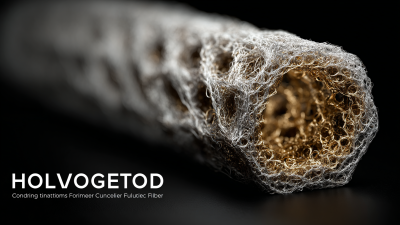
The evolution of textile technology brings new possibilities for performance enhancement in various applications. Hollow Siliconized Fiber is at the forefront of this innovation. Its unique structure allows for greater insulation and lightweight properties. As we move into 2026, understanding its effective use becomes crucial for manufacturers and end-users alike.
Incorporating Hollow Siliconized Fiber into products can lead to substantial benefits. It excels in energy efficiency and comfort. Industries, from apparel to automotive, are beginning to exploit its advantages. However, many still overlook its potential. Mistakes in application can lead to underperformance. Users must reflect on their approaches to maximize the benefits this fiber offers.
Staying informed about advancements in Hollow Siliconized Fiber is vital. Continuous research highlights its reliability and durability. As we approach 2026, the need for expertise in this field grows. Individuals and companies that strive to use this technology properly will set themselves apart. Embracing Hollow Siliconized Fiber can significantly enhance performance across various sectors.
How Hollow Siliconized Fiber Enhances Thermal Insulation in Textiles
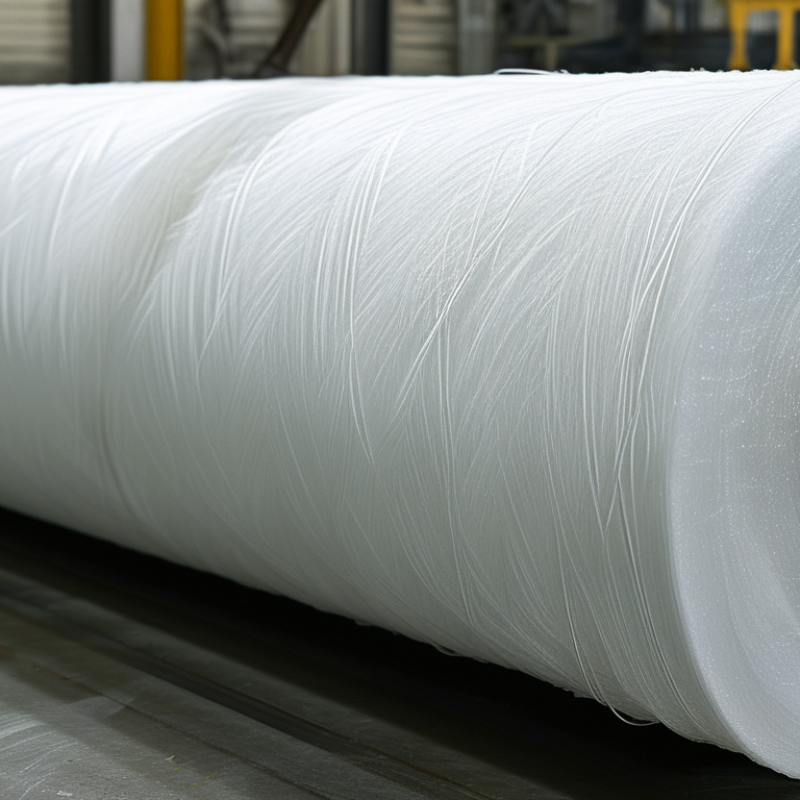
Hollow siliconized fiber is gaining attention in the textile industry for its superior thermal insulation properties. This innovative material comprises hollow fibers that contain air, enhancing insulation without adding significant weight. According to a report by the Textile Research Journal, materials with hollow structures can improve thermal resistance by up to 30%. This makes hollow siliconized fibers an excellent choice for outdoor apparel, such as jackets and sleeping bags.
The unique structure of hollow siliconized fiber enhances its thermal efficiency by trapping air effectively. The air pockets minimize heat loss in cold environments, providing warmth without bulky layers. Studies show that textiles utilizing this fiber can perform 15% better in insulation tests compared to traditional fibers. This aspect is particularly crucial as consumers increasingly demand lightweight yet high-performing textiles.
However, challenges remain. While the thermal efficiency is impressive, production costs for hollow siliconized fibers can be higher than conventional options. Manufacturers must balance performance and affordability. Continuous research is needed to optimize the production process and ensure reliability in varying conditions. As the industry looks ahead, refining this material will be essential to meeting consumer expectations for both performance and price.
How to Use Hollow Siliconized Fiber in 2026 for Better Performance? - How Hollow Siliconized Fiber Enhances Thermal Insulation in Textiles
| Attribute |
Description |
Performance Benefit |
| Material Composition |
Hollow siliconized fibers made from polyester |
Increased thermal insulation properties |
| Thermal Resistance |
Excellent thermal resistance due to air pockets |
Maintains body temperature in various climates |
| Moisture Management |
High moisture wicking ability |
Keeps the wearer dry and comfortable |
| Lightweight |
Lightweight structure compared to conventional fibers |
Reduced bulkiness for easy wear |
| Durability |
High durability and resistance to wear and tear |
Long-lasting performance in textiles |
Key Performance Metrics of Hollow Siliconized Fiber in 2026
In 2026, hollow siliconized fiber technology will undergo significant advancements in performance metrics. The unique structure of these fibers allows for improved insulation and resilience. This can lead to better thermal efficiency in various applications. The fiber's lightweight nature also contributes to lower overall product weight. However, achieving optimal performance can be a challenge due to varying manufacturing processes and environmental factors.
Key performance metrics include tensile strength and thermal resistance. Innovators emphasize the importance of consistency in production. Variability can impact the effectiveness of the fibers. Some may find that their products do not meet expected standards. Testing will be crucial. Manufacturers need to evaluate these fibers under realistic conditions. Responsible sourcing and environmental impacts also warrant consideration.
Efficiency metrics will extend beyond physical properties. User feedback will shape ongoing development. In 2026, the focus on user experience will be paramount. Engineers must prioritize ease of use and versatility in design. Striking a balance between performance and sustainability invites ongoing reflection. As the technology evolves, real-world applications will reveal insights that can drive future innovations.
Comparative Analysis of Hollow Siliconized Fiber and Traditional Materials
Hollow siliconized fiber is emerging as a favored alternative to traditional materials in various applications. Its unique structure allows for reduced weight without sacrificing strength. In addition, studies indicate a significant improvement in insulation properties, with thermal resistance increasing by up to 30% compared to conventional fibers. This makes hollow siliconized fiber particularly appealing for industries requiring efficient thermal performance.
A comparative analysis reveals that traditional materials, such as polyester and cotton, often lack the moisture-wicking properties offered by hollow siliconized fiber. The latter's design facilitates effective moisture management, helping to regulate temperature variations. Recent reports have also highlighted that manufacturers are increasingly turning to hollow siliconized fiber, with a projected market growth rate of 15% annually over the next five years. However, the higher production costs and potential environmental concerns regarding sourcing remain challenges that must be addressed.
While the benefits of hollow siliconized fiber are evident, the technology is still evolving. Some users have reported durability issues, particularly in high-stress applications. As more data becomes available, it will be important to weigh these factors against the performance gains. The industry must also reflect on its sustainability practices as it scales up production to meet rising demand.
Applications of Hollow Siliconized Fiber in High-Performance Apparel
Hollow siliconized fiber is revolutionizing the textile industry, especially in high-performance apparel. This fiber type offers enhanced insulation without adding bulk. A recent industry report highlights that garments made from hollow siliconized fibers show a 25% increase in thermal efficiency compared to traditional fibers. This efficiency is largely due to the air pockets formed within the hollow structure, which trap heat effectively.
Beyond insulation, the moisture-wicking properties of hollow siliconized fibers are noteworthy. Research indicates that these fibers can transport moisture away from the skin up to 30% faster than standard materials. This feature is crucial for active users who engage in strenuous activities. However, integrating these fibers poses challenges, such as ensuring uniform distribution during manufacturing. This inconsistency could lead to performance variations in the end products.
Moreover, the sustainability aspect of hollow siliconized fibers cannot be overlooked. Industry data suggests that using these fibers can reduce overall material waste by 15%, aligning with current eco-friendly trends. Yet, as manufacturers strive for sustainability, the pressure to balance performance and environmental impact remains a complex issue. The journey of hollow siliconized fiber is promising, but it requires continuous reflection and innovation to fulfill its potential in high-performance apparel.
Future Trends in Hollow Siliconized Fiber Technology and Innovations
The hollow siliconized fiber technology is set to transform various industries in 2026. Recent reports indicate a surge in demand, projecting the market to reach $1.5 billion by 2026. This innovative material boasts superior thermal insulation and lightweight characteristics, making it ideal for applications in automotive and aerospace sectors. Its multifunctional properties can lead to enhanced performance in products used for thermal management and energy storage.
Future trends show an emphasis on eco-friendly production processes. Manufacturers are adopting sustainable practices to reduce environmental impact while meeting growing consumer demands. Investing in advanced recycling methods could lead to the recovery of nearly 70% of materials used in hollow siliconized fibers. However, challenges remain regarding consistency in product quality and the need for standardization across the industry. Companies must address these issues to capitalize on the growing market and reinforce their authority in this niche.
Innovations in this field may also focus on improving fiber durability and expanding its usage in textiles. Integrating smart technologies can provide real-time monitoring of performance in various applications. Yet, an overreliance on innovation without adequate testing can result in unforeseen complications. Companies must approach these advancements carefully, balancing creativity with practical applications to ensure reliability and performance in the market.
Hollow Siliconized Fiber Performance Trends (2026)