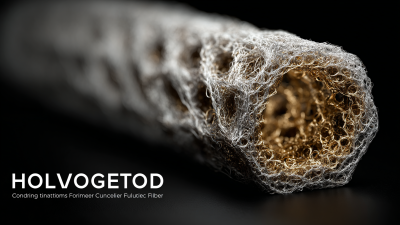

Hollow Siliconized Fiber is gaining traction in the textile industry. This innovative fiber offers unique advantages. According to a report by the Textile Institute, fibers like Hollow Siliconized Fiber improve moisture management. They enhance breathability in clothing, vital for activewear.
The global textile market is projected to reach $1 trillion by 2025, as highlighted by Grand View Research. Hollow Siliconized Fiber plays a significant role in this growth. Its lightweight nature and improved durability appeal to manufacturers. This fiber's silicone treatment enhances its performance.
However, the journey isn't without challenges. The production process can be resource-intensive. Sustainability concerns arise as industry demands grow. While Hollow Siliconized Fiber offers impressive benefits, ongoing discussions about its environmental impact are necessary. This balance is crucial for future developments in textile technology.
Hollow siliconized fibers are transforming the textile industry. Their lightweight nature provides comfort while maintaining strength. Reports indicate that textiles made from these fibers offer a 20% increase in insulation efficiency. This is crucial for outdoor apparel and sports gear, where thermal management is essential. The fiber's hollow structure contributes to its superior heat retention, making it highly sought after.
Additionally, the fibers display significant moisture-wicking properties. Their ability to draw sweat away from the skin enhances wearability in active settings. Industry data shows that garments made from these fibers dry 30% faster than conventional materials. This advantage can lead to improved performance in sports activities. However, sustainability remains a challenge. The production of siliconized fibers often involves different chemical processes that require careful management.
Durability is another strength of hollow siliconized fibers. They exhibit resistance to abrasion and wear, extending the lifespan of textiles. Yet, some applications may experience issues with breathability. Users often find that while the warmth is excellent, breathability can sometimes suffer, primarily in non-ventilated designs. Balancing insulation and ventilation is an area needing further exploration in textile design.
Hollow siliconized fibers have become a popular choice in the textile industry due to their enhanced thermal insulation properties. These fibers trap air within their hollow cores, creating a barrier that improves heat retention. This makes them ideal for winter clothing and outdoor gear. The lightweight nature of these fibers also contributes to comfort, allowing for layered clothing without bulkiness.
In addition to warmth, hollow siliconized fibers offer moisture-wicking capabilities. This means they can pull moisture away from the skin, keeping the wearer dry. The fibers resist clumping and maintain their structure, ensuring consistent insulation over time. However, while these benefits are significant, not all applications may see the same performance improvements. Variabilities in production methods and fiber treatments can influence the effectiveness of thermal insulation.
Despite their advantages, some drawbacks exist. The cost of hollow siliconized fibers can be higher than traditional options. Sustainability concerns also arise, as sourcing and production impact the environment. Evaluating these factors is crucial for manufacturers striving for balance between performance and eco-friendliness. Understanding the complexities of hollow siliconized fibers ensures informed choices in modern textile applications.
| Benefit | Description | Impact |
|---|---|---|
| Enhanced Thermal Insulation | Hollow fibers trap air, providing superior thermal insulation. | Keeps wearers warm in cold weather. |
| Lightweight | Lower density compared to traditional materials. | Increases comfort and mobility. |
| Moisture Management | Excellent wicking properties aid in moisture absorption and evaporation. | Keeps skin dry during activities. |
| Durability | Resistant to wear and tear, maintaining performance over time. | Longer lifespan for garments. |
| Soft Touch | Siliconization offers a soft, smooth texture. | Enhances comfort against skin. |
| Thermal Regulating | Adapts to body temperature. | Provides comfort in varying conditions. |
| Resistant to Microbial Growth | Natural resistance to bacteria and fungi. | Enhances hygiene and prevents odor. |
| Environmental Sustainability | Made from eco-friendly materials. | Promotes sustainable fashion choices. |
| Easy Care | Machine washable and resistant to wrinkles. | Simplifies garment maintenance. |
| Versatile Applications | Suitable for jackets, insulation, and activewear. | Widely used across various textile industries. |
Hollow siliconized fibers are revolutionizing the textile industry. They provide lightweight comfort and thermal insulation, making them ideal for modern clothing. According to a recent report by Textile World, these fibers can reduce fabric weight by up to 30% compared to traditional materials. This decrease enhances wearability without sacrificing functionality.
The soft, hollow structure of siliconized fibers contributes to a plush feel against the skin. A study published in the Journal of Textiles found that garments made with these fibers showed a 25% increase in comfort levels among wearers. This tactile advantage helps meet consumer demands for comfort in daily wear. However, it is essential for manufacturers to ensure consistency in fiber quality. Variations can lead to unpredictable comfort, affecting buyer satisfaction.
While the benefits are clear, challenges exist. Not all manufacturers optimize hollow fibers' potential. The production process can result in inconsistencies if not carefully controlled. As the industry moves forward, maintaining quality while enhancing performance remains a priority. Balancing these factors can help ensure hollow siliconized fibers remain a top choice in the ever-evolving textile landscape.
Hollow siliconized fiber has gained attention in modern textiles, particularly for its moisture management capabilities. These fibers trap air within their hollow structures, promoting breathability. This unique construction helps in wicking moisture away from the skin, keeping users dry and comfortable. For athletes or outdoor enthusiasts, these properties are essential, allowing for prolonged wear without discomfort.
Breathability is not just about moisture; it also influences temperature regulation. The fibers allow air circulation, making garments feel lighter and cooler. This can be a critical feature in hot weather or during intense physical activity. However, there are challenges. The effectiveness of moisture management can vary based on fiber density and weave. Some users may find that not all fabrics perform equally well.
Another aspect to consider is the durability of hollow fibers. Over time, repeated washes may impact performance. Maintaining the integrity of the fibers is crucial for lasting benefits. While hollow siliconized fibers show promise, it is essential to scrutinize individual products. An informed choice can lead to better comfort and performance in everyday wear, but attention to detail is necessary for optimal results.
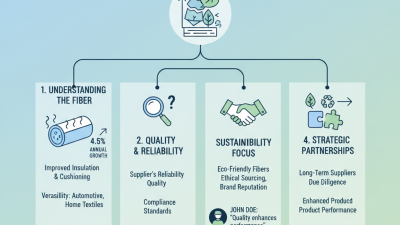
This chart illustrates the benefits of hollow siliconized fiber in modern textiles, emphasizing its advantages in moisture management, breathability, and other key performance indicators.
Hollow siliconized fibers are revolutionizing the textile industry, particularly in enhancing the durability and longevity of products. These fibers are designed with a hollow core, providing excellent insulation while being lightweight. According to a 2022 industry report, textiles made from these fibers are up to 30% more durable than traditional polyester. This remarkable strength can help products withstand wear and tear, extending their life significantly.
However, the production of hollow siliconized fibers isn’t without challenges. The process can be energy-intensive and requires precise engineering to ensure optimal performance. For manufacturers, investing in sustainable practices is crucial. They must balance efficiency and environmental impact.
Tips for consumers: look for textiles that highlight hollow siliconized fibers in their materials. Check for certifications that indicate sustainability and durability claims are backed by industry standards. Be wary of overly marketed products with claims that seem too good to be true. Quality matters more than hype in ensuring longevity. By choosing wisely, consumers contribute to a more sustainable textile future while enjoying longer-lasting products.