
The demand for sustainable materials in the textile industry is growing. Recycled PSF Fiber, with its versatility and eco-friendly properties, is becoming a preferred choice among global buyers. A recent report by the Textile Exchange highlights that recycled fibers could significantly reduce greenhouse gas emissions by up to 80%. This makes Recycled PSF Fiber a game-changer in promoting sustainability.
Many brands are seeking innovative solutions to meet regulatory requirements and consumer expectations. For example, the use of Recycled PSF Fiber can help brands achieve circular economy goals. Approximately 15 million tons of plastic waste are produced annually, yet only a small fraction is recycled. This indicates a significant opportunity for brands to invest in sustainable fibers.
While the benefits are clear, challenges remain. The quality of Recycled PSF Fiber can vary among suppliers. Buyers must carefully evaluate sources to ensure reliability. Some products may not meet the same standards as virgin fibers. Despite these challenges, the potential for sustainable impact is immense. Embracing Recycled PSF Fiber can lead to a greener future for the textile industry.

Recycled polyester staple fiber (PSF) offers significant benefits for sustainable manufacturing. One of the most notable advantages is its lower environmental impact. By using recycled materials, manufacturers can significantly reduce energy consumption. For instance, producing recycled PSF requires less water and emits fewer greenhouse gases compared to virgin fibers. This shift not only conserves natural resources but also helps in combating climate change.
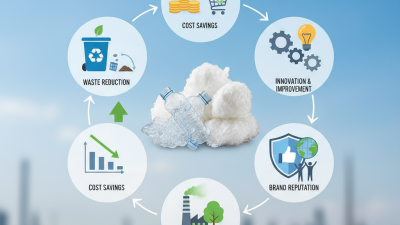
Moreover, recycled PSF contributes to waste reduction. It repurposes plastic waste that would otherwise end up in landfills or oceans. By closing the loop in the textile industry, recycled fibers create a more sustainable supply chain. This transformation is vital as the textile industry is one of the largest polluters globally. Embracing recycled materials can elevate a brand’s reputation among eco-conscious consumers.
However, the transition to recycled PSF is not without challenges. Some manufacturers may find it more complex to source high-quality recycled fiber consistently. This variability can affect product quality, leading to potential dissatisfaction among customers. Despite these hurdles, the benefits of integrating recycled PSF can be substantial, marking a progressive step toward a circular economy in textile manufacturing.
Recycled Polyester Staple Fiber (PSF) offers significant cost efficiency for global buyers. By utilizing recycled materials, companies can reduce production costs while still maintaining quality. Sourcing recycled PSF often leads to lower raw material expenses compared to virgin fibers. This is vital in today’s competitive market, where price fluctuations can drastically impact profit margins.
Tips: Consider renegotiating contracts with suppliers who offer recycled options. Analyze the cost benefits of using recycled materials versus traditional fiber.
Using recycled PSF can also optimize supply chain efficiency. It typically requires less energy for production, which lowers operational costs. Reduced energy consumption not only supports sustainable practices but also enhances a company's green credentials. Buyers should evaluate their energy use carefully.
Tip: Keep track of your energy expenditure. Small adjustments in sourcing can lead to significant savings over time.
However, transitioning to recycled PSF isn't without challenges. The availability of high-quality recycled fiber may vary by region. Buyers may face inconsistencies in supply, which could hinder production schedules. Engaging with multiple suppliers can ensure a more stable supply chain and mitigate these risks.
The use of recycled Polyester Staple Fiber (PSF) is transforming the textile industry. By incorporating recycled materials, manufacturers significantly reduce environmental impacts. According to the Textile Exchange 2021 report, using recycled PSF can reduce greenhouse gas emissions by up to 79%. This is a substantial improvement compared to virgin polyester production.
One major benefit is the significant decrease in energy consumption. Recycled PSF requires 60% less energy than traditional methods. Additionally, water usage drops by 50%. This energy and water conservation is crucial as global water scarcity becomes increasingly pressing. However, challenges remain in the recycling process. Some fibers may lose their quality during recycling. Ensuring consistent quality in recycled PSF is essential for wide-scale adoption.
Consumer awareness is growing, and buyers increasingly seek eco-friendly products. This trend is supported by a 2022 survey conducted by GlobalData, revealing that 75% of respondents consider sustainability when making purchasing decisions. Yet, the question persists: Can the industry keep up with the rising demand for recycled materials? Addressing this challenge will require collaboration across supply chains to meet the expectations of environmentally conscious consumers.
| Benefit | Description | Environmental Impact | Economic Advantage |
|---|---|---|---|
| Reduced Waste | Helps to divert plastic waste from landfills and oceans. | Significant reduction in plastic pollution. | Lower disposal costs. |
| Conservation of Resources | Reduces the need for virgin materials. | Decreased environmental strain from raw material extraction. | Lower raw material costs. |
| Energy Savings | Recycling PSF requires less energy than producing new fiber. | Decreased carbon footprint. | Lower energy costs in production. |
| Quality Materials | Recycled PSF can perform comparably to virgin fibers. | Encourages sustainable consumer choices. | Potential for premium pricing. |
| Support for Circular Economy | Promotes a system where products are reused and recycled. | Minimizes resource depletion. | Encourages innovation and sustainability-focused businesses. |
| Job Creation | Recycling initiatives create new jobs in collection, processing, and manufacturing. | Enhances community engagement in sustainability. | Boosts local economies through job creation. |
| Enhanced Brand Image | Using recycled materials can improve consumer perceptions. | Promotes a positive environmental commitment. | Attracts eco-conscious customers. |
| Regulatory Compliance | Meeting sustainability regulations can be easier with recycled materials. | Helps avoid fines and penalties. | Saves costs related to compliance issues. |
| Consumer Demand | Increasing consumer preference for sustainable products. | Drives market trends toward sustainability. | Potential for increased sales. |
Recycled PSF fiber has become a game-changer in several industries. It provides versatility and sustainability, appealing to environmentally conscious buyers. In textiles, it is used for clothing production, home furnishings, and automotive interiors. This fiber offers a chance to reduce waste while creating quality products. Many companies opt for recycled PSF fiber to enhance their eco-friendly branding.
In construction, recycled PSF fiber plays a crucial role. It can be used in insulation materials, thereby improving energy efficiency. This application reduces consumption of virgin materials. The automotive industry also benefits from its lightweight characteristics, improving fuel efficiency. Thus, industries are shifting towards this sustainable solution for competitive advantage.
Despite its benefits, challenges exist. The quality of recycled PSF can vary based on sourcing. Inconsistent fiber quality can affect production. Buyers must ensure they partner with reliable suppliers. This scrutiny can sometimes slow down sourcing processes. As industries recognize these hurdles, ongoing improvements in recycling technologies may help address these concerns.
The comparison between recycled PSF fiber and virgin fiber options highlights key differences crucial for buyers. Recycled PSF fiber offers significant advantages in sustainability. It utilizes post-consumer waste, reducing landfill contributions. In contrast, virgin fiber relies heavily on natural resources and processes.
Quality-wise, recycled PSF fiber can match virgin fiber standards. Advanced processing techniques improve its durability and resilience. However, some buyers may perceive recycled fiber as inferior. This misconception can stem from a lack of understanding of recycling technologies. In reality, many recycled products deliver similar performance levels to their virgin counterparts.
Cost considerations also play a role in decision-making. Recycled PSF fiber often presents a more economical choice over time. As the demand for eco-friendly options grows, prices may become more competitive. Nevertheless, buyers should remain cautious. Variability in quality exists among recycled fibers. Being proactive in sourcing and vetting suppliers is essential. This approach ensures the selection of high-quality recycled PSF fiber for their applications.