Best Sustainable Sanitary Pads for Eco Friendly Living?
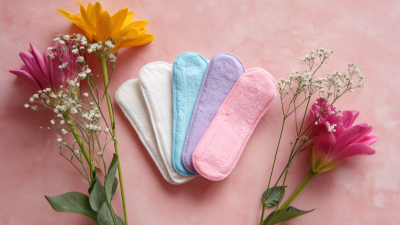
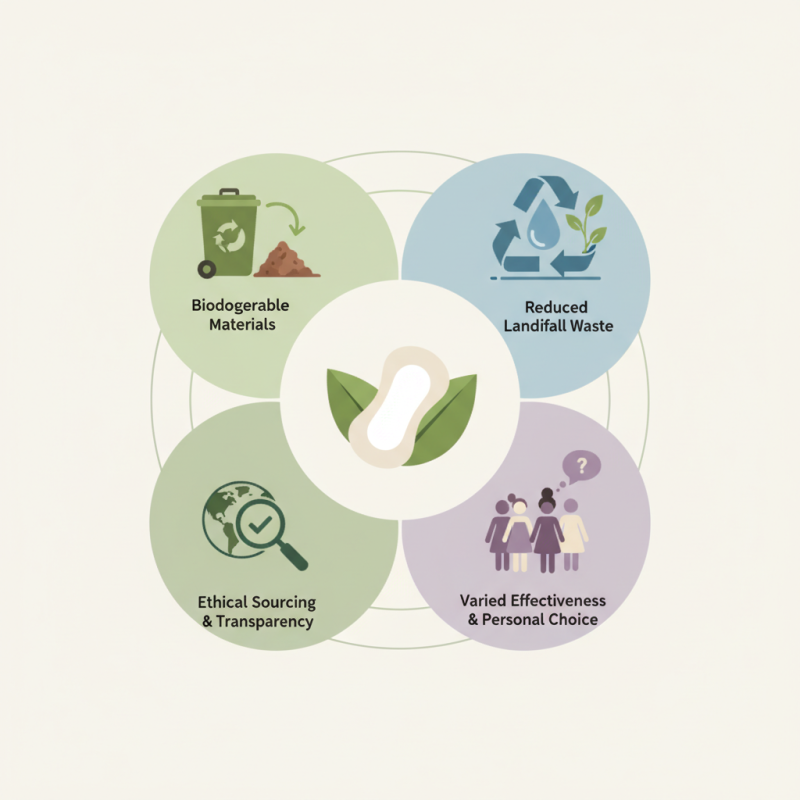
Choosing sustainable options is crucial for our environment. One such choice is the use of sustainable sanitary pads. These pads are designed to minimize environmental impact. They are made from organic materials that biodegrade easily. This reduces waste in landfills, which is a significant concern.
Many brands focus on creating effective and eco-friendly products. They offer various styles and absorbencies to fit different needs. It's important to research and find a brand that aligns with your values. Some companies prioritize transparency in their sourcing and manufacturing processes. This builds trust and ensures quality.
However, while sustainable sanitary pads are a step forward, they are not perfect. The market is still developing, and options may vary greatly in effectiveness. Some users may experience leaks or discomfort. It's essential to read reviews and choose wisely. Striving for sustainability is an ongoing journey, and learning from experiences is key to making informed choices.
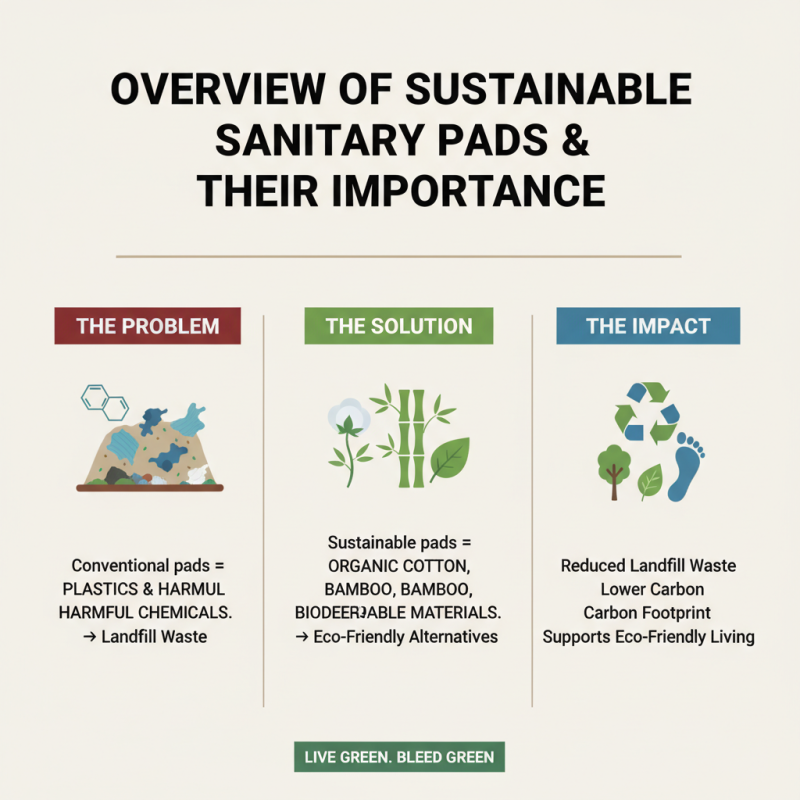
Overview of Sustainable Sanitary Pads and Their Importance
Sustainable sanitary pads are crucial for eco-friendly living. They offer an alternative to conventional pads, which often contain plastics and harmful chemicals. Many sustainable options are made from organic cotton, bamboo, or biodegradable materials. Such materials reduce landfill waste and lessen our carbon footprint.
Using eco-friendly pads can create a significant impact over time. Traditional pads can take hundreds of years to decompose. In contrast, sustainable pads are designed to break down naturally. This choice supports not only individual health but also the health of our environment. However, availability and cost can be barriers for some consumers, prompting reflection on accessibility and affordability issues.
Each person's choice contributes to a larger movement toward sustainability. While many are becoming aware of the benefits, there's still room for growth in awareness and education. More discussions about menstrual products and environmental responsibility can lead to lasting change. Engaging in this dialogue enables us to challenge old norms and prioritize a cleaner planet.
Types of Eco-Friendly Materials Used in Sanitary Pads
When it comes to eco-friendly living, the materials used in sanitary pads play a crucial role. Many brands now utilize organic cotton, which is produced without synthetic pesticides or fertilizers. This reduces harm to the environment and supports better soil health. Another option is bamboo, known for its rapid growth and ability to absorb carbon. Bamboo pads are biodegradable, making them a suitable choice for those looking to lessen their ecological footprint.
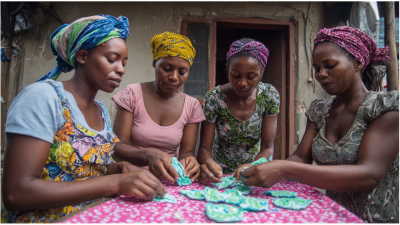
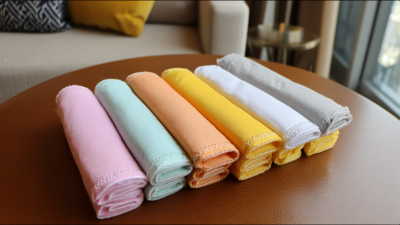
Some pads also incorporate plant-based bioplastics. These materials, derived from renewable resources, break down more easily than traditional plastics. They offer a sustainable alternative to conventional pads, where plastic waste contributes to pollution. Additionally, reusable fabric pads made from organic cotton or hemp are gaining in popularity. They provide a long-lasting solution that minimizes waste, though they require regular washing.
Despite the benefits, it's important to acknowledge the challenges. Some eco-friendly options might be less absorbent than regular pads. Users may need to experiment with different products to find what suits their needs. Additionally, the initial cost of reusable pads may be higher, presenting a barrier for some. Consumers must weigh the long-term benefits against these challenges, fostering a more sustainable lifestyle through informed choices.
Benefits of Choosing Sustainable Sanitary Pads
Choosing sustainable sanitary pads offers numerous benefits for both the environment and personal health. Conventional pads contribute significantly to waste, with an estimated 20 billion disposable pads ending up in landfills annually. Research shows that these products can take hundreds of years to decompose, releasing harmful chemicals into the soil and water during their breakdown. Switching to sustainable options can drastically reduce this environmental impact.
By selecting pads made from organic cotton or biodegradable materials, users benefit from fewer chemicals in their bodies and the ecosystem. Studies indicate that organic cotton is grown without harmful pesticides, making it safer for sensitive skin. Additionally, using sustainable pads can positively impact menstrual health. Many users report fewer allergies and irritations when using natural materials.
Tips: Look for certifications that guarantee the product’s sustainability. Check for materials like bamboo, which is fast-growing and renewable. Remember, while choosing sustainable products might require a lifestyle change, the long-term benefits far outweigh the initial effort. Reflect on your choices and consider how they affect both your health and the planet.
Comparison of Leading Sustainable Sanitary Pad Brands
When choosing sustainable sanitary pads, it's essential to evaluate various brands based on their materials and environmental impact. Many pads use organic cotton, free from harmful pesticides. Others incorporate bamboo or hemp, which are more sustainable resources. Consider the packaging as well; eco-friendly brands often use biodegradable materials.
Different brands excel in different areas. While some offer ultra-absorbent options, others focus on sensitivity for skin. It might be tricky to find a pad that meets all your needs. Some users report discomfort with certain materials. Testing various products can help pinpoint the best fit for your comfort and eco-friendly goals.
Tips: Look for certifications indicating organic materials. Check for reusable options that can further reduce waste. Always listen to your body. If a pad irritates your skin, consider switching brands. Ultimately, the choice of a sustainable pad should align with your lifestyle and values.
Tips for Transitioning to Eco-Friendly Sanitary Products
Switching to eco-friendly sanitary products can feel overwhelming, but small steps can lead to meaningful change. According to a 2020 study by the Global Sustainability Coalition, about 45 billion sanitary products end up in landfills each year. Transitioning to sustainable choices can significantly reduce this waste. Start by exploring options like bamboo pads or reusable cloth products, which have less environmental impact than traditional disposable pads.
When making the change, consider your comfort and convenience. Many eco-friendly products now mimic the feel of conventional pads. This means you won't sacrifice comfort for sustainability. Remember, the learning curve can be imperfect; it might take time to find what works for you. Data from the Eco-Friendly Menstrual Health Report indicates that around 70% of women experience period anxiety when switching to greener options. Be patient with yourself during this adjustment phase.
Moreover, connecting with communities can help ease the transition. Many online forums and social media groups share tips and experiences, making the switch more manageable. Engaging with these resources can provide encouragement and insights from those who have successfully adopted eco-friendly products. The journey towards sustainable living may have its challenges, but every small action contributes to a healthier planet.