




China Best Extra Thick Pads for Global Buyers?
China has become a major sourcing destination for Extra Thick Pads, serving hospitals, retailers, wholesalers, and humanitarian buyers. However, thickness alone does not prove better protection. A pad may look substantial but still leak near the back or feel uncomfortable between the legs.
Dr. Jen Gunter, a respected gynecologist and women’s health author, has stated, “Menstrual products are not a luxury.” That principle should guide every purchasing decision. Global buyers need products that protect dignity, comfort, and daily mobility. They should examine the absorbent core, topsheet softness, adhesive strength, wing design, and individually wrapped packaging. Small details matter. A loose wrapper can damage trust.
Reliable Chinese suppliers usually provide product specifications, absorbency test results, factory information, and sample approvals. Buyers should request measurements, including length, width, thickness, and core weight. They should also check whether the product meets the destination market’s safety and labeling requirements. Independent laboratory testing adds confidence, especially for sensitive skin claims.
There is no perfect pad for every user. A very thick design may help during heavy flow, overnight use, or postpartum recovery. Yet it can also feel warm, stiff, or bulky. That trade-off deserves honest evaluation. Some buyers focus too heavily on price and minimum order quantity. That is a mistake. A practical comparison should include leakage performance, defect rates, packaging durability, production consistency, and communication speed.
This guide examines China’s best Extra Thick Pads for global buyers through those measurable factors. The strongest supplier is not always the cheapest. It is the one that delivers dependable performance, transparent evidence, and consistent quality over time.

What Defines an Extra Thick Sanitary Pad?
China Best Extra Thick Pads for Global Buyers?
What Defines an Extra Thick Sanitary Pad?
“Extra thick” is not a universal technical classification. It usually describes a pad with a deeper absorbent core, but thickness alone proves little. A reliable evaluation should examine fluid absorption, retention, rewet, leakage control, and surface dryness. EDANA’s absorbent hygiene test methods assess these performance areas, rather than relying only on product appearance.
A thicker core may provide more capacity for heavy flow. It may also feel warmer, stiffer, or less discreet. That trade-off matters. The WHO and UNICEF Joint Monitoring Programme reported that about 1.8 billion people menstruate worldwide, while hundreds of millions still lack adequate menstrual health support. For global buyers, comfort and dependable protection should accompany higher absorbency.
In practical terms, an extra thick pad often includes a higher-capacity pulp or superabsorbent core, reinforced side barriers, and a breathable backsheet. Buyers should request test results under recognized laboratory methods. Ask about absorption volume, rewet levels, dimensions, and leakage performance. “Longer” does not always mean “better.”
I would question any specification listing only millimeters. That figure can hide poor fluid distribution. A 5-millimeter pad may outperform a thicker product when its core spreads liquid efficiently. Material safety, skin-contact testing, packaging integrity, and production consistency also deserve review. These details are less visible, but they define professional quality.
China Best Extra Thick Pads for Global Buyers? - What Defines an Extra Thick Sanitary Pad?
| Evaluation Dimension | Practical Reference for Extra-Thick Pads | Why It Matters to Global Buyers | How to Verify |
|---|---|---|---|
| Product Thickness | Typically about 8–15 mm at the thickest point, depending on the product structure and measurement method. “Extra thick” is not a single globally regulated thickness category. | A thicker profile may support higher absorbent-core capacity and a more cushioned feel, but it can also reduce discretion and increase package volume. | Request a defined test method, measurement location, sample photographs, and independent dimensional inspection. |
| Absorbent Core | Common constructions use fluff pulp, superabsorbent polymer (SAP), or a combination of both. Core weight and distribution should be specified separately from total product weight. | The core design influences fluid retention, rewet performance, leakage resistance, and the ability to maintain performance during movement. | Ask for the material specification, SAP percentage or weight where applicable, absorbent-core layout, and laboratory test results. |
| Absorption Capacity | Capacity varies significantly by size and test protocol. A credible specification should state the test method, sample size, conditioning, and result rather than relying only on terms such as “heavy flow.” | Comparable test conditions are essential when evaluating products from different suppliers or markets. | Use an accredited or qualified laboratory and compare results generated under the same recognized method. |
| Length Options | Common overnight and heavy-flow formats are approximately 280–420 mm long; actual market offerings vary by country and use case. | Longer designs can provide greater front-to-back coverage, especially for nighttime use, but may require suitable underwear and packaging dimensions. | Confirm finished length, usable absorbent area, front and rear profile, and dimensional tolerances from production samples. |
| Width and Wing Design | Wings, side barriers, and a wider rear section are commonly used to improve positioning and help reduce side leakage. Width is product-specific rather than standardized. | Fit and wing adhesion affect comfort, movement stability, and user acceptance across different underwear styles. | Evaluate wing dimensions, adhesive coverage, release-paper removal, peel strength, and performance after simulated movement. |
| Leakage Protection | Useful features may include raised side barriers, embossed channels, a breathable backsheet, and a shaped core. No single feature guarantees leak protection. | Leakage performance depends on the interaction between absorbency, fit, fluid distribution, movement, and wearing time. | Conduct repeated tests using controlled fluid volumes, different flow rates, horizontal and movement conditions, and multiple samples. |
| Surface Sheet | Top sheets are commonly made from nonwoven materials designed for rapid fluid passage and skin contact. Surface softness, dryness, and liquid transfer should be assessed together. | A soft, dry-feeling surface can improve comfort, while poor fluid transfer may cause pooling or rewetting even when the core is thick. | Check material composition, strike-through time, rewet level, surface pH where applicable, and skin-contact safety documentation. |
| Backsheet and Breathability | The backsheet may use polyethylene film, breathable film, or a laminated nonwoven structure. Breathability is usually described using a defined moisture-vapor or air-permeability test. | A suitable backsheet helps balance leakage resistance, heat management, flexibility, and product integrity. | Request the backsheet specification, breathability test method, waterproofing results, and visual inspection after simulated use. |
| Fragrance and Skin-Sensitivity Considerations | Fragrance-free options are often preferred for users concerned about fragrance exposure. “Hypoallergenic” should only be used when supported by appropriate evidence and market requirements. | Clear ingredient and treatment disclosure can reduce compliance risk and support informed consumer choice. | Review the bill of materials, skin-contact materials, fragrance declaration, sensitization assessment, and destination-market labeling rules. |
| Hygiene and Safety Compliance | Key controls may include microbial limits, chemical safety, restricted substances, adhesive safety, and production hygiene. Requirements differ by destination market. | Compliance documentation helps importers meet local regulations and reduces product-liability and customs risks. | Obtain current test reports, declarations of conformity where required, quality-system records, and batch traceability documents. |
| Packaging and Shelf Life | Individual wrapping, sealed outer packaging, lot coding, production date, and storage instructions are important for hygiene. Shelf-life claims must be supported by stability or packaging data. | Packaging protects the product from moisture, dust, odor, and handling damage during international transport and warehouse storage. | Check seal strength, carton compression, moisture protection, barcode readability, traceability, and shipping-test results. |
| Sustainability Information | Environmental claims should identify the exact component or process involved, such as packaging reduction, certified fiber, or recycled-content packaging. | Specific, verifiable claims are more useful than broad statements such as “eco-friendly” and can support retailer compliance requirements. | Request certifications, chain-of-custody records where applicable, material percentages, and documentation supporting environmental claims. |
| Quality Consistency | Important controls include basis weight, thickness, absorbent-core placement, adhesive application, seal quality, dimensions, and visual defects. | Consistent production is essential for private-label programs, repeat purchasing, customer satisfaction, and regulatory traceability. | Use approved samples, written specifications, incoming inspection plans, acceptance limits, batch records, and pre-shipment inspection. |
Note: “Extra thick” is a commercial description rather than a universally defined international standard. Buyers should compare products using documented thickness, absorbency, rewet, leakage, material, safety, and packaging specifications under the same test conditions.
Related Posts
-
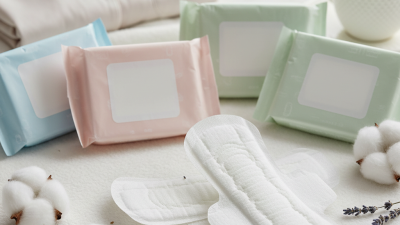
Top 10 Extra Thick Pads for Ultimate Comfort and Protection?
-
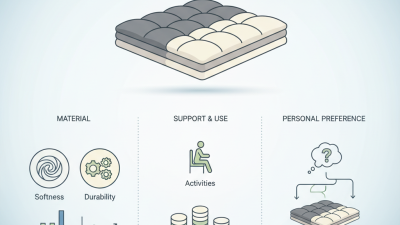
How to Choose Extra Thick Pads for Maximum Comfort?
-
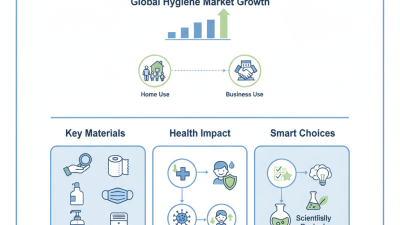
China Best Hygiene Materials List for Home and Business Use?
-

Discover the Advantages of Best PSF Fiber: Improving Efficiency and Reducing Costs in Manufacturing
-
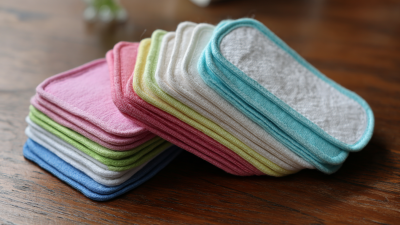
2025 Top 10 Washing Reusable Sanitary Padsfiber for Eco Friendly Menstrual Care
-

7 Best Uses of Psf Fiber in the Textile Industry for Enhanced Durability