China Best PSF Fiber Manufacturer for Global Buyers
Choosing a China-based PSF Fiber manufacturer requires more than comparing prices and product images. Global buyers need consistent quality, clear communication, and dependable export support. Psf Fiber is used in apparel, home textiles, automotive interiors, and nonwoven applications. Each sector demands different fiber properties.
A reliable supplier should explain denier, cut length, crimp, luster, color, strength, and silicon content. These details influence carding performance, blending ratios, softness, and finished-product durability. Experienced manufacturers normally provide samples before larger orders. They should also share test reports, production specifications, packaging details, and inspection procedures. Documentation matters.
Factory capability deserves careful attention. Buyers should review production equipment, raw-material control, laboratory testing, and monthly capacity. A professional team can discuss recycled, virgin, hollow, solid, conjugated, and flame-retardant options within applicable standards. It should also identify limitations instead of promising everything. That honesty is valuable.
No supplier is perfect. Even a strong factory may face color variation, shipping delays, or changing raw-material costs. A thoughtful buyer should confirm tolerances, claims procedures, lead times, and backup plans in writing. Small details prevent expensive misunderstandings. Communication builds trust.
This guide examines how to evaluate China’s best PSF Fiber manufacturers for global purchasing. It focuses on practical evidence rather than attractive marketing language. Readers will learn how to compare quality systems, customization ability, pricing structure, logistics experience, and long-term reliability. The goal is simple: choose a capable partner with measurable performance, responsive service, and realistic commitments. In international sourcing, consistency often matters more than the lowest quotation.
China’s Role in the Global PSF Fiber Manufacturing Industry
China Best PSF Fiber Manufacturer for Global Buyers
China’s Role in the Global PSF Fiber Manufacturing Industry
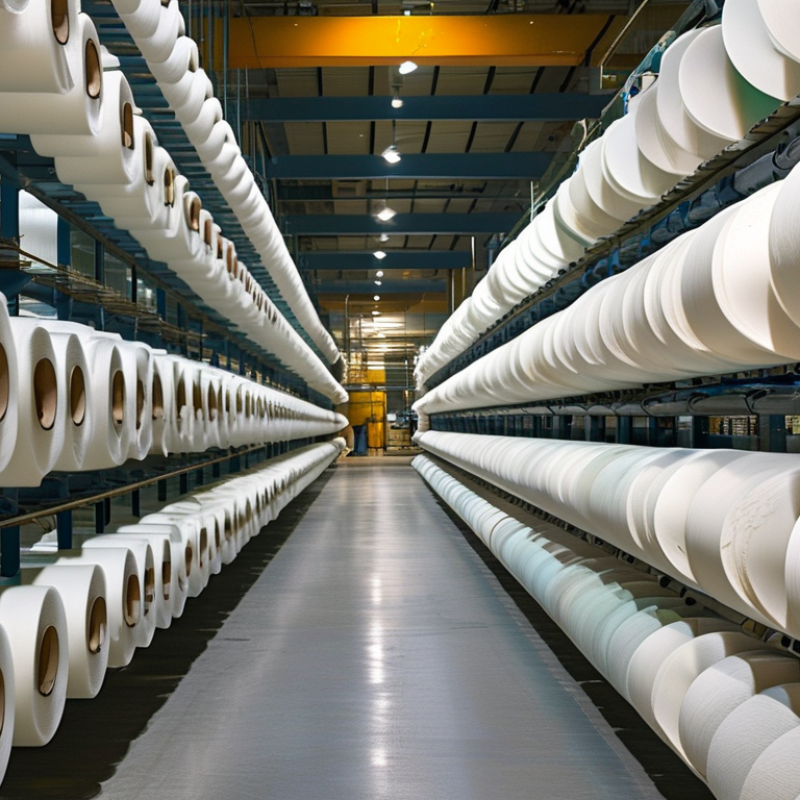
China has become a major production center for polyester staple fiber (PSF). Its supply network covers polymer preparation, spinning, crimping, cutting, and bale packing. This integrated structure helps manufacturers serve textile, filling, nonwoven, and automotive markets. In many factories, technicians monitor fiber length, denier, crimp, moisture, and tensile strength during production. These details affect carding performance and fabric consistency. Export experience also supports clearer documentation and steadier container planning. Still, factory capability varies widely.
Tips: Ask for recent test reports and production samples. Confirm fiber length, denier, shrinkage, color, and packing weight. Request lot traceability and a realistic lead time. A low quotation may hide weaker consistency or limited service. Check how the supplier handles complaints before placing a large order.
China’s PSF industry continues to improve through automation, recycled-material processing, and energy-saving equipment. Some producers can adjust fiber properties for soft filling, spunbond applications, or durable textile blends. Buyers should examine recycled content claims carefully and request supporting documents. Environmental performance is improving, but it is not uniform across every facility. Energy use, wastewater control, and transport emissions still require attention. Practical communication matters too. Clear specifications prevent costly misunderstandings. I have found that small trial orders often reveal more than polished presentations. Mistakes can happen, especially when technical terms are translated poorly. A careful buyer leaves room for testing, correction, and honest review.
PSF Fiber Types, Properties, and Common Industrial Applications
China Best PSF Fiber Manufacturer for Global Buyers
PSF fiber comes in several practical forms. Solid fiber offers strength and stable processing. Hollow fiber feels lighter and provides better loft. Conjugated fiber supports crimp and bonding during thermal treatment. Recycled PSF can reduce raw material demand, but its color, strength, and consistency need careful inspection.
Fiber performance depends on more than polymer selection. Denier affects softness, bulk, and web formation. Cut length influences blending and spinning efficiency. Crimp supports resilience in cushions and nonwoven structures. Moisture regain remains low, helping polyester products dry quickly. However, heat exposure can change shrinkage and shape. Our quality checks should include tensile strength, elongation, crimp, length, color, and moisture levels.
Industrial buyers use PSF in spun yarn, needle-punched felt, mattress filling, automotive insulation, geotextiles, and filtration media. Different applications require different balances. A soft filling grade may fail in a demanding geotextile. A strong fiber may feel too harsh for home textiles. No fiber is perfect. Specifications can also mislead when testing methods differ. Practical trials, batch records, and clear communication remain essential before large-scale production.
Key Production Standards of a Reliable China PSF Fiber Manufacturer
China Best PSF Fiber Manufacturer for Global Buyers
Key Production Standards of a Reliable China PSF Fiber Manufacturer
A reliable China PSF fiber manufacturer begins with controlled raw materials, not attractive sales language. Production teams should verify polymer purity, melting behavior, and recycled content before spinning. These checks influence fiber strength, color, shrinkage, and dye performance. Clear specifications should state denier, cut length, crimp, finish oil, and moisture range. Small deviations can affect carding and blending on a buyer’s production line.
Consistent testing matters. A professional factory should measure tensile strength, elongation, crimp recovery, and thermal shrinkage by documented methods. Samples should come from actual production batches, not only from a laboratory trial. Batch numbers, inspection records, and sealed packaging make complaints easier to investigate. Factory experience also appears in practical details, such as clean storage floors and moisture-resistant bags. Nothing should be assumed. Buyers can request test reports, production photos, sample comparisons, and a clear quality-response process. A pre-shipment inspection is useful, although it cannot replace supplier transparency. No factory is flawless. Even experienced teams may face shade variation or equipment drift. What matters is whether they detect the issue, explain it honestly, and correct the process. That is where reliability becomes visible.
How Global Buyers Can Evaluate PSF Fiber Suppliers in China
China remains a major sourcing base for polyester staple fiber (PSF), but production scale alone cannot prove supplier quality. Textile Exchange’s Materials Market Report 2024 estimated global fiber production at 124 million tonnes in 2023, with polyester accounting for 57%. China’s chemical fiber industry also reported annual output of about 70 million tonnes. These figures show capacity, not reliability.
Global buyers should request a recent certificate of analysis for every production lot. Check denier, staple length, crimp, tenacity, elongation, moisture, and contamination levels. Compare laboratory results with the agreed specification. A supplier should also explain feedstock sources, recycled content, batch coding, and storage conditions. Traceability matters when fiber arrives in compressed bales with small color or texture differences.
Ask for samples from different lots, not one carefully selected bale. Review the factory’s quality records, testing equipment, corrective-action process, and production lead time. ISO 9001 certification can indicate process discipline, but it does not guarantee PSF performance. Textile Exchange’s report also highlights the growing importance of recycled materials, so buyers should verify recycled claims through transaction records or recognized certification systems. A low quotation may hide unstable quality, weak packing, or expensive rework. No checklist is perfect. Even experienced buyers can miss seasonal moisture changes or inconsistent hollow-fiber formation. A practical supplier audit should include a live production check, sealed samples, and clear remedies for failed shipments.
Export Services, Quality Control, and Buyer Considerations for PSF Fiber
Global buyers often evaluate Chinese PSF suppliers through capacity, consistency, and export reliability.
Textile Exchange’s 2024 Materials Market Report estimates global fiber production reached
124 million metric tons in 2023.
Polyester represented about
57% of that output,
supporting strong demand for staple fiber in apparel, home textiles, and nonwovens.
Capacity matters, but it does not prove stable quality. Test it first.
A dependable export service connects technical control with practical shipping support. Before production, buyers should approve fiber length, denier, crimp, color, moisture, and tensile-strength specifications. Quality records should identify each production lot and inspection date.
Sampling before shipment can reveal uneven crimp, excessive oil, or loose packing. Third-party laboratory testing may strengthen performance claims. Packing should protect fibers from humidity, compression, and contamination during sea transport.
Container photos, lot numbers, packing lists, and invoices should match.
Small omissions create expensive delays.
Buyer decisions also depend on end use and material origin. Textile Exchange reports that recycled polyester accounted for roughly
12% of polyester production in 2023.
Recycled and virgin PSF can differ in color, strength, and processing behavior.
Ask for feedstock details, test results, and recognized certification evidence when recycled content matters. Confirm destination requirements before ordering.
A low price can hide unstable specifications or weak after-sales support. No supplier gets every batch identical. Experienced buyers leave room for corrective action, because real production is less perfect than a quotation.