




China Top 10 IEC Materials on Water and Sanitation?
Safe water systems depend on more than pipes, pumps, and treatment units. Clear communication matters too. This introduction presents China’s Top 10 IEC Materials on Water and Sanitation, focusing on practical resources used across public health, engineering, education, and community programs. Here, “IEC Material On Water And Sanitation” refers to information, education, and communication tools that explain safe water handling, hygiene, wastewater control, and sanitation practices.
The selection considers technical accuracy, visual clarity, language access, field usability, and evidence of real-world application. Materials may include illustrated handwashing guides, maintenance manuals, school posters, operator checklists, training videos, and emergency water messages. A strong poster should work beside a crowded rural tap stand. A manual should remain useful when gloves are wet and electricity fails. Small details matter.
Catarina de Albuquerque, a leading sanitation-rights expert and former United Nations Special Rapporteur, has stated, “Sanitation is a human right.” That principle gives this review its ethical direction. Effective materials should respect dignity, avoid blame, and serve people with different literacy levels and abilities. They should also reflect local conditions, including water quality, climate, infrastructure, and cultural habits.
Some evaluations remain imperfect. Product claims may lack independent testing. Translation quality can vary. A polished design does not guarantee safer behavior. This list therefore invites careful reflection, not automatic approval. Readers should verify standards, performance data, manufacturing quality, and local regulatory requirements before making purchasing or implementation decisions. The best IEC Material On Water And Sanitation is accurate, accessible, durable, and useful when real conditions become difficult.
Defining IEC Materials for Water and Sanitation in China
China Top 10 IEC Materials on Water and Sanitation?
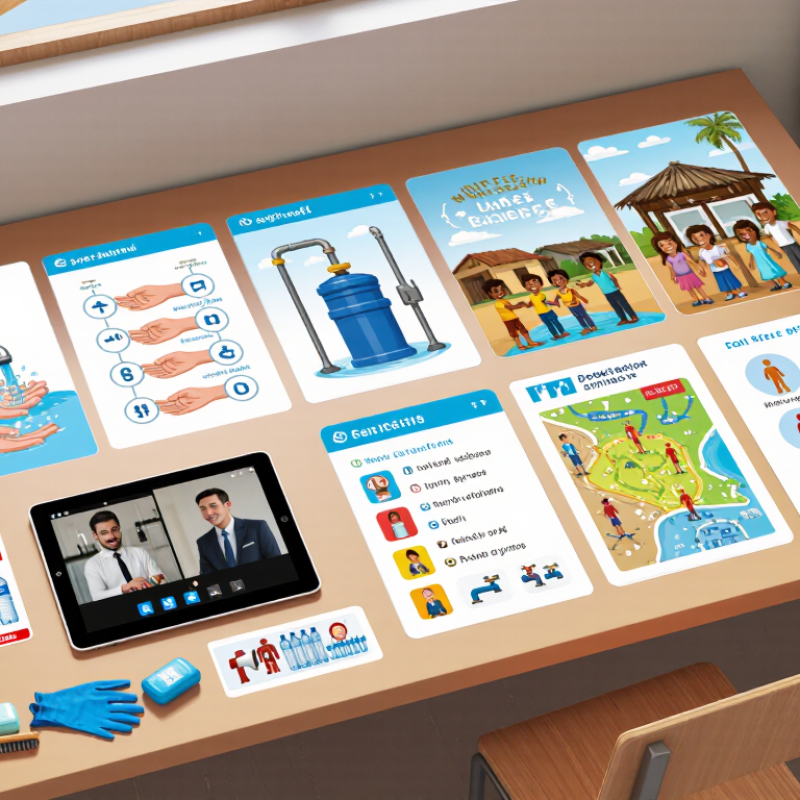
In China, IEC means information, education, and communication materials. These tools turn technical guidance into daily action. Typical materials include posters, flipcharts, short videos, radio scripts, school cards, facility signs, household checklists, community maps, training guides, and feedback forms. Their purpose is practical: encourage safe water storage, handwashing, toilet maintenance, and timely reporting of leaks.
The need is measurable. The WHO/UNICEF Joint Monitoring Programme reported that 2.2 billion people lacked safely managed drinking water in 2022. China’s Ministry of Water Resources reported rural tap-water penetration above 90% by the end of 2023. Coverage is improving, but access does not guarantee safe behavior. A clean-looking container may still have a dirty lid. This is where IEC design matters. Materials should use local language, clear images, short instructions, and examples from kitchens, schools, and village toilets. Field experience suggests that a trusted community worker can explain one picture better than a crowded brochure.
Tips: Test every material with residents before distribution. Ask one simple question: “What will you do after reading this?” If answers differ, the message needs revision. Also measure recall, not only delivery numbers. The China Rural Statistical Yearbook and JMP datasets can support baseline checks, although local data may remain incomplete. That weakness should be acknowledged, not hidden.
China Top 10 IEC Materials on Water and Sanitation? - Defining IEC Materials for Water and Sanitation in China
A practical priority list of information, education and communication materials for drinking water, hygiene and sanitation programs in China.
| Rank | IEC Material | Primary Purpose | Main Audience | Recommended Format | Core Content | Suitable Settings in China | Design and Accessibility Requirements |
|---|---|---|---|---|---|---|---|
| 1 | Safe Drinking Water Poster | Explain how to obtain, store and use safe drinking water. | Households, students and caregivers | Wall poster, community notice board and digital image | Use water from an approved source; keep containers covered; use clean utensils; avoid contact between drinking water and wastewater; follow local water-quality advisories. | Urban communities, rural villages, schools and temporary settlements | Use short sentences, pictograms, large contrast and simplified Chinese; provide minority-language versions where needed. |
| 2 | Handwashing Step Card | Promote effective hand hygiene at critical times. | Children, food handlers, families and health workers | Illustrated card, sink sticker, classroom chart or short video | Wet hands, apply soap, rub palms, backs of hands, between fingers, fingertips and thumbs, rinse with safe water and dry; emphasize handwashing after toilet use and before preparing or eating food. | Schools, public toilets, kitchens, clinics and households | Use sequential illustrations, minimal text and child-friendly icons; place materials directly above or beside handwashing facilities. |
| 3 | Household Water Treatment Guide | Provide clear instructions when drinking water may be contaminated. | Rural households and emergency-response populations | Folded leaflet, pictorial instruction sheet and mobile-friendly page | Explain approved treatment options, correct boiling or disinfection procedures, safe cooling, covered storage and the need to follow product or public-health instructions. | Areas affected by floods, storms, infrastructure interruptions or suspected contamination | Show exact steps and warnings; avoid unsupported dosage instructions; include a local contact route for urgent water-quality information. |
| 4 | Toilet Hygiene and Use Poster | Encourage hygienic, safe and respectful toilet use. | General public, students and facility users | Toilet poster, cubicle sticker and facility sign | Use toilets correctly; dispose of waste in the designated way; keep floors and high-touch surfaces clean; wash hands after use; report blocked or unsafe facilities. | Public toilets, schools, transport facilities, workplaces and tourist areas | Use gender-inclusive and disability-aware symbols; provide clear signs for water, soap, waste bins and accessible facilities. |
| 5 | Menstrual Health and Sanitation Leaflet | Support safe menstrual hygiene and reduce stigma. | Adolescent girls, women, caregivers and teachers | Confidential leaflet, classroom resource and private digital content | Changing absorbent materials regularly; hand hygiene before and after changing; safe disposal; access to clean water, privacy and appropriate toilets; guidance on seeking care for unusual symptoms. | Schools, workplaces, clinics and community programs | Use respectful, non-stigmatizing language; include private distribution options and accessible formats for users with disabilities. |
| 6 | Food, Water and Kitchen Hygiene Checklist | Prevent contamination during food preparation and serving. | Households, school canteens, restaurants and food handlers | Daily checklist, laminated kitchen card and training handout | Use safe water; wash raw produce; separate raw and cooked food; cook thoroughly; keep utensils clean; control temperature and protect food from pests. | Homes, schools, elder-care facilities and food-service premises | Use checkboxes, clear action verbs and visual separation between “clean,” “separate,” “cook” and “keep safe” actions. |
| 7 | Flood and Extreme-Weather WASH Advisory | Deliver rapid protective actions during water-related emergencies. | Residents, community leaders and emergency volunteers | Alert card, loudspeaker script, social-media graphic and SMS-ready text | Avoid floodwater; use officially confirmed safe water; protect latrines and wells; manage excreta safely; wash hands; seek medical help for severe illness or injury. | Flood-prone areas, coastal regions, rural communities and evacuation sites | Put the most urgent action first; use high-contrast warning colors, simple icons and updateable fields for local instructions. |
| 8 | School WASH Behavior-Change Toolkit | Build routine water, sanitation and hygiene behaviors among children. | Students, teachers, school administrators and parents | Lesson plan, activity cards, classroom poster and teacher guide | Handwashing practice; toilet care; drinking-water safety; menstrual hygiene; water conservation; peer monitoring and reporting of facility problems. | Primary and secondary schools, boarding schools and community learning centers | Use age-appropriate activities, inclusive illustrations and measurable classroom actions rather than fear-based messages. |
| 9 | Community Water-Quality Reporting Card | Help residents identify and report possible water-service problems. | Residents, village committees and property managers | Pocket card, QR-linked form and notice-board template | Record location, time and observed change; report unusual color, odor, taste, interruptions, leaks or sewage intrusion through the designated local channel; do not make unsupported safety claims. | Residential communities, rural water points and public facilities | Protect personal information; provide offline and online reporting routes; distinguish observation, complaint and confirmed laboratory result. |
| 10 | WASH Facility Maintenance Signage | Promote correct operation, cleanliness and timely maintenance of water and sanitation facilities. | Facility managers, cleaners, caretakers and users | Equipment labels, inspection checklist, maintenance log and service notice | Cleaning frequency; inspection of taps, soap, drainage and lighting; safe handling of cleaning materials; fault reporting; temporary closure and reopening procedures. | Public toilets, schools, clinics, workplaces and community water points | Use durable, waterproof labels; distinguish user instructions from staff-only procedures; display emergency and maintenance contacts clearly. |
Related Posts
-
What Is IEC Material on Water and Sanitation?
-

2025 Top Trends in Polyester Staple: Innovations and Applications
-

7 Best Uses of Psf Fiber in the Textile Industry for Enhanced Durability
-
Essential Iec Material for Water and Sanitation Solutions?
-

How to Improve Your Production Efficiency with Et Fiber Technology Insights
-

Unlocking the Benefits of Fiber Black: Your Ultimate Guide to Health and Wellness