
Iec Material On Water And Sanitation refers to Information, Education, and Communication resources that promote safe water, hygiene, and sanitation practices. These materials include posters, illustrated guides, radio messages, school handouts, community demonstrations, and mobile content. Their purpose is practical: helping people understand risks and choose safer daily behaviors.
Effective IEC materials translate technical guidance into clear actions. A poster near a shared tap may show handwashing steps, water storage, and container cleaning. A community worker may demonstrate how to protect a household water source from animal waste. Health authorities and sanitation specialists should review every message for accuracy, cultural suitability, and accessibility. Local languages matter. So do familiar images.
Good communication does not promise perfect results. A poster alone cannot repair a broken water system or replace reliable sanitation services. This limitation deserves attention. Materials work best when communities have safe facilities, regular supplies, and trusted local support. Their impact should be checked through interviews, observation, and simple behavior data. For example, evaluators can examine whether households cover storage containers or use soap consistently.
This article explores what IEC Material on Water and Sanitation includes, how professionals develop it, and why evidence-based design matters. It considers public health guidance, community experience, and real implementation challenges. Some materials may look attractive but communicate poorly. Others may be technically correct yet difficult to use. Careful testing can reveal those weaknesses before wider distribution.
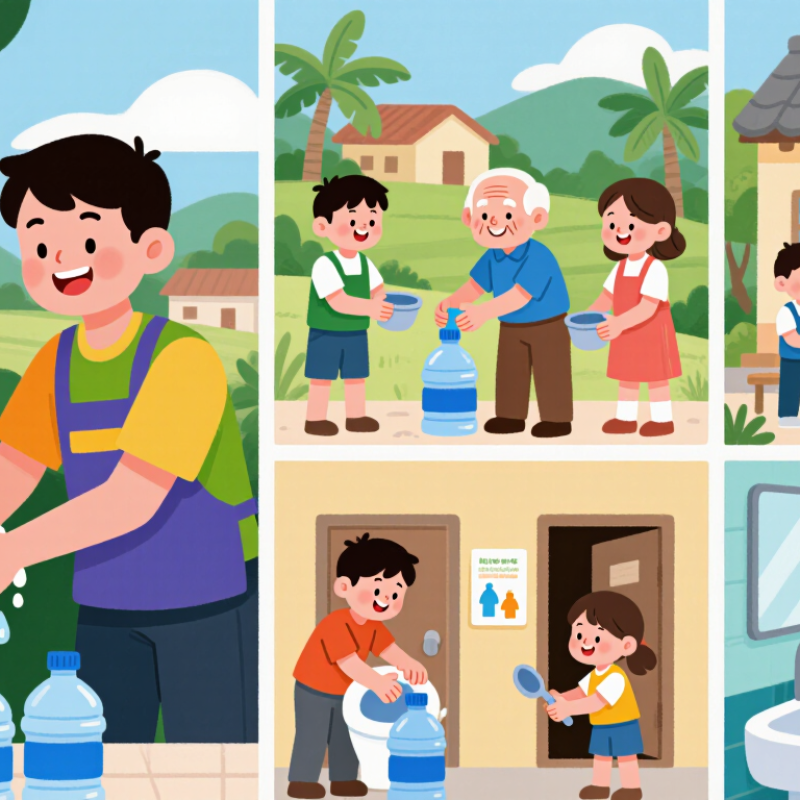
IEC means Information, Education and Communication in WASH programs. It describes practical materials and activities that help people understand safe water, sanitation, and hygiene. Examples include posters, household cards, community discussions, radio messages, demonstrations, and school activities.
Effective IEC material turns technical guidance into daily action. A poster may show a child washing hands near a water point. A household card can explain how to store drinking water in a covered container. Messages should use local language, familiar images, and simple instructions. They should also respect literacy levels, disability needs, age, and cultural habits. Field experience shows that people respond better when communication reflects their real routines. A message about handwashing may fail if no water is available nearby. That detail matters.
Tips: Test materials with community members before distribution. Ask them to explain the pictures in their own words. Check whether instructions fit available water, soap, toilets, and time. Use clear action points, such as “Cover the container” or “Wash hands after using the toilet.” Avoid frightening language. Invite questions and record confusing parts. IEC should support dialogue, not only deliver information. My own review of WASH materials often finds one weakness: they explain what to do, but not how families can manage barriers. That gap deserves honest reflection.
What Is IEC Material on Water and Sanitation?
Global WASH Gaps: 2.2 Billion People Lack Safely Managed Drinking Water
IEC means Information, Education, and Communication. In water and sanitation programs, IEC materials turn technical guidance into practical actions. They include posters, pictorial instructions, community discussion cards, radio scripts, and school activities.
The need is enormous. The WHO/UNICEF Joint Monitoring Programme reported that 2.2 billion people lacked safely managed drinking water in 2022. The same report estimated that 3.5 billion people lacked safely managed sanitation. Another 1.5 billion lacked basic hygiene services at home. These figures describe daily risks, such as collecting water from distant sources or washing hands without soap.
IEC should show real situations, not only polished illustrations. A clear poster might show a covered container beside a household tap. It can explain safe storage through three short images. Local languages and familiar symbols matter, especially where literacy levels vary. Field experience also shows that messages need testing with residents before distribution. A symbol understood by one community may confuse another.
IEC is not magic. A poster cannot repair a broken pipe or provide soap. Programs should connect communication with reliable services, trained workers, and community feedback. Otherwise, people may receive excellent advice without having the tools to follow it. That gap deserves scrutiny. The JMP data also reminds planners to measure access, not merely count materials distributed.
| WASH Dimension | Global Status in 2022 | People Without the Safely Managed or Basic Service | Share of the Global Population | Key Gap | Relevant IEC Material Focus |
|---|---|---|---|---|---|
| Safely managed drinking water | Approximately 6.1 billion people used a drinking-water service that was improved, available when needed, and free from contamination at the household level. | 2.2 billion people | About 26% | Around 703 million people had no basic drinking-water service at all. | Safe water collection, household water treatment, storage practices, contamination prevention, and reporting unsafe water sources. |
| Safely managed sanitation | Approximately 4.6 billion people used sanitation services that were improved, not shared with other households, and where excreta were safely disposed of or treated. | 3.5 billion people | About 43% | Around 1.5 billion people lacked even a basic sanitation service. | Toilet use, handwashing after toilet use, safe fecal-sludge management, child feces disposal, and ending open defecation. |
| Basic hygiene at home | Approximately 6.0 billion people had a handwashing facility with soap and water available at home. | 2.0 billion people | About 25% | Around 653 million people had no handwashing facility at home. | Critical handwashing moments, correct handwashing steps, soap availability, household behavior change, and hygiene promotion. |
| Drinking-water service ladder | Global monitoring distinguishes between safely managed, basic, limited, unimproved, and surface-water services. | 703 million people without basic service | Included within the 2.2 billion without safely managed water | The greatest risks are associated with surface water, distant collection points, unreliable availability, and microbial contamination. | Messages tailored to the specific service level, including source protection, water transport, storage, treatment, and emergency communication. |
| IEC material in WASH | IEC means Information, Education and Communication. It includes materials designed to provide accurate information, build knowledge, and encourage safer WASH behaviors. | Not a population statistic | Applies across WASH programs | Materials should address access barriers, local risks, literacy levels, language, disability inclusion, gender considerations, and cultural context. | Posters, leaflets, flipcharts, illustrated instructions, community-dialogue guides, radio scripts, school materials, visual reminders, and digital content. |
| Source: WHO/UNICEF Joint Monitoring Programme for Water Supply, Sanitation and Hygiene (JMP), Progress on household drinking water, sanitation and hygiene 2000–2022. Global figures are rounded estimates for 2022. “Safely managed” definitions differ by WASH service and require availability, accessibility, quality, or safe treatment conditions as specified by JMP. | |||||
Information, Education, and Communication (IEC) materials turn sanitation guidance into practical daily actions. They include posters, flipcharts, radio messages, community dialogues, and illustrated instructions. Effective materials explain when to wash hands, how to use a latrine, and how to store drinking water safely. The language should match local habits, literacy levels, and household realities. A picture of a child washing hands after defecation can be clearer than a paragraph of technical advice.
The need is substantial. The WHO/UNICEF Joint Monitoring Programme reported that 3.5 billion people lacked safely managed sanitation in 2022. About 2 billion people also lacked basic hygiene services at home. These figures show why IEC must inform, teach, and motivate, not merely decorate walls. A strong message links behavior with visible benefits, such as fewer flies near food or cleaner hands before cooking. It also invites discussion about cost, privacy, disability access, and water availability.
Behavior change requires feedback. Community workers can ask households what prevents regular handwashing, then adjust messages and facilities. Posters alone rarely solve broken taps or crowded toilets. I have seen communication plans focus heavily on materials while ignoring maintenance. That is a weakness worth admitting. Monitoring should track observed practices, facility use, and user feedback, rather than counting distributed leaflets. Good IEC remains respectful, specific, and open to correction.
IEC material means Information, Education, and Communication tools that support safer water, sanitation, and hygiene practices. The need remains substantial. The WHO/UNICEF Joint Monitoring Programme reported that 2.2 billion people lacked safely managed drinking water in 2022. Another 3.5 billion lacked safely managed sanitation. These figures show why communication must reach households, schools, health workers, and local leaders.
Formats should match real community routines.
Posters can show handwashing steps beside a water point, using clear images and minimal text. Radio messages can explain safe water storage in local languages. Training sessions help volunteers demonstrate latrine maintenance, not merely distribute instructions. Mobile tools can send reminders, collect reports, or display service maps, but they fail where phones, electricity, or digital confidence are limited. Keep technology practical.
Community dialogues create space for questions about cost, privacy, disability access, and cultural habits. They also reveal weaknesses in standard messages. A poster may look professional yet remain unreadable from three metres away. A radio script may sound accurate but ignore seasonal water shortages.
The WHO Guidelines for Drinking-water Quality stress risk-based, context-sensitive management, which should guide IEC content. Monitoring should check understanding, observed practice, and feedback, not only materials distributed. Some communication plans still measure visibility instead of behavior. That deserves honest review.
IEC material on water and sanitation includes posters, radio messages, community demonstrations, and school activities. Its purpose is practical: help people understand risks, adopt safer habits, and use available services correctly. Measuring impact requires more than counting leaflets or training sessions. It requires comparing communication exposure with household WASH outcomes.
The WHO/UNICEF Joint Monitoring Programme reported that 2.2 billion people lacked safely managed drinking water in 2022. About 3.5 billion lacked safely managed sanitation, while 2 billion lacked basic hygiene facilities. These figures provide a demanding reference point. IEC projects can track changes in handwashing facilities, safe water storage, latrine use, and reported hygiene practices. Household surveys, direct observation, and service-level data should be combined. The indicators should remain consistent with the 2022 JMP service ladders.
Experience in field projects shows that knowledge often improves before infrastructure does. A family may understand contamination risks but still collect water from an unsafe source. That gap matters. It prevents fair claims about communication success. A stronger evaluation compares exposed and less-exposed communities, while controlling for distance, income, season, and service availability. Disaggregated results can reveal whether women, children, older people, or remote households benefit equally.
IEC measurement is still imperfect. Self-reported behavior may sound better than daily practice. Short campaigns may also create temporary gains. Yet tracking these limitations openly improves credibility and supports better WASH decisions. (WHO/UNICEF JMP, 2023)