How to Choose the Right Material for Daily Sanitary Pads?
Choosing the right material for daily sanitary pads is essential for comfort and health. Daily sanitary pads material significantly impacts a woman's experience during her menstrual cycle. With a variety of options available, making an informed choice can be overwhelming.
Materials vary widely in absorbency, softness, and breathability. For instance, cotton is popular for its softness and natural properties. Synthetic materials may offer better leak protection but can sometimes cause irritation. Understanding these differences helps in selecting the most suitable option.
It’s important to consider personal preferences and needs. Some may prioritize eco-friendliness, while others seek maximum comfort or affordability. Reflecting on your own experiences can guide you in finding the best daily sanitary pads material for your lifestyle. The right choice can enhance daily life, providing confidence and peace of mind.
Understanding the Importance of Material in Daily Sanitary Pads
Choosing the right material is crucial for daily sanitary pads. The material affects comfort, absorbency, and skin health. According to a 2020 study by the Journal of Women’s Health, 70% of women reported discomfort with certain pad materials. This highlights the importance of selecting the right fabric.
Natural fibers, like cotton, offer breathability and comfort. They tend to be gentler on the skin, reducing the risk of irritation. An article from The International Journal of Hygiene and Environmental Health noted that synthetic materials can retain moisture, increasing the likelihood of infections. Additionally, many women prefer organic options for a cleaner experience. While the benefits of synthetic pads include better absorbency, they may compromise skin health for some users.
However, it is essential to balance between comfort and functionality. Many brands use chemical treatments on pads, which can impact their safety. A report from the American Academy of Dermatology warned against these treatments, emphasizing the need for more transparency. Consumers have a right to know what they are using. Understanding the material's role will help women make informed choices that suit their individual needs and lifestyles.
Types of Materials Commonly Used in Sanitary Pads
When choosing the right material for daily sanitary pads, understanding the options available is crucial. Common materials include cotton, non-woven fabrics, and bamboo. Each of these choices has unique properties that can affect comfort and absorbency.
Cotton is known for its softness. However, not all cotton pads are created equal. Some may be treated with chemicals that cause irritation. Non-woven fabrics often offer good absorbency and quick drying. But they may also contain synthetic materials that are less breathable. Bamboo is an eco-friendly option, yet its availability can vary.
Examining personal preferences is essential. Some individuals prioritize eco-friendliness over absorbency. Others may seek the softest option for all-day comfort. It’s vital to consider your skin's sensitivity as well. Testing different materials can reveal surprising results. You might discover that a material you assumed would be irritating is actually quite comfortable. Ultimately, your choice should reflect your body's needs and your environmental values.
Evaluating Comfort and Absorbency: Key Material Considerations
Choosing the right material for daily sanitary pads involves understanding comfort and absorbency. Many materials used today provide different benefits. Cotton is known for softness and breathability. It minimizes skin irritation, making it a popular choice. However, it may not always absorb moisture as effectively as synthetic options.
Synthetic materials excel in absorbency. They can hold more liquid, keeping you feeling dry. Yet, they might lead to discomfort for some users. It's vital to consider personal comfort levels when selecting a product. Some people find synthetic pads can cause sensitivity, leading to rashes or irritation.
Innovative materials, like bamboo or organic cotton blends, offer another alternative. They present a balance of comfort and absorbency. While promising, these newer options may not work for everyone. A user's lifestyle can also affect material choice, as active individuals may prefer different properties. It is essential to test various options to find what feels best for you. Each person's body responds differently, highlighting the importance of personal experience.
Assessing Eco-Friendliness: Sustainable Options for Sanitary Pads
Choosing the right material for daily sanitary pads can significantly impact both health and the environment. Many traditional pads contain synthetic materials and chemicals that may cause irritation. It's essential to consider eco-friendly alternatives that prioritize both comfort and sustainability.
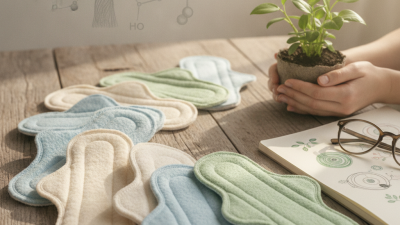
Organic cotton pads are an excellent option. They are biodegradable and free from harmful pesticides. This makes them safer for your body and the planet. Bamboo is another sustainable material. It grows quickly and requires less water. Pads made from bamboo are also highly absorbent and breathable. These two materials are a good start for anyone looking to make more eco-conscious choices.
When evaluating materials, think about your usage patterns. Reusable pads or menstrual cups can further reduce waste. They last longer and have less environmental impact compared to disposable options. Remember to look for certifications that verify eco-friendliness, such as organic or cruelty-free labels. Reflect on how these choices influence your overall well-being and the planet's health. Taking small steps in material selection can lead to a more sustainable future.
Material Comparison for Eco-Friendly Daily Sanitary Pads
Allergies and Sensitivity: Choosing Hypoallergenic Materials
Choosing the right material for daily sanitary pads is essential for comfort and health. Allergies and skin sensitivity are common concerns for many individuals. When selecting pads, focus on hypoallergenic materials, as they can significantly reduce irritation. Look for options made from organic cotton or soft bamboo fabric. These materials are less likely to cause allergic reactions. They breathe well and keep the skin dry, which can help prevent rashes.
Some people may find that even hypoallergenic products don’t work perfectly for them. It’s vital to pay close attention to how your skin reacts over time. Make adjustments if you experience discomfort or irritation. Even so-called safe materials can sometimes contain traces of chemicals. Always read labels carefully and consider the full list of ingredients.
Experimenting is often necessary. You may have to try different products to find what works best for you. Give yourself time to adjust to a new brand or material. Listening to your body is key. Your comfort is a personal journey that deserves patience and care.
How to Choose the Right Material for Daily Sanitary Pads? - Allergies and Sensitivity: Choosing Hypoallergenic Materials
| Material Type |
Hypoallergenic |
Breathability |
Absorbency |
Comfort Level |
| Cotton |
Yes |
High |
Medium |
Very Comfortable |
| Bamboo Fiber |
Yes |
High |
High |
Very Comfortable |
| Microfiber |
No |
Medium |
High |
Moderately Comfortable |
| Non-woven Fabric |
No |
Low |
Medium |
Regular |
| Organic Cotton |
Yes |
High |
Medium |
Very Comfortable |