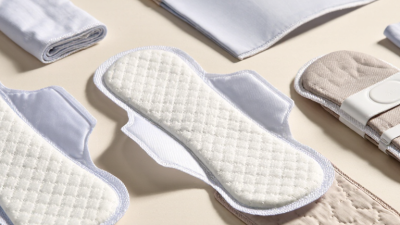
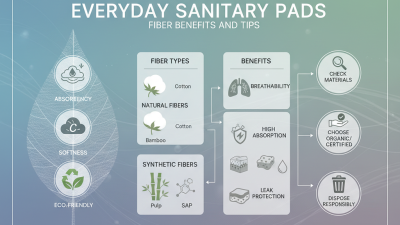
How to Choose the Best Fiber for Everyday Sanitary Pads?
Choosing the best Everyday Sanitary Pads Fiber starts with a simple question: what touches your skin, and what absorbs the fluid? A pad may combine a soft topsheet, an absorbent core, and a leak-resistant backing. Each layer can use different materials. Cotton, viscose, and other cellulose-based fibers are common options, but the name on the package tells only part of the story. Fiber processing, fabric structure, and added fragrances or dyes can also affect how a pad feels during a long day. Small details matter.
A careful comparison looks beyond claims such as “natural” or “ultra-soft.” Check the product’s material information, intended use, and any relevant independent testing. If you have sensitive skin, consider fragrance-free options and notice how the surface feels after several hours; comfort varies from person to person. In this illustrative introduction, fictional materials specialist Maya Chen offers a guiding thought: “Choose by the fiber’s role, the full product design, and your own comfort—not by one label alone.” Chen is a fictional expert, and this quotation is illustrative, not a sourced statement. That distinction matters. This guide will examine common fibers, their practical trade-offs, and the questions worth asking before buying. No single material suits everyone, and even a well-made pad may not feel right for you. A little comparison can help you make a more informed choice.
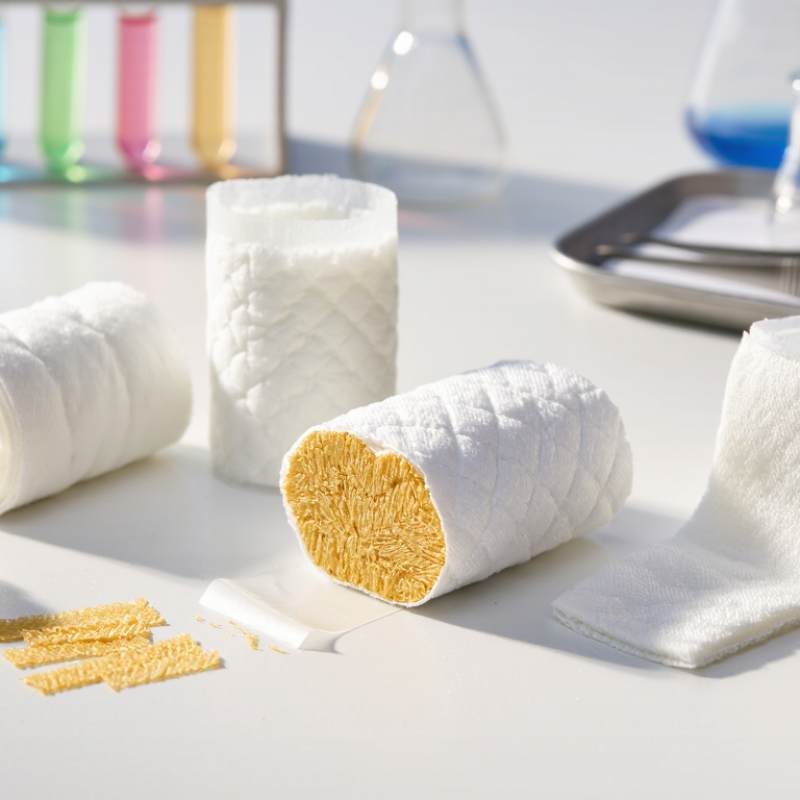
Understanding the Role of Fiber in Everyday Sanitary Pads
Fiber shapes how a pad feels and moves fluid, but it does not work alone. A topsheet needs to pass liquid quickly while remaining comfortable against skin. Below it, an acquisition layer spreads fluid; the absorbent core commonly combines fluff pulp with superabsorbent polymer. That structure matters. Cotton and regenerated cellulose can feel soft, while polypropylene or polyester nonwovens can be engineered for fast intake and strength. Fiber names alone predict little. Bonding, pore size, and surface treatment also affect dryness, lint, and liquid transfer. Textile Exchange’s Materials Market Report 2024 puts global fiber production at 124 million tonnes in 2023. It reports polyester at 57% and cotton at 20%. These are broad textile-market figures, not pad-specific performance data.
That distinction matters when comparing everyday pads. Check the layer description, not just the headline fiber. Useful lab measures include intake time, rewet under pressure, and leakage after repeated fluid doses. Ask what fluid and test conditions were used. A “cotton” surface may still contain blends or processing aids, so the label can leave gaps. Comfort is personal, too. Skin sensitivity, heat, and movement change through a long day; a fabric that feels dry at first may become clammy. Independent, documented testing is more useful than fiber claims alone.
Identifying Skin-Safety and Comfort Requirements
For everyday sanitary pads, skin safety starts with the surface touching the vulva, not the fiber’s “natural” label.
Cotton and regenerated cellulose can feel soft, but processing, dyes, fragrances, and finishing agents may matter just as much. A 2016 systematic review in Contact Dermatitis estimated that about 20% of the general population had contact allergy to at least one tested substance. That figure is not specific to pads, but it shows why sensitive-skin claims should be evaluated carefully. Keep the contact layer fragrance-free and smooth, and check whether the supplier can document its materials and testing.
Comfort is practical. The pad should stay flat under clothing, draw moisture away, and avoid rough edges that rub during walking. The American College of Obstetricians and Gynecologists advises people with vulvar irritation to avoid potential irritants, including scented products.
If redness or itching appears, stop using the pad and note its surface fiber, scent, and any added finishes; persistent symptoms deserve clinical advice. Softness alone is not proof of safety. Still, comfort is personal. A material that feels cool and dry to one person may feel damp or clingy to another, so short, careful wear trials can help identify what works.
Comparing Common Fibers Used in Pad Layers
How to Choose the Best Fiber for Everyday Sanitary Pads?
Comparing Common Fibers Used in Pad Layers
A pad’s surface, absorbent core, and backing do different jobs. The surface touches skin, so softness and friction matter. Cotton often feels familiar and breathable, but it may hold moisture against the body. Viscose, also called rayon, can feel smooth and move liquid quickly. That does not guarantee comfort for everyone. Skin is individual.
Polypropylene is common in nonwoven topsheets because it is lightweight and helps liquid pass through. Some people find its feel less soft than cotton. In the absorbent core, wood-pulp fibers help distribute fluid, while superabsorbent material may hold it. These components work together; comparing fibers alone can miss the point. The backing is often a thin film, not a fiber layer, and helps limit leaks.
For everyday use, check whether the surface stays reasonably dry after a small amount of fluid reaches it. Notice rubbing at the edges, dampness, and how the pad feels after several hours. Small details count. I would not judge a material from one brief try, though; fit, flow, and wear time can change the experience. Fiber labels also do not reveal every detail of processing or construction.
Evaluating Absorbency, Breathability, and Durability
Choosing a fiber means balancing three jobs: taking in fluid, moving heat away from skin, and holding together when damp. Cellulose-rich absorbent cores can take up liquid, while a topsheet needs to pass fluid quickly without feeling persistently wet. The fiber alone cannot guarantee performance. Layer structure, bonding, and any absorbent additives matter too.
Breathability is not a vague comfort claim. Ask for air-permeability results on the finished material, plus fluid strike-through and rewet measurements. ISO 9073 methods cover testing relevant nonwoven properties, though results depend on sample construction. Small differences matter. A pad that feels soft in a dry hand test may feel warm after hours of wear. Textile Exchange’s 2024 Materials Market Report estimates global fiber production reached 124 million tonnes in 2023, with polyester accounting for 57%. That figure describes the broader fiber market, not sanitary-pad performance; it is useful context, not proof that one fiber works best.
Durability should be checked wet, not just dry. Look for wet tensile-strength data and evidence that the core resists clumping during movement. A simple wear evaluation can reveal edge fraying, shifting, or a damp surface after sitting. These checks are imperfect. Personal comfort varies, and one test cannot predict every user’s experience. Ask suppliers for test conditions and repeat results, rather than relying on a single headline number.
Choosing a Fiber Based on Personal Needs and Use
Choosing a fiber starts with your routine, not a claim that one material suits everyone. For a short commute or a few hours at home, a soft cotton topsheet may feel familiar against the skin. Some pads use rayon or other regenerated cellulose fibers, which can feel smooth and help move fluid into the absorbent layers. Texture matters. A pad that feels comfortable when dry may feel different after several hours.
Think about your usual flow, activity, and climate. On a warm day, a breathable-feeling surface and a secure fit may matter more than a “natural” label. For heavier flow, check the pad’s stated absorbency and change it as needed; fiber type alone does not tell you how much it can hold. Small differences matter. I wouldn’t assume cotton is automatically gentler, since finishes, adhesives, and other materials can also affect comfort.
Read the materials list and try one change at a time, such as choosing an unscented option if fragrances bother you. Notice whether the pad rubs, bunches, or leaves your skin feeling damp. Comfort is personal. If irritation keeps returning, stop using the product and ask a healthcare professional for guidance.
How to Choose the Best Fiber for Everyday Sanitary Pads?
Choosing a fiber based on personal needs and use starts with understanding how fibers handle moisture.
Cotton and viscose rayon typically regain more moisture from the air than polyester and polypropylene. These figures describe the fibers, not the absorbency or performance of a finished pad, which also depends on its structure and other materials. Values are typical textile-reference figures and can vary with conditions.