Why Is Hygienic Food Packaging Important for Health?
In today’s world, the importance of Hygienic Food Packaging cannot be overstated. Food safety is a growing concern for consumers and manufacturers alike. Contaminated food can lead to serious health issues. Proper packaging plays a crucial role in preventing this. It safeguards the food from external contaminants, ensuring freshness and safety.
Many people may not realize that packaging is often the first line of defense against bacteria and viruses. Poor packaging choices can result in food spoilage. This can lead to waste and health risks. Effective packaging should not only look appealing but also protect the food within. It should be free from harmful materials and designed to keep food safe.
Reflecting on our daily habits, we often overlook the significance of how food is packaged. We may buy items with attractive designs, ignoring their safety. However, choosing Hygienic Food Packaging is essential. It encourages healthier eating practices. Being mindful of packaging can help us make better choices for our health.

Importance of Hygienic Food Packaging in Preventing Contamination
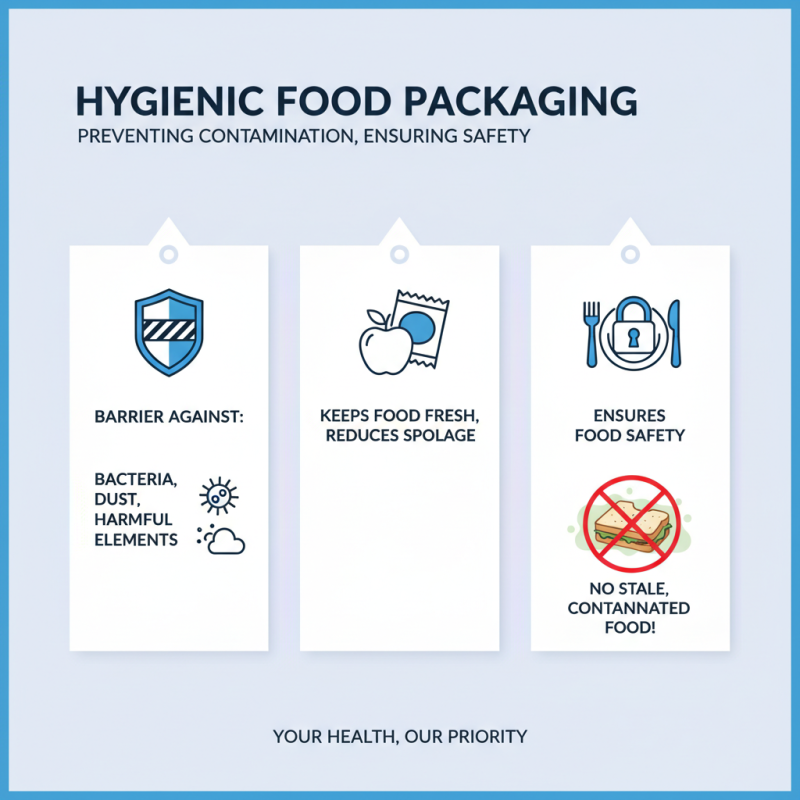
Hygienic food packaging plays a crucial role in preventing contamination. It acts as a barrier against bacteria, dust, and other harmful elements. Proper packaging can keep food fresh, reduce spoilage, and ensure safety. Imagine biting into a sandwich only to find it stale and contaminated. This scenario highlights the importance of clean packaging.
Tips for maintaining food safety include checking for damaged seals. If the seal is broken, contamination can occur. Always use clean hands when handling food. Contamination can happen easily if you are not careful. Remember to keep food covered, even at home. Open air can attract unwanted pests.
Using appropriate materials for packaging is also vital. Choose options that are specifically designed for food. Avoid using recycled packaging unless it is safe for food. Not all materials offer the same level of protection. Sometimes, packages can show wear over time. Keep an eye on any signs of deterioration. This vigilance can save you from potential health risks.
Types of Hygienic Packaging Materials Used in the Food Industry
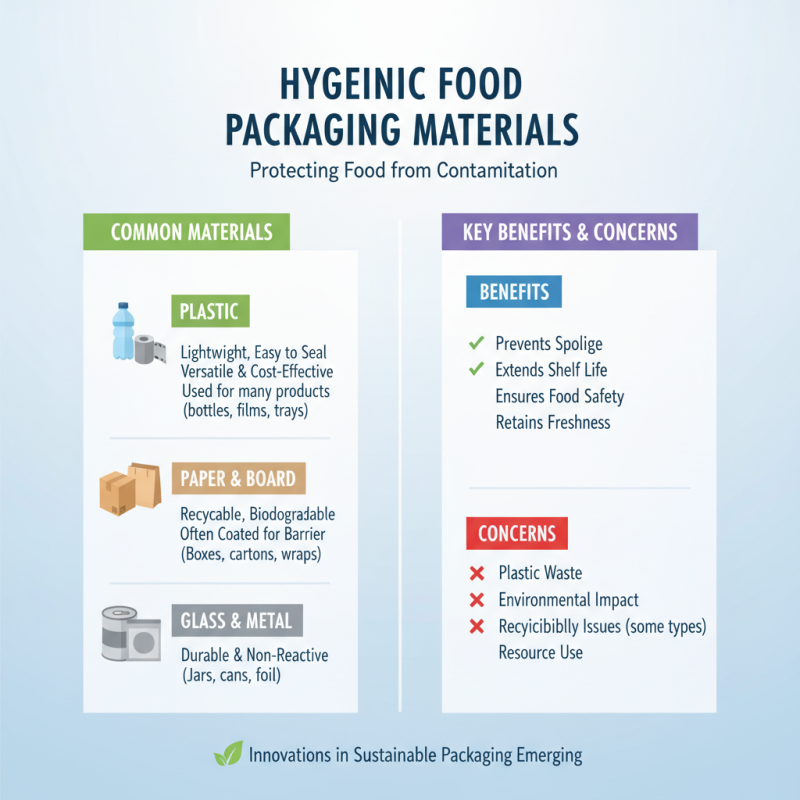
Hygienic packaging materials are crucial in the food industry. They protect food from contamination. Various materials are in use, each offering specific benefits. For example, plastic is lightweight and easy to seal. It's a common choice for many products. However, concerns about plastic waste linger.
Glass is another option. It is non-reactive and doesn’t leach chemicals. Glass jars keep food fresh for longer. Yet, they are heavier and can break easily, making transport tricky. Metal packaging, like cans, provides durability. Metal can keep food safe from light and air. Yet, rust can be a hidden danger if not managed well.
Biodegradable materials are worth mentioning. They are gaining popularity in eco-conscious circles. However, their effectiveness can vary widely. Often, they may not provide the same level of protection as traditional materials. This raises questions about their reliability. Understanding various hygienic packaging options helps improve food safety. Balancing health and sustainability remains a challenge for many producers.
Impact of Packaging on Food Shelf Life and Safety
Food packaging plays a crucial role in determining the shelf life and safety of food products. According to a report by the Food and Agriculture Organization, nearly one-third of all food produced globally is lost or wasted. Much of this loss is due to inadequate packaging. Proper hygienic packaging can significantly extend the freshness of perishable items, reducing waste and promoting safer consumption.
Packaging materials can prevent contamination from bacteria and pests. For instance, vacuum-sealed containers reduce oxygen exposure, delaying spoilage. A study revealed that vacuum packaging can extend the shelf life of meat by 2-3 weeks. Additionally, using moisture-proof materials can inhibit mold growth. It's essential to choose packaging that aligns with the type of food to maximize safety and longevity.
Tips: Always check for the packaging integrity. Damaged packaging can lead to contamination. Store items in appropriate conditions, as even the best packaging has its limits. Regularly review expiration dates and practice good hygiene when handling food. Remember, even the most advanced packaging can't substitute careful food handling.
Regulations and Standards for Hygienic Food Packaging
Hygienic food packaging plays a vital role in ensuring the safety of food. Regulations and standards vary across regions. They dictate what materials are safe for food contact. Many countries enforce strict guidelines to prevent contamination. These standards help in reducing foodborne illnesses. They focus on the choice of packaging materials and handling processes.
Understanding these regulations is crucial for manufacturers. Compliance can be complex, and overlooking details can lead to serious consequences. For example, improper sealing or using non-food-safe materials can spoil the contents. Some producers may cut corners, risking public health.
Consumers also have a role in this process. They should look for packaging that is clearly labeled. This increases awareness and encourages manufacturers to follow best practices. While regulations exist, they are not foolproof. Continuous education and improvement are necessary. Ultimately, a collective effort ensures the integrity of food products.
Consumer Awareness and Choices in Hygienic Food Packaging Practices
Consumer awareness plays a vital role in promoting hygienic food packaging. Many individuals overlook this aspect while shopping. It’s easy to focus on branding or price. However, the safety of food should be a top priority.
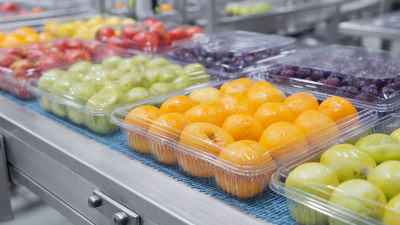
Hygienic packaging helps prevent contamination. It shields food from dust, bacteria, and pests. For instance, sealed packaging keeps fruits and vegetables fresh. Yet, some consumers are unaware of the risks posed by improperly packaged foods. They might ignore ‘use by’ dates or signs of damage. This lack of knowledge can have serious health consequences.
Moreover, choices in food packaging reflect personal values. Eco-friendly options are gaining traction. However, not all sustainable packaging solutions ensure hygiene. While striving for a greener planet, consumers must also consider safety. Striking a balance is crucial. People often face the dilemma of choosing convenience over safety. Education on this topic is necessary for making informed decisions.
Why Is Hygienic Food Packaging Important for Health?
| Aspect |
Importance |
Impact on Health |
| Prevention of Contamination |
Reduces risk of foodborne illnesses |
Lower incidence of health issues |
| Extended Shelf Life |
Keeps food fresh for longer |
Reduces food waste and promotes safety |
| Consumer Trust |
Encourages repeat purchases |
Promotes overall well-being |
| Environmental Protection |
Promotes sustainable practices |
Long-term health benefits for the planet |