How to Source High Quality Fiber Polypropylene for Your Business?
In the ever-evolving landscape of the polypropylene industry, sourcing high-quality Fiber Polypropylene has become a critical challenge for businesses. According to a recent report by Grand View Research, the global polypropylene market size was valued at approximately $103 billion in 2022, and it is expected to expand at a compound annual growth rate of around 5.1% through 2030. This growth underscores the importance of quality sourcing.
Dr. Emily Hart, a leading expert in polymer materials, emphasizes, “The purity and composition of Fiber Polypropylene directly impact its performance in various applications.” Sourcing high-quality Fiber Polypropylene involves intricate supplier vetting and understanding raw material variations. Not every supplier provides the same quality. Businesses must reflect on their sourcing strategies to avoid reliance on lower-quality materials, which can compromise product integrity.
Transparency in the sourcing process is essential. Firms should insist on certifications and conduct due diligence on suppliers. Investing time in this process can pay off significantly. Low-quality materials often lead to higher long-term costs due to increased product failures. Businesses must recognize this and adjust accordingly. By doing so, they can enhance product outcomes and ensure customer trust in an increasingly competitive market.

Understanding Fiber Polypropylene and Its Applications in Business
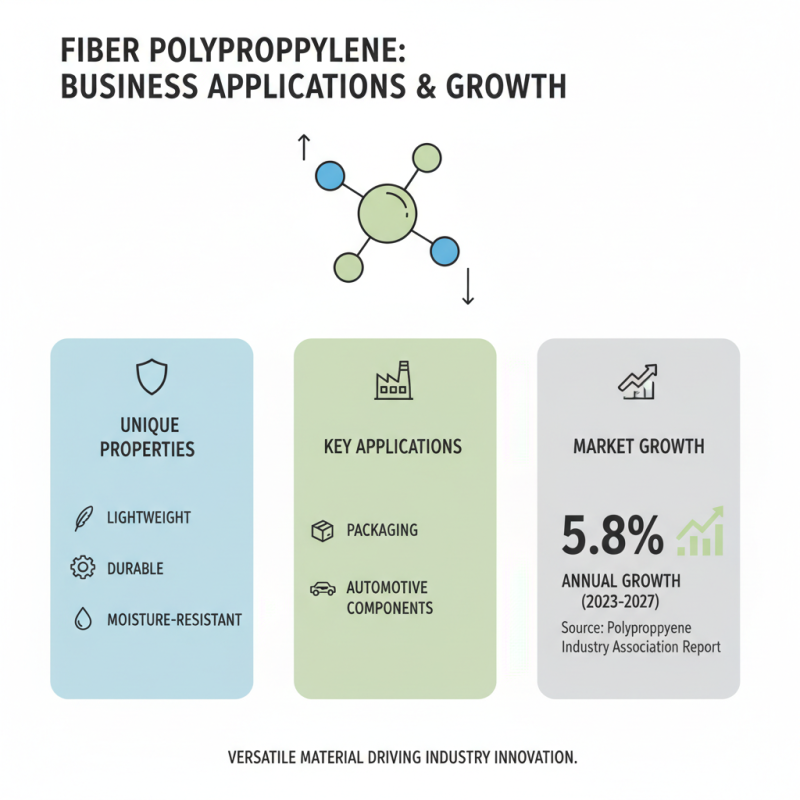
Fiber polypropylene has gained significant traction in various industries due to its unique properties. This versatile material is lightweight, durable, and resistant to moisture, making it ideal for applications ranging from packaging to automotive components. According to a recent report by the Polypropylene Industry Association, the demand for fiber polypropylene across end-use industries is expected to grow by 5.8% annually through 2027. This growth presents an opportunity for businesses aiming to source high-quality materials.
In the automotive sector, for instance, fiber polypropylene is commonly used in interior parts and insulation. Its lightweight nature contributes to fuel efficiency and overall vehicle performance. Furthermore, the textile industry increasingly integrates fiber polypropylene into production processes, enhancing the durability of products like carpets and upholstery. However, not all suppliers offer the same quality. Businesses must diligently evaluate suppliers to ensure reliability and consistent performance from their materials.
Quality can vary significantly among manufacturers, leading to potential challenges. Some businesses have reported issues with inconsistent fiber length and strength, which directly affects the performance of end products. Building strong relationships with trustworthy suppliers is crucial. Investing in supplier assessments and quality checks will yield better results in the long run. Data from industry experts emphasize that companies prioritizing these practices often experience significant improvements in product reliability and customer satisfaction.
Identifying Reliable Suppliers for High-Quality Fiber Polypropylene
Finding reliable suppliers for high-quality fiber polypropylene is crucial. Industry data reveals that the global fiber polypropylene market is expected to grow at a CAGR of 5.2% from 2021 to 2026. This growth signals increasing demand. However, sourcing top-notch materials remains challenging.
When identifying suppliers, consider their manufacturing processes. Transparency is key. A reputable supplier should provide clear information about where and how their materials are produced. Look for certifications related to quality and sustainability. Many suppliers display ISO certifications, which can indicate their commitment to excellent standards.
Visiting supplier facilities can provide insight into their operations. This hands-on approach helps assess their capabilities. In some cases, suppliers may boast about superior qualities but lack substantive proof. Always request samples for testing. Quality can vary among suppliers despite promises. Gathering feedback from other businesses can also guide your choice. Listening to direct experiences can lead to informed decisions.
Assessing the Quality Standards for Fiber Polypropylene
When sourcing high-quality fiber polypropylene, understanding quality standards is crucial. The ASTM International and ISO (International Organization for Standardization) detail specific criteria to gauge material quality. These standards often examine factors such as tensile strength, melt flow index, and thermal stability. For instance, research indicates that polypropylene with a tensile strength exceeding 20 MPa is generally considered suitable for various applications.
One key parameter to assess is the melt flow index (MFI), which indicates how easily the polymer can flow during processing. An MFI between 2 to 12 g/10 min is optimal for many industrial uses. However, extruders often require tailored specifications, reflecting unique production conditions.
Another often-overlooked area is the presence of additives. These can enhance or compromise fiber quality, depending on their nature and percentage. Always verify that additives meet industry standards.
Additionally, while testing can be thorough, discrepancies may arise in real-world applications. Blends that seem perfect in controlled settings can behave unpredictably in manufacturing. Continuous evaluation and supplier collaboration can help identify such inconsistencies early. Emphasizing these quality standards helps ensure that the material chosen aligns with your business's operational needs and product expectations.
Evaluating Pricing and Cost Factors in Sourcing Fiber Polypropylene
When sourcing high-quality fiber polypropylene, pricing and cost factors are crucial. Start by understanding the market. Prices can vary widely based on grade, purity, and supplier reputation. Engage in thorough research to find a balance between quality and cost. A cheap option may result in lower performance or durability.
Tips: Always request samples before making a bulk purchase. This ensures the material meets your specifications. Understand the total cost of ownership, not just the price per kilogram. Hidden fees can inflate expenses. Additionally, evaluate the long-term benefits of higher-quality materials versus immediate savings.
It's vital to negotiate with suppliers. Build relationships to optimize pricing. Nevertheless, don’t compromise on fiber quality for lower costs. Quality affects the end product significantly. Ask for transparency regarding manufacturing processes and sourcing practices. This can reveal hidden costs or risks involved.
Fiber Polypropylene Pricing and Cost Factors
This chart displays the estimated cost per ton for various qualities of fiber polypropylene. Quality A represents the highest grade at $1200, while Quality D is the most economical at $600. This data is crucial for businesses to evaluate their sourcing strategies based on budget constraints and required material quality.
Building Long-Term Relationships with Fiber Polypropylene Suppliers
Building long-term relationships with fiber polypropylene suppliers is crucial for your business’s success. Establishing trust can lead to better pricing, improved service, and reliable supply chains. According to a recent industry report, companies with stable supplier relationships see a 20% increase in operational efficiency. This highlights the importance of maintaining strong partnerships in the fiber polypropylene sector.
When sourcing high-quality fiber polypropylene, consider these tips. Communicate clearly about your specifications. Ensure that your suppliers understand your quality requirements and delivery timelines. Regular audits and evaluations can help you monitor compliance with industry standards, such as those set by the ASTM. Engage in consistent, respectful dialogue with your suppliers. This fosters cooperation, which can yield better responsiveness and flexibility in times of need.
Reflecting on past partnerships can be insightful. Ask yourself whether your previous suppliers truly met your expectations. Did they provide timely deliveries and consistent product quality? These reflections can guide you in choosing future suppliers with better alignment to your business values and needs. Aim for a relationship that thrives on mutual growth and continuous improvement.