China Top Daily Sanitary Pads Material Suppliers
China’s leading daily sanitary pad material suppliers compete on consistency, safety documentation, and dependable delivery. For buyers, the Daily Sanitary Pads Material category includes several functional layers: a soft topsheet, an absorbent core, an acquisition layer, and a leak-resistant backsheet. Each layer affects comfort, fluid handling, and product performance. A smooth topsheet may feel gentle, but its softness alone does not prove reliable quality.
Supplier evaluation should begin with specifications and samples. Check fiber composition, basis weight, absorbency results, and batch-to-batch variation. Ask for current test reports and traceable production records. Then compare how materials behave under realistic conditions, including repeated pressure and prolonged contact. Small details matter. A curled edge can signal a converting issue; uneven core distribution may cause leaks. Still, a polished sample is not proof of stable mass production. That distinction is easy to miss.
A useful sourcing principle is: “Trust the test data, then verify it against production samples.” I cannot responsibly attribute that sentence to a named industry expert without a verifiable source. This overview therefore avoids inventing a quotation or expert endorsement. Buyers can use it as a practical reminder while comparing suppliers, requesting evidence, and checking claims independently. The strongest partnership is not always the one with the lowest quote. It is the one that can explain its material choices, document its controls, and respond clearly when a batch falls short.
Understanding Materials Used in Daily Sanitary Pads
China Top Daily Sanitary Pads Material Suppliers
Understanding Materials Used in Daily Sanitary Pads
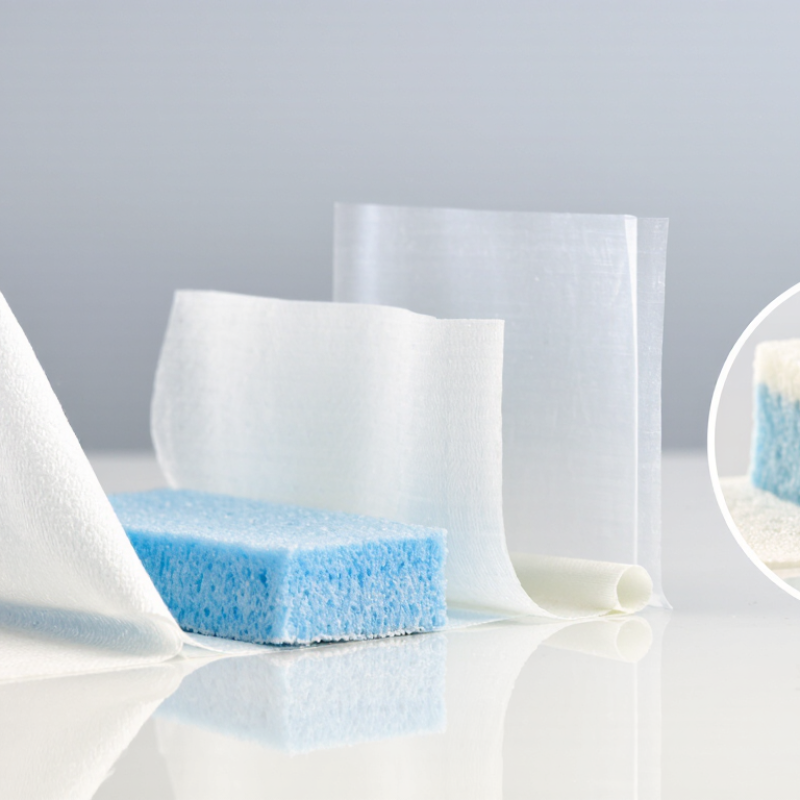
A daily sanitary pad is thin, but it combines several functional layers. The topsheet touches the skin and is often made from a soft nonwoven fabric, commonly polypropylene or a blend. Its texture matters: a rough surface can feel uncomfortable during long wear. Small details matter.
Beneath the topsheet, an acquisition layer helps move fluid toward the absorbent core. The core may contain cellulose fluff pulp, superabsorbent polymer, or both. These materials differ in speed, capacity, and thickness. A thinner pad can feel less bulky, but it may not suit every user or every day. Not always. A breathable backsheet, often a film or film-and-nonwoven laminate, helps limit leakage while reducing trapped heat. Adhesive keeps the pad in place, and a release liner protects it before use.
When assessing suppliers, buyers should request clear material specifications and test data for absorbency, dimensions, and adhesive performance. They should also check consistency between production batches, since a small change in topsheet softness can alter the feel. Skin comfort varies from person to person, so avoid treating one material as universally suitable. Fragrance-free options may be preferred by some users, though they do not guarantee that irritation will never occur. A neat specification sheet is not enough; real samples and careful evaluation matter.
Key Supplier Categories in China’s Sanitary Pad Materials Market
China Top Daily Sanitary Pads Material Suppliers
Key Supplier Categories in China’s Sanitary Pad Materials Market
China’s sanitary pad materials market includes several specialized supplier categories. Absorbent-core suppliers provide fluff pulp and superabsorbent polymer, which work together to manage fluid. Their balance affects core thickness, absorption speed, and gel stability. Small differences matter.
Nonwoven suppliers make topsheets that touch the skin, while film and composite-material suppliers provide backsheets. Topsheets may feel soft or textured; backsheets need to resist leakage while supporting breathability. Adhesive suppliers offer construction and positioning adhesives, and release-paper suppliers provide liners that protect adhesive surfaces. Packaging materials form another category, especially for individually wrapped pads.
When assessing suppliers, request current technical data sheets, sample rolls, and batch-level quality records. Check basis weight, dimensions, odor, tensile strength, and consistency across samples. A neat sample is not proof of steady production. Confirm lead times and discuss how suppliers handle specification changes before placing large orders.
Tips: Compare materials under the same test conditions. Record sample lot numbers and test results. Ask how storage affects adhesive tack and absorbent performance. Some specifications look clear on paper, yet real production can expose gaps.
How Suppliers Manufacture and Verify Sanitary Pad Materials
Suppliers turn separate webs and absorbent materials into a consistent pad through controlled converting. A typical structure combines a soft nonwoven topsheet, an acquisition layer, a cellulose-and-superabsorbent core, and a leak-resistant backsheet. Operators check roll tension, basis weight, bonding, and cut alignment as materials move through the line. Small defects matter. A weak bond or uneven core can change how quickly liquid spreads.
Verification begins with incoming-material checks and continues on finished samples. Teams measure absorbency, strike-through time, rewet, tensile strength, and dimensions using agreed methods, including relevant EDANA/INDA nonwoven test procedures. They also retain batch records and investigate drift rather than relying on a single passing sample. Grand View Research valued the global feminine hygiene products market at USD 42.7 billion in 2022 and projected 5.8% annual growth through 2030. That scale makes repeatable quality controls commercially important, but market growth is not proof of product performance. A lab pass is not the whole story. Humidity, storage, and line changes can affect results, so suppliers need to recheck materials under realistic conditions—and sometimes their sampling plans need improvement.
Sanitary Pad Materials: Typical Basis-Weight Ranges
Representative specification ranges for common material layers, in grams per square metre (g/m²). Actual values vary by product design and supplier; these ranges are illustrative, not regulatory limits.
Suppliers typically verify basis weight during incoming inspection and may also test thickness, tensile strength, surface wettability, liquid absorption and backsheet barrier performance. Confirm acceptance limits against the product specification and supplier technical data sheet.
Quality Standards and Sustainability Considerations
China Top Daily Sanitary Pads Material Suppliers
Quality Standards and Sustainability Considerations
Sourcing sanitary pad materials requires more than comparing price per tonne. Ask suppliers for current specifications, lot-level traceability, and test reports covering absorbency, tensile strength, linting, and skin-contact safety. Check the test methods, sample conditioning, and report dates; results from different methods may not be comparable. Keep production samples. They reveal variation. For nonwoven topsheets, assess softness and liquid transfer, not just the datasheet. Small differences show up on the line.
Sustainability needs evidence too. Request fiber-origin details, recycled-content information where relevant, energy and water data, and records on process chemicals and waste handling. A lighter material may reduce resource use, but poor durability can increase rejects or require extra layers. Review packaging and transport alongside material weight, comparing options on the same functional basis. Supplier audits and corrective-action records can help verify stated controls, though paperwork alone is not proof. There is no perfect scorecard. Set measurable acceptance limits, revisit them after production trials, and document exceptions rather than smoothing them over.
How to Evaluate and Source Materials from Chinese Suppliers
When evaluating Chinese suppliers for daily sanitary pad materials, request a specification sheet for every layer. Topsheet nonwoven, absorbent core, breathable backsheet, adhesive, and release paper each affect product performance. Compare basis weight, thickness, tensile strength, and stated tolerances. Samples can mislead. Ask for samples from more than one production lot, then check softness, odor, liquid intake, and surface dryness under consistent conditions. Ask why. A supplier should explain how its test methods match your requirements, not just send a polished brochure.
Verify recent test reports and confirm which material and lot they cover. For skin-contact components, review relevant safety data and arrange independent testing when documentation leaves gaps. Request traceability details, change-notification procedures, minimum order quantities, lead times, and packaging information in writing. A factory visit or a live video walkthrough can help you see storage conditions and quality checks, though neither replaces testing. Compare quotes carefully: a low price may reflect different specifications, not better sourcing. I would also record unanswered questions; I have sometimes overlooked them because a sample felt right. That is an easy mistake. Keep the approved sample, signed specifications, and incoming inspection criteria together before placing a larger order.