2026 Best Polypropylene Microfibers for Global Buyers?
As global demand for sustainable materials increases, the spotlight is on Polypropylene Microfibers. These fibers, known for their lightweight and durable properties, are gaining traction across various industries. According to recent market reports, the global polypropylene fibers market is projected to reach $30 billion by 2026, reflecting a surge in interest from manufacturers and consumers alike.
Polypropylene Microfibers are widely used in textiles, filtration, and automotive applications. They offer excellent comfort and breathability in clothing. However, the environmental impact of synthetic fibers raises questions about their sustainability. Although they are recyclable, improper disposal can lead to microplastic pollution, highlighting the need for responsible use and innovation in fiber production.
Industry experts emphasize the importance of advancing production techniques to enhance the biodegradable potential of Polypropylene Microfibers. Innovations and collaborations are necessary to address these challenges. As buyers look for reliable suppliers, the focus should not only be on performance but also on sustainability. Overall, the journey toward eco-friendly solutions in the microfiber sector has only just begun, and stakeholders must remain vigilant.
Overview of Polypropylene Microfibers: Key Properties and Benefits
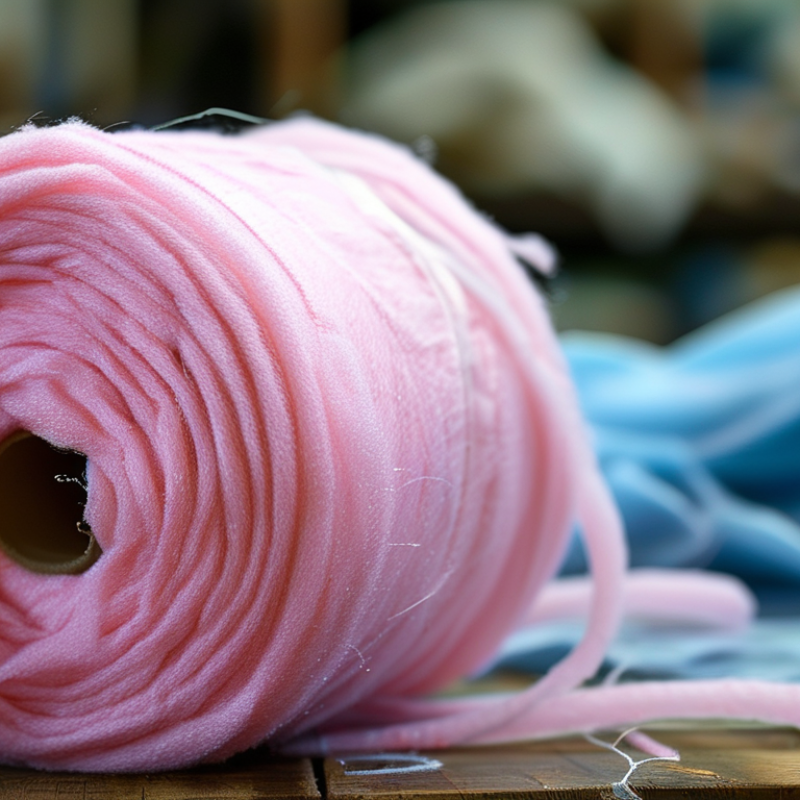
Polypropylene microfibers are gaining attention for their unique properties and benefits.
These fibers are incredibly fine, often measuring less than one denier in diameter. Their structure allows them to trap dust and dirt effectively.
This makes them ideal for cleaning and filtration applications. They exhibit excellent resistance to water and chemicals, enhancing their durability in various environments.
One notable aspect is the softness of polypropylene microfibers. This quality makes them suitable for textiles, upholstery, and industrial applications.
However, there are challenges associated with their production. The environmental impact of synthetic fibers is often a concern.
Recycling options for polypropylene are limited, and the overall sustainability of these materials is under scrutiny.
Moreover, the performance of microfibers can vary based on manufacturing techniques. Not all products will meet the same quality standards.
Buyers must seek reliable suppliers who prioritize quality control. This landscape creates a need for informed decision-making in the market.
As the demand for sustainable materials grows, continuous reflection on the production process is crucial.
Global Market Trends for Polypropylene Microfibers in 2026
In 2026, the polypropylene microfiber market is expected to evolve significantly. Buyers will face various trends shaping the landscape. Sustainability remains a vital consideration. Many manufacturers are opting for eco-friendly production methods. This shift responds to consumer demand for greener products.
Market analysis indicates a growing inclination towards versatility in microfiber applications. From cleaning products to textiles, usage is expanding. Durable, lightweight properties make these fibers highly appealing in various sectors. However, the challenge lies in balancing production costs and quality.
Innovation will play a crucial role in 2026. Researchers are exploring improved bonding techniques for better durability. Yet, these advancements may not always come without drawbacks. Material performance could be inconsistent in some conditions. This factor raises questions about reliability. Buyers should remain vigilant and informed. The search for the best polypropylene microfibers requires diligence and foresight.
2026 Global Market Trends for Polypropylene Microfibers
Top Manufacturers of Polypropylene Microfibers and Their Innovations
In the realm of polypropylene microfibers, innovation remains a driving force for manufacturers. Many companies prioritize sustainable production techniques, emphasizing eco-friendly practices. By reducing environmental impact, they create fibers that meet the rising global demand for responsible textiles. This is crucial as consumers increasingly seek eco-conscious products.
Tips: Always check production methods when choosing microfiber products. Sustainable practices should be a priority.
Leading manufacturers are focusing on advanced technologies. They create fibers with unique properties. Some are engineered for superior durability, while others enhance absorption. These innovations contribute to various applications, from cleaning cloths to apparel. However, not every company showcases these advancements effectively. Transparency in product specifications can vary significantly.
Tips: Look for detailed product descriptions before making a purchase. Knowledge of the material is essential.
The continuous evolution of polypropylene microfiber is impressive. Yet, challenges exist. Some products may not deliver on their promises. Consumer reviews can help navigate these options. Prioritize quality over price to ensure satisfaction. Understanding the technological aspects leads to better choices in this dynamic market.
2026 Best Polypropylene Microfibers for Global Buyers
| Manufacturer Location |
Annual Production Capacity (tons) |
Product Innovations |
Market Application |
Sustainability Initiatives |
| Asia |
15000 |
Anti-bacterial properties |
Apparel, home textiles |
Recycled materials usage |
| North America |
12000 |
Enhanced UV protection |
Automotive, filtration |
Zero waste program |
| Europe |
9000 |
Eco-friendly dyeing methods |
Medical, hygiene products |
Carbon footprint reduction |
| South America |
7500 |
Water repellent finish |
Sportswear, outdoor gear |
Biodegradable options |
| Africa |
5000 |
Odor control technology |
Footwear, protective clothing |
Community recycling initiatives |
Applications of Polypropylene Microfibers Across Different Industries
Polypropylene microfibers have garnered significant attention across various industries. Their unique properties make them suitable for many applications. In the textile sector, polypropylene microfibers are used to create soft, durable fabrics. These materials are lightweight and resistant to water, ensuring comfort and practicality in clothing. However, the charm of microfibers also leads to concerns about environmental impacts. Microfiber pollution is a critical issue that demands our attention.
In the automotive industry, these microfibers enhance interior aesthetics and durability. Manufacturers use them for upholstery, carpets, and even insulation. The fibers provide excellent thermal properties while being easy to clean. Yet, reliance on synthetic materials raises questions about sustainability. As consumers become more environmentally conscious, companies must consider alternatives to reduce their ecological footprint.
Meanwhile, in the cleaning sector, polypropylene microfibers excel in capturing dirt and grime. Their absorbent nature allows for effective cleaning with minimal chemical products. This feature appeals to households aiming for a greener lifestyle. Nonetheless, the efficiency of microfibers can be overshadowed by the need for proper disposal methods. Understanding the lifecycle of these products is crucial for minimizing potential harm to our environment.
Environmental Impact and Sustainability of Polypropylene Microfibers
The use of polypropylene microfibers has grown significantly in various industries, especially in textiles and filtration. However, their environmental impact raises concerns. According to the International Union for Conservation of Nature, microfibers contribute to about 35% of primary microplastics in the oceans. This highlights the urgency for sustainable production methods.
Polypropylene is lightweight and durable, but it is not biodegradable. Research suggests that these microfibers can take up to 200 years to decompose. Approximately 500,000 tons of microfibers are released into marine environments annually. This poses a threat to aquatic life and ecosystems. Efforts to mitigate this issue are crucial.
Innovative solutions include recycling polypropylene and developing biodegradable alternatives. The Ellen MacArthur Foundation reports that circular economy practices can reduce microfiber pollution significantly. Advances in technology must be paired with responsible consumer behavior. Awareness and education are key in addressing the environmental consequences of polypropylene microfibers.