How to Choose Hygienic Food Packaging for Global Sourcing?
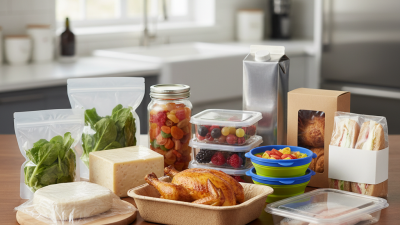
Choosing the right packaging for food is vital in today's global trade. Hygienic Food Packaging plays a crucial role in ensuring product safety and quality. From fresh produce to processed foods, the right packaging can prevent contamination. Businesses must consider materials that are both safe and sustainable.
Consumers are increasingly aware of hygiene standards. They seek products that reflect a commitment to health and safety. Choosing the correct packaging materials is not just about compliance; it reveals a brand's values. However, not all options guarantee hygiene. Some materials may leach harmful substances into food.
Vendors must stay updated on industry trends. Many countries have different regulations regarding food packaging. This adds complexity to global sourcing decisions. Reflecting on the significance of hygienic food packaging is essential for success. Making informed choices can lead to better outcomes in safety and sustainability.
Understanding Global Food Packaging Standards and Regulations
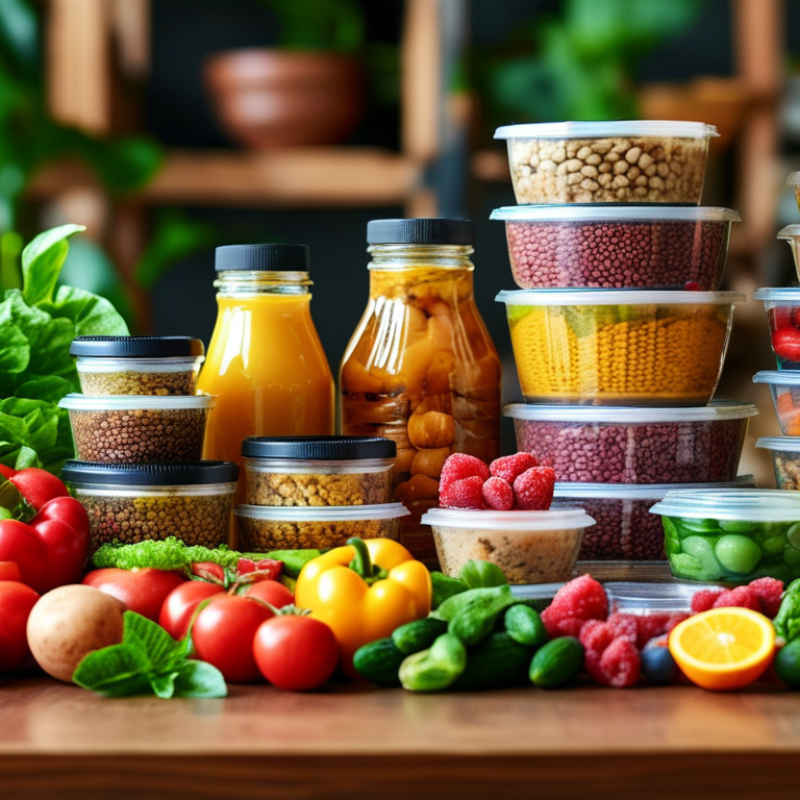
Understanding global food packaging standards is crucial for ensuring product safety and compliance. Each region has specific regulations that govern the materials and processes used in food packaging. According to the Global Packaging Survey, over 70% of companies emphasize the importance of adhering to local food safety laws. This highlights the critical nature of being well-informed about regional differences.
Different countries may have varying standards for materials like plastics, paper, and metals. For instance, the EU has strict regulations on Bisphenol A (BPA) in food contact materials. Non-compliance can lead to penalties. Companies need to regularly consult the Codex Alimentarius and local authorities to stay updated. This proactive approach can safeguard your products and bolster consumer trust.
Tips: Evaluate your supply chain partners for their compliance records. Regular audits can reveal gaps in adherence to safety regulations.
Consider how packaging design impacts compliance. Innovative materials might meet regulations but can also create unexpected challenges. Seek feedback from industry experts on best practices. Your vigilance in following food packaging standards will lead to a more resilient global sourcing strategy.
Evaluating Materials for Hygiene and Safety in Food Packaging
When selecting food packaging, hygiene and safety are critical factors. Materials must prevent contamination and protect food integrity. Studies show that over 60% of foodborne illnesses stem from improper packaging. Therefore, understanding packaging materials is essential for global sourcing.
Consider materials like polyethylene and polypropylene. These thermoplastics are widely used for their resistance to moisture and chemicals. However, not all plastics are suitable for all food types. Research suggests that certain additives in plastic can migrate into food, causing potential health risks. Evaluating the specifics of each material is key.
Tips for ensuring safe packaging:
- Conduct thorough material audits.
- Seek certifications like FDA approval for safety.
- Regularly review new findings on material safety.
While reusable and biodegradable options are gaining popularity, their effectiveness is still debated. Some may not be as durable or hygienic as traditional materials. It’s vital to balance sustainability with safety to ensure you're making the best choice for consumers.
Impact of Packaging Design on Food Contamination Risks
Food safety is a critical concern in the global sourcing landscape. Packaging design plays a significant role in preventing food contamination. According to a report by the Food Packaging Association, about 48% of foodborne illnesses are linked to packaging failures. This highlights the importance of selecting the right materials. It is essential to consider factors such as barrier properties and material safety. Some materials may leach harmful substances into food, increasing health risks.
Additionally, the visual elements of packaging can influence consumer perception of safety. A study published in the Journal of Food Science found that packaging featuring clear labeling and seals reduced contamination risks by 35%. However, aesthetics should not compromise functionality. Packaging must protect the food from environmental factors. Inadequate sealing or poor structural integrity can lead to microbial growth. It's essential to reflect on the balance between design and safety.
Moreover, the growing trend towards sustainable packaging presents new challenges. Eco-friendly materials can sometimes lack the durability of traditional options. A 2021 analysis indicated that 25% of biodegradable materials failed to protect food adequately. Producers must critically assess their packaging choices. Selecting hygienic, effective packaging is vital for minimizing contamination risks while supporting sustainability efforts.
Analyzing Consumer Preferences for Hygienic Food Packaging Solutions
When sourcing food packaging globally, understanding consumer preferences is key. Today's consumers are increasingly aware of hygiene. They want packaging that keeps food safe. Eco-friendly materials are also a significant concern. Many consumers prefer biodegradable options. This shows a shift towards sustainability with cleanliness.
Tips for selecting hygienic food packaging include examining material types. Use materials that are non-toxic and resistant to contamination. Consider the ease of opening. Packaging should allow users to access food without risk. Make aesthetics a factor too. Packaging that looks clean enhances perceived hygiene.
In a global market, preferences can vary. Some regions may prioritize durability, while others prefer lightweight solutions. It's essential to research local trends. Understanding these nuances helps in creating products that cater to specific markets. This approach ensures the packaging not only serves its purpose but also resonates with consumers' values.
Cost-Effectiveness of Sustainable Hygienic Food Packaging Options
The choice of hygienic food packaging plays a crucial role in global sourcing. Cost-effectiveness becomes a key factor in adopting sustainable options. According to a 2022 report by Smithers, the sustainable food packaging market could reach $500 billion by 2027. This shift highlights both the environmental and economic benefits. However, the initial investment in biodegradable materials may seem steep for small businesses. The initial cost must be weighed against long-term sustainability and waste reduction.
Research from the Sustainable Packaging Coalition indicates that 67% of consumers prefer products with eco-friendly packaging. This demand correlates with a 10% increase in willingness to pay more for sustainable options. Businesses can leverage this trend to boost their market share while reducing their carbon footprint. Still, the transition to sustainable packaging must account for the complexity of sourcing materials and production processes.
Companies often struggle with finding the right suppliers for these materials. They can face high volatility in raw material costs. Supply chain disruptions also impact the availability of sustainable options. It’s essential to conduct thorough research and cost analysis to ensure feasible solutions. Balancing hygiene requirements and sustainability will lead to better options that meet consumer needs.