How to Choose Sustainable Sanitary Pads for Your Business?
In recent years, the demand for Sustainable Sanitary Pads has surged, reflecting a growing awareness of environmental issues. Research shows that traditional pads contribute significantly to waste, with an estimated 30 billion sanitary products disposed of annually in the U.S. alone. This staggering number highlights the urgent need for eco-friendly alternatives.
Sustainable Sanitary Pads not only reduce waste but also promote better health. Many conventional products contain harmful chemicals that can disrupt hormonal balance and cause irritation. By choosing pads made from organic materials, businesses can support both the planet and women's health. Reports indicate that consumers increasingly prefer brands that prioritize environmental sustainability. This trend underscores the importance of offering products that appeal to eco-conscious customers.
However, making the switch to Sustainable Sanitary Pads is not without challenges. Companies may find it difficult to source high-quality materials that are both effective and environmentally friendly. Additionally, the transition requires careful marketing strategies to educate consumers. Balancing sustainability with affordability can also be a significant hurdle. Despite these challenges, the potential for positive impact on both the environment and consumer health makes it a crucial consideration for businesses today.
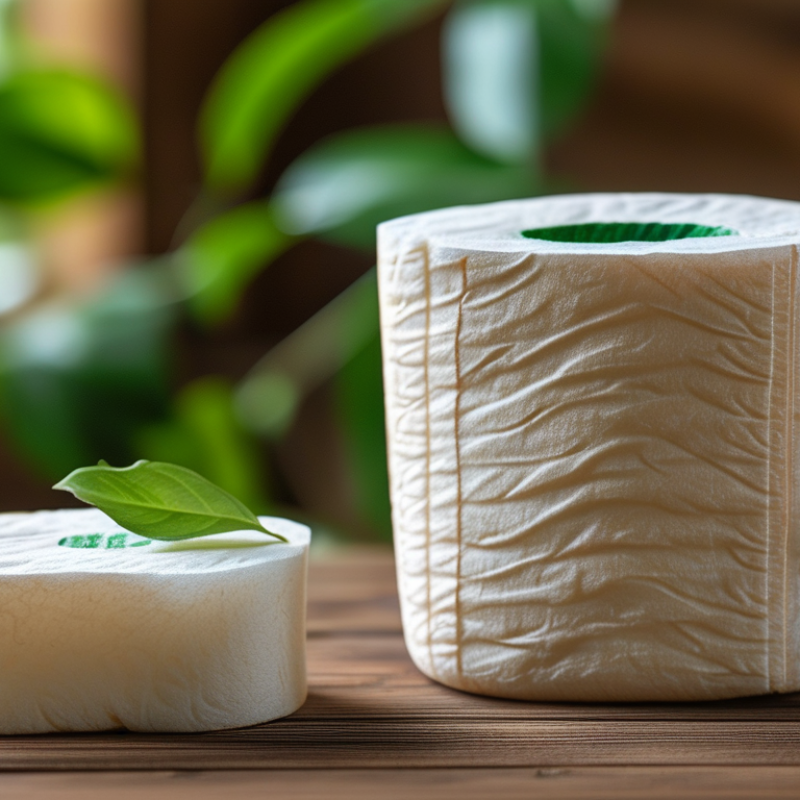
Understanding the Importance of Sustainable Sanitary Pads in Business
Sustainable sanitary pads play a crucial role in our business environment. Not only do they promote health, but they also embody responsible practices. Using eco-friendly products can significantly reduce environmental impact. These products are often made from organic materials that decompose naturally. This is vital in combating the growing landfill crisis. Many traditional pads contain plastics that take years to break down.
Choosing sustainable options reflects a company’s values. It shows a commitment to health and the environment. Employees and customers increasingly prioritize sustainability. By offering eco-conscious products, businesses can attract a broader audience. However, the path to sustainability is not without challenges. Sourcing reliable materials can be tough. It requires research and partnerships with trusted suppliers. Additionally, the cost can be higher initially, which may deter some businesses.
Each step toward sustainability involves reflection and adaptation. Assessing current practices helps identify areas for improvement. Sustainability is an evolving journey, not a one-time choice. For many, the transition might be uncomfortable. Yet, it is essential for future generations. Businesses should continuously evaluate their impact. This approach fosters a responsible, inclusive community.
Understanding the Adoption of Sustainable Sanitary Pads in Business
The chart above illustrates the increasing adoption rate of sustainable sanitary pads in business from 2019 to 2023. The data demonstrates a significant upward trend, highlighting the growing importance of sustainability in the menstrual product industry.
Identifying Eco-Friendly Materials for Sanitary Pad Production
When it comes to producing sustainable sanitary pads, choosing the right materials is crucial. Research shows that approximately 45 billion sanitary pads are used globally each year. This staggering number highlights the need for eco-friendly solutions. Conventional pads often contain plastics, which can take hundreds of years to decompose. In contrast, biodegradable materials like organic cotton and bamboo offer promising alternatives.
Organic cotton, for instance, is grown without harmful pesticides. This not only benefits the environment but also reduces the risk of skin irritation. Studies indicate that up to 33% of women experience discomfort from conventional pad materials. Bamboo, on the other hand, is fast-growing and requires less water, making it an efficient, sustainable resource.
It’s important to note that not all biodegradable options are equal. While some materials may break down in industrial composting facilities, they might not do so in typical landfill conditions. This inconsistency raises questions about their true sustainability. Therefore, businesses should conduct thorough research and collaborate with trusted suppliers. By prioritizing transparency and sustainability, companies can make informed decisions in producing eco-friendly sanitary pads.
Evaluating Certifications and Standards for Sustainable Hygiene Products
When selecting sustainable sanitary pads for your business, the certifications and standards are crucial. Look for products labeled with eco-friendly certifications. These may include GOTS (Global Organic Textile Standard) or OEKO-TEX, which ensure sustainable practices in production. Certification helps in evaluating a product’s environmental impact and safety.
It’s important to know what these certifications mean. For example, GOTS certifies organic fibers but also emphasizes fair labor practices. Products might look similar but differ widely in their eco-friendliness. Sometimes businesses may find it challenging to navigate these certifications. Not every supplier provides clear information. Lack of transparency can lead to choices that don't align with sustainability goals.
Consider also regional standards. Different countries have various regulations on hygiene products. These regulations can impact product availability and impact. Stay informed and question your suppliers about their compliance. Sustainable practices must be verified with reliable information. This ensures that your business supports truly sustainable products.
Assessing Cost Implications and Pricing Strategies for Sustainable Pads
Choosing sustainable sanitary pads for your business entails not only quality but also the financial aspect. It's vital to evaluate the cost implications associated with these products. Sustainable pads often use eco-friendly materials, which can influence production costs. However, opting for these innovative products can position your business as a pioneer in sustainability.
When assessing pricing strategies, transparency is key. Customers appreciate knowing about the materials and manufacturing processes. The initial higher price point may turn some away, but this can be countered by highlighting long-term environmental benefits. Consider bulk purchasing to lower costs or implementing a tiered pricing system that rewards loyal customers while encouraging trial among new users.
Reflection is important here. What costs can be reduced without compromising quality? Are there areas where profits can be reinvested into community initiatives? Balancing sustainability with profitability requires critical evaluation. Businesses must be prepared to adapt strategies as they receive feedback and learn from both the successes and challenges faced in this niche market. Understanding your audience's preferences can lead to more effective pricing and messaging that emphasizes both value and ethical responsibility.
Strategies for Promoting Sustainable Sanitary Pads to Consumers
Promoting sustainable sanitary pads requires understanding consumer motivations. Research shows that around 71% of consumers prefer sustainable products. This trend highlights the growing demand for eco-friendly options. Many people are now looking for products that reduce environmental impact. Businesses can leverage this shift by focusing on the benefits of sustainable sanitary products.
One effective strategy involves educating consumers on the environmental advantages of sustainable choices. For instance, traditional pads contain plastic that takes up to 800 years to decompose. In contrast, eco-friendly pads can be made from biodegradable materials. By highlighting these facts, brands can encourage informed purchasing decisions.
Tips for promotion include using engaging visuals. Infographics about the lifespan of materials can capture attention. Social media platforms are also influential. Sharing testimonials from users emphasizes satisfaction and builds trust. Establishing partnerships with eco-conscious influencers can further extend reach. Remember, engaging consumers in conversation about sustainability fosters a community around shared values. This approach not only drives sales but nurtures long-term loyalty.
How to Choose Sustainable Sanitary Pads for Your Business?
| Criteria |
Description |
Sustainability Feature |
| Materials Used |
Organic cotton, bamboo |
Biodegradable & Non-toxic |
| Production Process |
Eco-friendly manufacturing |
Reduced carbon footprint |
| Certifications |
GOTS, OEKO-TEX |
Verified sustainability standards |
| Packaging |
Recyclable & compostable |
Minimized plastic use |
| Consumer Feedback |
Positive reviews on comfort and effectiveness |
High satisfaction rates |
| Affordability |
Mid-range pricing |
Accessible to consumers |
| Distribution Channels |
Online & Retail |
Wide availability |