Why Choose Hygienic Food Packaging for Global Supply Chain?
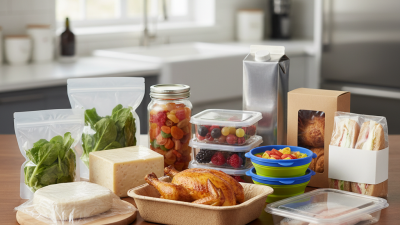
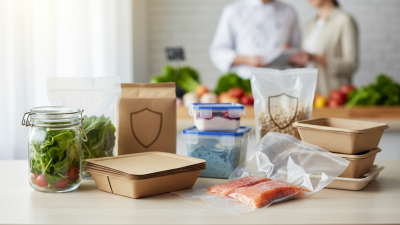
The integrity of food products in the global supply chain is paramount. Consumers demand quality, safety, and hygiene. This places significant emphasis on Hygienic Food Packaging. This form of packaging prevents contamination and protects food from external hazards. It creates a barrier against bacteria and other harmful elements.
Implementing Hygienic Food Packaging is not just a trend; it's essential for businesses aiming for sustainability. The costs of foodborne illnesses can cripple a brand's reputation. Thus, investing in high-standard packaging is a smart decision. Brands must aim for transparency in how their products are packaged.
As more companies recognize the importance of Hygienic Food Packaging, competition increases. However, it's not solely about meeting standards; it’s about exceeding them. Companies can often overlook the finer details. Regular audits and updates are necessary to maintain hygiene standards. Each improvement can build consumer trust and ensure long-term success in the marketplace.
Importance of Hygiene in Food Packaging for Global Trade
Hygienic food packaging plays a vital role in global trade, ensuring products reach consumers safely. As trade flourishes, food items cross various borders, facing diverse conditions. This makes hygiene even more critical. Contamination can occur at any point in the supply chain. Therefore, strict hygiene standards must be maintained in food packaging.
Tips: Always look for signs of damage or poor sealing in food packaging. Even minor imperfections might indicate potential contamination.
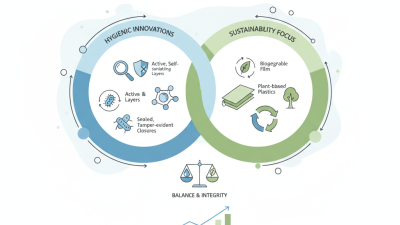
Sustainable materials can enhance hygiene while also supporting the environment. However, it is essential to balance sustainability with effectiveness. Innovating packaging solutions is necessary, yet the focus must remain on maintaining food safety. Frequent assessments and updates to hygiene practices are crucial. Suppliers should train workers in hygiene protocols regularly.
Tips: Implement routine audits on packaging processes. This will help identify gaps and areas for improvement. Regular communication fosters a culture of hygiene awareness.
Why Choose Hygienic Food Packaging for Global Supply Chain? - Importance of Hygiene in Food Packaging for Global Trade
| Dimension |
Importance |
Impact on Supply Chain |
| Material Selection |
Prevents contamination |
Ensures product safety |
| Sealing Technology |
Maintains freshness |
Reduces spoilage rates |
| Regulatory Compliance |
Adheres to safety standards |
Facilitates international trade |
| Traceability |
Identifies sources of contamination |
Enhances product recall efficiency |
| Sustainability |
Minimizes environmental impact |
Improves brand image |
Challenges in Maintaining Food Hygiene Across Supply Chains
Maintaining food hygiene across global supply chains presents significant challenges. One critical issue is the variety of regulatory standards. Different countries impose distinct guidelines. This creates confusion for producers and distributors. They must navigate these regulations to ensure compliance. Failure to adhere can lead to severe consequences, including contamination.
Temperature control is another major concern. Many food products require specific temperature ranges. If not monitored properly, food can spoil. This risk is especially high during long transit periods. The choice of hygienic food packaging can mitigate some of these risks. High-quality packaging can help maintain temperature and protect food from contaminants.
Furthermore, human factors play a crucial role. Employees handling food may not always follow hygiene protocols. Training staff on best practices is essential, yet it's often overlooked. Mistakes can happen, and they can be costly. Investing in better training and accountability measures could significantly enhance hygiene standards throughout the supply chain. This ongoing reflection is necessary for improvement.
Key Features of Hygienic Food Packaging Solutions
Hygienic food packaging is essential for maintaining the safety and quality of food products throughout the global supply chain. Key features of these solutions include materials engineered for maximum protection against contaminants. For instance, a report by Smithers Pira indicates that globally, the demand for hygiene-focused packaging is projected to grow by 4.5% annually through 2025.
One important aspect to consider is the use of barrier properties in packaging materials. These enhance the microbial barrier, preventing spoilage and cross-contamination. A study published by the Journal of Food Science found that properly selected materials could reduce spoilage rates by up to 30%. This speaks to the need for rigorous testing and validation processes.
Tip: When assessing packaging options, prioritize those with verified antimicrobial properties. Additionally, consider the environmental impact of your choices. Not all hygienic solutions are eco-friendly. Balancing hygiene with sustainability can be challenging but necessary.
The transition to hygienic solutions is not without challenges. Some companies may struggle with cost implications or adapting to rapid changes in consumer expectations. A comprehensive understanding of material science is vital for making informed choices. Staying updated with industry standards and innovations helps navigate these complexities effectively.
Benefits of Hygienic Packaging for Food Safety and Quality
Hygienic food packaging plays a crucial role in ensuring food safety and quality. This type of packaging is designed to prevent contamination from bacteria, mold, and other harmful substances. It creates a protective barrier that extends the shelf life of products. For instance, vacuum sealing can significantly reduce spoilage by eliminating exposure to air. This leads to fresher food that retains its nutritional value.
Moreover, hygienic packaging materials are often more resilient. They can withstand different temperatures and environmental conditions during transport. This resilience helps maintain the integrity of the food. However, not all packaging solutions are foolproof. Some materials may still allow for chemical reactions that compromise food quality. It's essential for companies to regularly evaluate their packaging choices. They should assess both safety and effectiveness.
The global supply chain relies on such packaging to meet consumer expectations. While regulations and standards exist, not all players in the supply chain prioritize hygiene. This inconsistency can lead to vulnerabilities. Companies must be proactive in sourcing reliable packaging solutions. Doing so ensures that they uphold their commitment to safety and quality.
Regulations and Standards for Hygienic Food Packaging Worldwide
The global food supply chain relies heavily on hygienic food packaging. This is especially important in today's interconnected marketplace. Regulations differ worldwide, influencing packaging practices significantly. For instance, the European Union has set stringent guidelines under REACH, affecting chemicals in food packaging. Compliance ensures safety and maintains product integrity.
Data from the Food and Agriculture Organization (FAO) indicates that nearly 1 in 10 people fall ill from contaminated food each year. This highlights the critical role of good packaging. Hygienic packaging prevents contamination, extending shelf life and preserving quality. However, not all companies adapt promptly to evolving regulations. Their failure can lead to severe penalties.
In North America, the Food and Drug Administration (FDA) has its own criteria, yet many businesses overlook local regulations. This creates inconsistencies in product safety. Despite established standards, some manufacturers still struggle with compliance. The stakes are high; a single lapse can lead to public health crises.