2026 Top Extra Thick Pads for Bulk Buyers?
Bulk buying Extra Thick Pads is not simply a matter of choosing the highest absorbency. A product that performs well in a small trial may behave differently across a full case. Buyers also need to consider dimensions, core materials, packaging, and consistency between batches. Small details matter. A pad that shifts, bunches, or feels stiff can create complaints, even when its specifications look impressive.
This guide to 2026’s top options for bulk buyers focuses on practical comparisons, not product claims alone. It considers absorbency information, thickness, surface feel, pack counts, storage needs, and supplier communication. Where available, clear specifications and sample testing offer more useful evidence than broad promises. Ask for current product sheets, confirm case dimensions, and test representative samples before placing a large order. That extra step takes time. It can also reveal issues that a catalogue photograph will not show.
There is no single best choice for every facility or purchasing plan. Usage patterns, budgets, and preferred materials vary, and published specifications may not fully reflect day-to-day performance. A careful comparison can narrow the field, but it cannot remove every uncertainty. Use the recommendations as a starting point, then verify fit and quality against your own requirements.

What Extra Thick Pads Are and How They Differ from Standard Pads
Extra thick pads are absorbent hygiene pads built with a deeper or more layered core than standard pads. The added material can create a softer, more cushioned feel and may help manage heavier flow or longer periods between changes. Standard pads are usually slimmer, lighter, and less noticeable under clothing. But “extra thick” has no single industry-wide measurement, so the label alone tells buyers little.
Thickness is only one part of performance. Core composition, absorbent polymer content, and how evenly liquid spreads also affect capacity and leakage protection. A thicker pad can still perform poorly if its core compresses or absorbs unevenly. ISO 9073-2 provides a method for measuring nonwoven thickness, but it does not rate a finished pad’s absorbency. That distinction matters. Grand View Research estimated the global feminine hygiene products market at USD 39.6 billion in 2023; that market figure shows scale, not proof that thicker products work better. Bulk buyers should compare samples for thickness, absorbency, fit, and compression after use. A small detail can be overlooked: feel varies between users, and one test rarely tells the whole story.
Key Materials, Thickness Levels, and Performance Features
Extra-thick absorbent pads are built from several layers, and each affects performance. A soft topsheet helps liquid pass through quickly. The absorbent core may combine fluff pulp with superabsorbent polymer. A waterproof backing helps protect mattresses and other surfaces. Thickness matters, but it does not prove how much liquid a pad can hold. Core weight, material distribution, and sealed edges matter too. A thicker pad can still leak.
For bulk purchasing, compare dimensions, core construction, and absorption results under the same test conditions. Check how quickly liquid spreads and whether the surface feels wet afterward. Look for consistent stitching or sealed edges, depending on the design. Packaging also deserves attention: cartons must protect pads from moisture and arrive in a manageable size. I would not rely on one sample alone. Production batches can vary, and that is easy to overlook.
Tips: Request a specification sheet and samples from more than one batch. Test them on the surface where they will be used, with measured liquid amounts. Check for shifting, edge leaks, and dampness after pressure is applied. Record carton counts and dimensions before comparing prices. The lowest unit cost may not be the best value if pads need frequent replacement.
2026 Top Extra Thick Pads for Bulk Buyers: Thickness Levels & Materials
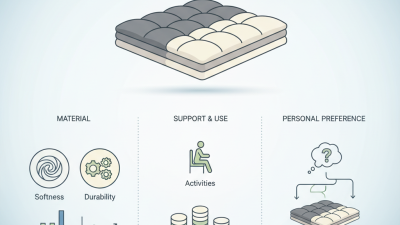
Buyer screening guide: bars show the midpoint of each suggested finished-pad thickness band. These are procurement targets, not a regulated industry standard; verify thickness and performance using supplier samples.
Material and performance: Absorbent cores commonly use cellulose fluff pulp, sometimes combined with superabsorbent polymer (SAP). A nonwoven topsheet and a liquid-resistant backsheet are also common. Assess absorbency, leakage resistance, comfort, and consistency with repeatable sample tests; thickness alone does not predict performance.
Main Extra Thick Pad Types Available to Bulk Buyers in 2026
Main Extra Thick Pad Types Available to Bulk Buyers in 2026
Extra-thick pads are not one standard product. Bulk buyers commonly compare overnight menstrual pads, postpartum pads, and high-absorbency incontinence pads. Overnight styles usually add a longer rear section and wider wings; postpartum pads prioritize soft, broad coverage. Incontinence pads focus on liquid capacity and a dry-feel top layer. Check dimensions and absorbency claims, not thickness alone.
UNFPA estimates that 1.8 billion people menstruate each month, underscoring the scale of menstrual-health needs. But that figure does not show which pad type buyers prefer. Ask suppliers for construction details, absorbency test methods, and samples from the same production specification. A thick core can still leak if the pad shifts or its edges compress. Paper specifications are useful, but they are not the whole story.
Tips: Match each type to its users and setting. Compare overnight pads on bed-length coverage, postpartum pads on softness, and incontinence pads on fluid capacity. Test samples with realistic wear and movement. It takes time. Recheck packaging, batch consistency, and storage conditions before placing a large order.
How to Compare Absorbency, Durability, and Cost
For bulk buyers, absorbency should be measured under consistent conditions, not judged by thickness alone. Request test data for liquid capacity, then compare samples using the same volume, contact time, and pressure. Check whether liquid spreads evenly or pools near the center. A simple bench test can reveal differences, though it cannot fully reproduce daily use. Small details matter.
Durability affects both performance and waste. Inspect the pad after compression and handling: does the backing split, do the edges fray, or does the absorbent core shift? If possible, test samples after stacking and transport, then check for leakage and surface dampness. Ask suppliers how results vary between production batches. One sample is not enough.
Compare cost per usable pad, not just the quoted unit price. Include freight, storage space, packaging, and the cost of damaged or inconsistent units. A lower price may not be a saving if more pads are needed per task. Still, the most expensive option is not automatically better. I would keep a small scorecard and record actual test conditions; otherwise, comparisons get fuzzy fast.
Supplier Checks, Storage Needs, and Bulk Order Planning
When evaluating extra thick pads, ask suppliers for measured thickness, absorbency data, core materials, and packaging dimensions. Request a sample from the same production specification as the bulk order. Check seams, surface feel, and whether the pad stays evenly shaped under light pressure. Small differences matter. A low unit price is less useful if cartons arrive with inconsistent sizing or unclear lot labels. Keep written specifications and confirm acceptable tolerances before approving a purchase.
Plan storage before the shipment leaves. Measure shelves, doorways, and pallet spaces, then compare those figures with carton dimensions. Store cartons in a dry, clean area, away from direct sunlight and damp floors. Leave room for air movement and safe handling. Do not stack beyond the supplier’s guidance; compressed cartons can deform products. It is easy to focus on price and forget warehouse space. That can become an expensive mistake.
For order planning, estimate monthly use from actual issue records, not memory alone. Add a modest buffer for delivery delays, but avoid buying more than the storage area can protect. Confirm lead times, minimum quantities, payment terms, and replacement procedures in writing. Ask whether production dates and lot identifiers appear on cartons. Even a careful forecast misses something. Review the first delivery before scheduling repeat orders, and adjust quantities when real usage differs from the estimate.