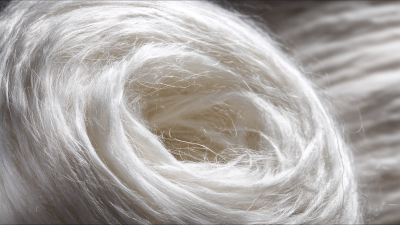

Polypropylene Concrete uses small synthetic fibers to help control early-age cracking and improve the concrete’s resistance to surface damage. These fibers are usually blended throughout the mix, where they can limit the spread of tiny cracks caused by plastic shrinkage. They do not make concrete crack-proof. It is not magic. Their performance depends on the fiber type, dosage, concrete mix, and placement conditions.
Using polypropylene fibers well takes care at each stage. Check the product instructions before adding fibers, since recommended dosages and mixing procedures vary. Add them in a way that supports even dispersion, and watch for clumps as the mix turns in the drum. A shovel or mixer can reveal problems that are easy to miss at first glance. Small details matter. Fibers may affect workability, so avoid adding extra water without considering its effect on the mix. Proper placement, finishing, and curing remain essential.
This guide explains how to select fibers, introduce them into concrete, and check the finished mix. It also considers common issues, including uneven distribution and reduced ease of finishing. On site, results are not always dramatic, and expectations can run ahead of the evidence. Polypropylene fibers are not a substitute for reinforcement or engineering design where those are required. For structural applications, consult a qualified professional and follow the project specifications. A careful trial mix can help reveal practical limits before work begins.
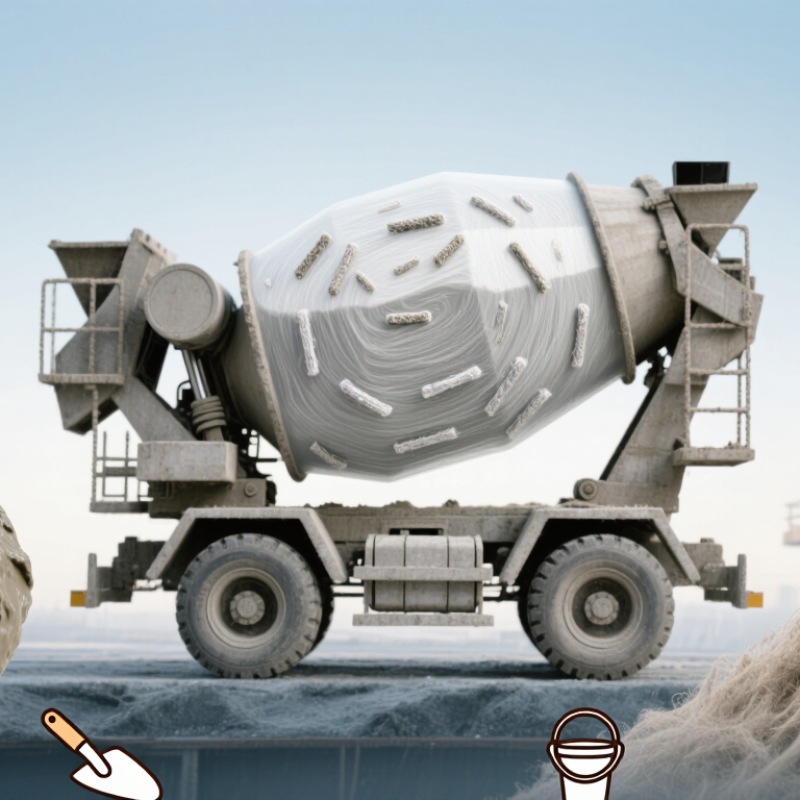
Polypropylene fibers are fine polymer strands mixed throughout concrete. They help limit the width of early cracks caused by plastic shrinkage, especially while a slab is drying. ACI Committee 544’s State-of-the-Art Report on Fiber-Reinforced Concrete, ACI 544.1R-96 (reapproved 2009), describes synthetic fibers as crack-control reinforcement. They do not replace steel reinforcement or correct poor curing. Small, not magical.
The report discusses micro-synthetic fiber contents around 0.1% by concrete volume as a practical reference. With polypropylene density near 910 kg/m³, that equals about 0.9 kg of fiber per cubic metre. Treat this as a starting point, not a universal recipe. Fiber length, mix proportions, finishing, and placement can change performance. ASTM C1116/C1116M also sets requirements for fiber-reinforced concrete, underscoring the need to specify the fiber type and intended use. Trial batches matter. Honestly, fibers can make fresh concrete harder to finish if mixing and dosage are not managed.
Tips
Add fibers gradually into the mixer to reduce clumping. Check the surface during finishing; visible fibers may need extra attention. Record the dosage and mixing time, then assess cracking after curing.
Select polypropylene fiber by the crack risk and performance target, not by habit. Fine fibrillated or monofilament fibers suit plastic-shrinkage control in slabs, screeds, and thin sections. ACI Committee 544’s State-of-the-Art Report, ACI 544.1R-96 (reapproved 2009), describes synthetic-fiber contents commonly around 0.1–0.3% of concrete volume for crack-control applications. At this level, fibers can help limit early cracking, but they do not replace reinforcing steel or sound curing. Small changes matter.
For a trial batch, convert the chosen volume fraction into kilograms per cubic metre using the fiber’s stated density, then check the mix’s workability and finish. Dense fiber balls around the mixer blades signal poor dispersion; adding water is not a reliable fix. Macro polypropylene fibers are used where post-crack toughness is needed, but dosage should follow the required residual performance, not a generic rule. ASTM C1609/C1609M provides a test method for measuring the flexural performance of fiber-reinforced concrete. The awkward part: more fiber is not automatically better. Confirm dosage with representative trial batches, especially when pumping, finishing, or placing thin sections.
Prepare the concrete mix before opening the fiber package. Confirm the batch size and the fiber’s specified dosage; products can differ. Some instructions give a quantity per cubic metre, while others use a different basis. Measure the amount with a suitable scale or calibrated container, rather than estimating by handfuls. Small errors can matter in a small batch. Keep the fibers dry and check that the package is intact. Follow the product instructions and project mix design, especially when adding fibers to a specified concrete blend.
Add the fibers gradually while the mixer is turning, using the recommended sequence for the mix. A sudden dump can create clumps that are difficult to break apart. Allow the mixer to run for the specified time, then inspect a small sample for even distribution. Look for loose bundles or areas with unusually visible fibers. It takes patience. If the mix becomes harder to place, do not add water casually; that can change the designed proportions. Check the approved mix guidance instead. Wear gloves and eye protection, and avoid touching wet concrete with bare skin.
Polypropylene fibers work best when they are spread through the mix, not dropped in as one dense handful. Check the product guidance and batch size before measuring. Fiber quantity depends on the mix and intended use. Small trial batches help reveal how the concrete handles before a full pour.
Add fibers gradually while the mixer is turning. If they enter too quickly, they may form small balls that are hard to break apart. Keep the specified mixing sequence and time consistent across batches. Watch the concrete closely. A uniform mix should show fibers distributed throughout, rather than gathering at the surface or around the drum. Don’t add extra water just to make a fiber mix easier to place; adjust the mix only through an approved design change. That temptation is real.
A quick check can help: take a small sample and look for clumps, dry pockets, or uneven fiber concentration. If you find them, pause and review the addition rate and mixing action. Longer mixing is not always the answer, since it can affect workability. Finishing may also feel different, so test the surface with the tools and timing planned for the job. Polypropylene fibers can help control plastic-shrinkage cracking, but they do not replace structural reinforcement where the design requires it. Some batches still behave unpredictably. Record what worked, including mixing time and weather, and refine the process with a qualified concrete professional.
These are example dosage scenarios, not universal specifications: fiber type, concrete mix, and project requirements affect the appropriate amount. Add fibers gradually to the moving mix rather than dumping them in one pile, then mix until evenly dispersed. Follow the fiber supplier’s instructions and the project mix design.
When placing polypropylene fiber-reinforced concrete, keep the mix moving steadily and avoid adding water to make it easier to handle. Fibers can make the surface look slightly fuzzy, especially near edges. That is normal, but clumps are not. If fibers gather in one spot, pause and check the mixing and placement process rather than trying to hide them later.
Use a shovel or rake gently to distribute the concrete without pulling fibers into ridges. Consolidate around reinforcement and forms as the project requires, but do not over-vibrate; excessive vibration may encourage separation. Screed the surface, then wait until bleed water has disappeared before floating or troweling. The timing can be easy to misjudge. A shiny surface is a warning to wait, not an invitation to finish.
Cure the slab promptly using a method suitable for the project, such as moist curing or an approved curing compound. Protect fresh concrete from rapid drying, wind, and harsh temperature changes. Polypropylene fibers help limit plastic-shrinkage cracking, but they do not replace sound joint planning, proper curing, or structural reinforcement. I would not treat a fiber addition as a shortcut; site conditions and the specified mix still matter.
| Stage | Recommended Practice | Practical Guidance | On-Site Check |
|---|---|---|---|
| Choose the fiber | Select polypropylene microfibers or macrofibers according to the concrete’s intended performance. | Microfibers are commonly used to help control plastic-shrinkage cracking. Macrofibers may be specified for post-crack performance when included in an engineered mix design. Fibers do not automatically replace conventional reinforcement or control joints. | Confirm fiber type, length, dosage, and intended use against the project specifications and the fiber manufacturer’s technical data. |
| Set the dosage | Use the approved mix design rather than estimating the quantity at the job site. | Dosage depends on fiber type, concrete properties, and performance requirements. As a general example, some micro-synthetic fiber mixes use approximately 0.6–0.9 kg/m³; this is not a universal recommendation. | Calculate the required fiber mass from the approved dosage and batch volume. Do not add extra fiber without approval. |
| Batch and mix | Disperse fibers evenly through the concrete, following the specified batching sequence. | Add fibers gradually to avoid clumping. Mixing time and addition method vary by product and batching equipment; use the supplier’s instructions. Do not compensate for a change in workability by adding unapproved water. | Check for visible fiber balls or uneven distribution. If clumping occurs, pause placement and follow the approved corrective procedure. |
| Check workability | Assess fresh concrete using the project’s specified tests and acceptance limits. | Fibers can affect the appearance and handling of the mix, even when the water content is unchanged. Any adjustment should be made through the approved mix design, such as an authorized admixture adjustment. | Record the required fresh-concrete test results, such as slump or slump flow where applicable, along with the batch identification. |
| Place the concrete | Discharge and place continuously using the project’s normal placement methods. | Spread the concrete without excessive dropping, dragging, or rehandling. Plan placement to avoid delays that could create cold joints or allow the surface to dry prematurely. | Look for uniform consistency and distribution. Address segregation or fiber clumping before the concrete is finished. |
| Consolidate | Consolidate adequately with the method specified for the member and mix. | Use internal or external vibration where appropriate. Avoid unnecessary or prolonged vibration, which can contribute to segregation in some mixes. | Check that concrete fills corners and surrounds reinforcement and embedded items without visible voids. |
| Finish the surface | Begin finishing when the concrete is ready and bleed water has disappeared from the surface. | Do not work bleed water back into the concrete or sprinkle water or dry cement on the surface. If fibers are visible, use a suitable finishing sequence and tools rather than adding water or overworking the surface. | Check the surface for standing water, tearing, excessive fiber exposure, and finish quality before proceeding to curing. |
| Cure promptly | Start curing as soon as finishing is complete and the surface can accept the selected curing method. | Use the curing method and duration specified for the project, such as a curing compound or continuous moisture retention. Protect fresh concrete from rapid moisture loss, wind, and temperature extremes. | Verify that curing materials are applied evenly and that the curing period and protection meet the project requirements. |
| Document and inspect | Keep records of the mix, fiber dosage, placement conditions, finishing, and curing. | Inspect the hardened concrete for cracking, surface defects, and any areas requiring evaluation. Fiber reinforcement can help with certain cracking and toughness objectives, but it does not eliminate all cracking. | Compare results with the project’s acceptance criteria and report any deviations to the responsible engineer. |
Important: Use the approved project mix design and product-specific instructions. Fiber selection and dosage should be verified for the intended application; structural fiber use requires appropriate engineering design.